Context
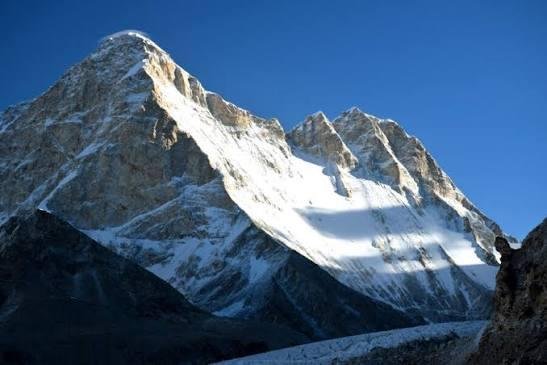
A rare Red-Headed Vulture (Sarcogyps calvus) was spotted in October 2026 at an altitude of approximately 2,650 metres in the Patalthod forests of Munsiyari, Pithoragarh district, Uttarakhand.
About Red-Headed Vulture
- Scientific Name: Sarcogyps calvus.
- Other Names: Asian King Vulture, Indian Black Vulture and Pondicherry Vulture.
- Family: Accipitridae.
- Type: Old World vulture and scavenging bird of prey.
- Habitat: Open countryside, cultivated areas, dry and semi-desert regions, deciduous forests, foothills, river valleys and mountainous areas.
- Distribution: Mainly found in the Indian subcontinent, with populations in parts of Southeast Asia.
- Nature: It is generally a resident bird rather than a long-distance migratory species.
Physical Features
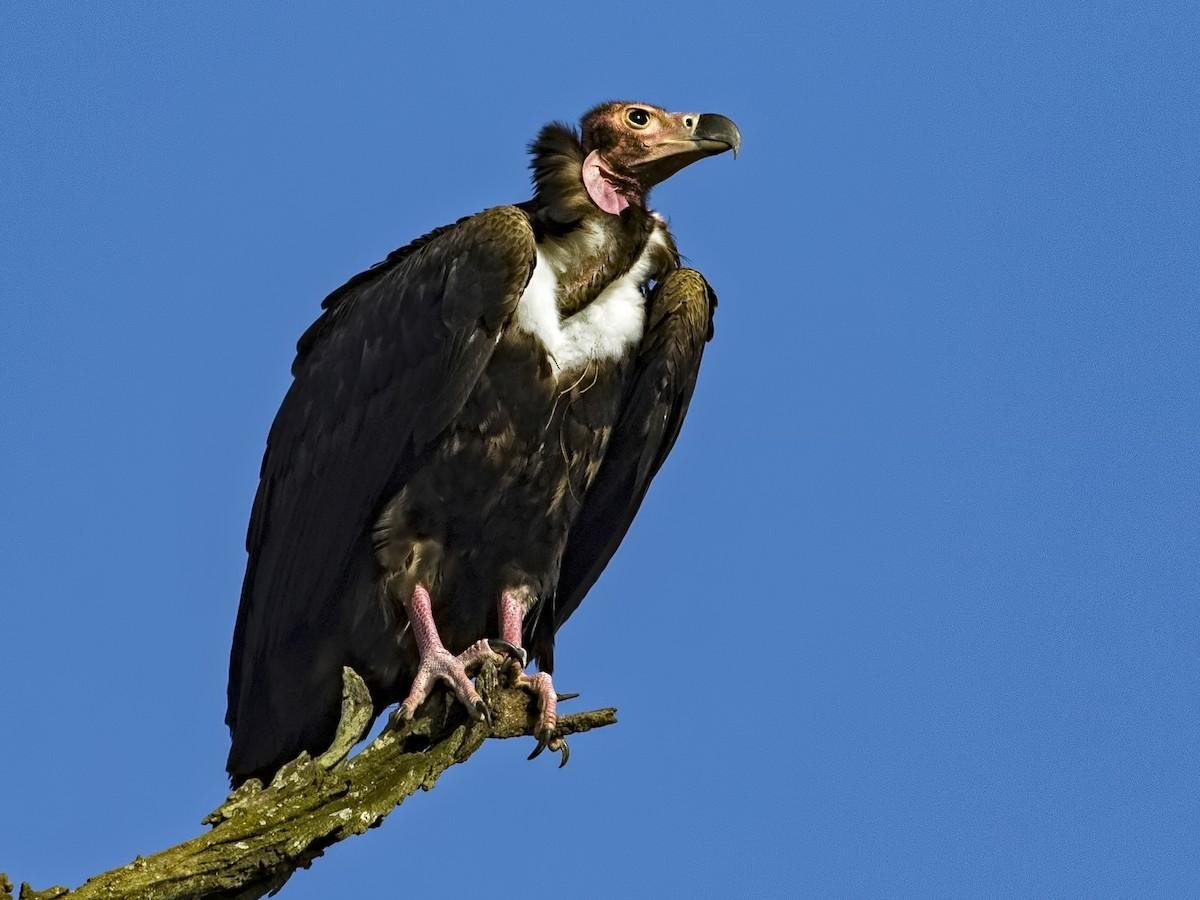
- Appearance: Has predominantly dark plumage, a bare reddish head and neck, and a strong hooked bill.
- Distinctive Feature: Loose folds of skin are present along the sides of the neck.
- Size: A medium-sized vulture with a wingspan of approximately 2–2.6 metres.
Food Habits and Ecological Importance
- Diet: Feeds mainly on carcasses of dead animals, locating food primarily through sight.
- Role in Ecosystems: Removes animal remains, helps recycle nutrients and reduces the accumulation of decaying carcasses.
- Breeding: Generally a solitary nester, building its nest in trees.
Threats and Conservation Status
- Major Threats: Poisoning from veterinary drugs, including diclofenac and other toxic non-steroidal anti-inflammatory drugs (NSAIDs), reduced food availability, habitat changes and disturbance.
- IUCN Red List: Critically Endangered (CR).
- Wild Life (Protection) Act, 1972: Schedule I.
Frequently Asked Questions (FAQs)
Q1. What is the Red-Headed Vulture?
The Red-Headed Vulture (Sarcogyps calvus), also called the Asian King Vulture, is an Old World scavenging bird of prey belonging to the family Accipitridae.
Q2. What is the conservation status of the Red-Headed Vulture?
It is classified as Critically Endangered (CR) on the IUCN Red List and is listed under Schedule I of the Wild Life (Protection) Act, 1972.
Q3. What are the major threats to the Red-Headed Vulture?
Major threats include poisoning from veterinary drugs such as diclofenac and other toxic NSAIDs, reduced food availability, habitat changes and human disturbance.
Q4. What is the ecological importance of the Red-Headed Vulture?
It feeds mainly on animal carcasses, helping remove decaying remains, recycle nutrients and maintain ecosystem health.