Context
In October 2026, many contingency staff, including Project Tiger employees at Namdapha National Park & Tiger Reserve, Arunachal Pradesh, reported non-payment of wages for April–September 2026.
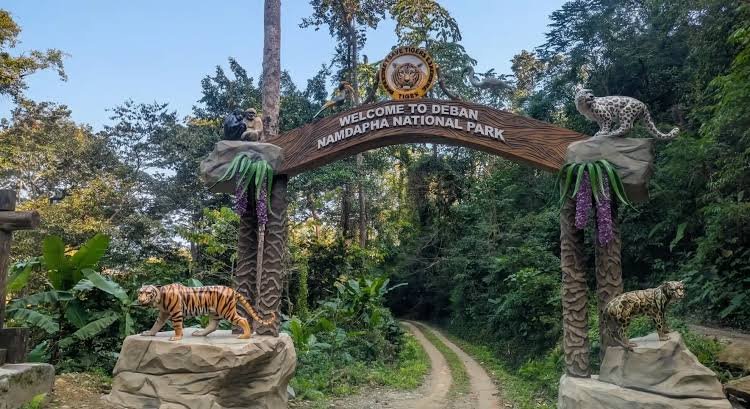
About Namdapha Tiger Reserve
- Location: Changlang district, Arunachal Pradesh, near the Myanmar border.
- Established: Declared a Wildlife Sanctuary in 1972 and a National Park & Tiger Reserve in 1983.
- Area: Approximately 1,985 sq. km, according to the Wildlife Institute of India.
- Name: Derived from the Namdapha River, which originates near Daphabum Peak and flows through the reserve.
- Geographical significance: Lies at the meeting zone of the Indian subcontinent and Indo-China biogeographic regions, contributing to its rich biodiversity.
- Geographical Features
- Terrain: High hills, dense forests, deep valleys and numerous rivers & seasonal streams.
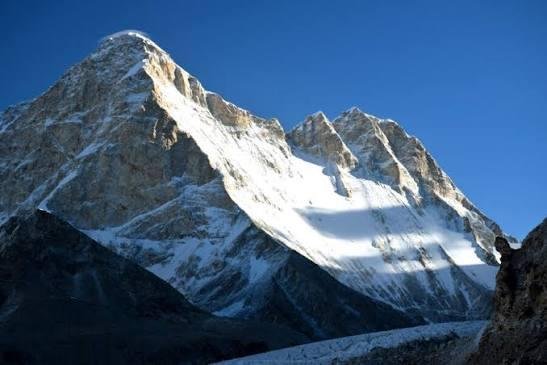
- Altitude: Approximately 200–4,571 metres above sea level.
- River: The Namdapha River flows through the reserve and joins the Noa-Dihing River system.
- Vegetation and Flora
- Forest Types: Tropical evergreen, moist deciduous, subtropical and temperate forests, along with alpine vegetation at higher elevations.
- Major Flora: Hollock, bamboo, cane, wild banana and other tropical forest plants.
- Its wide altitudinal range supports diverse vegetation, from tropical rainforests in lower areas to alpine habitats at higher elevations.
- Fauna
- Four Big Cats: Namdapha is notable for the presence of four wild cat species (Tiger, Leopard, Clouded Leopard and Snow Leopard). These species occupy different habitats and elevations within the wider landscape.
- Other Wildlife: Hoolock gibbon, red panda, Mishmi takin, Asian golden cat, marbled cat and Namdapha flying squirrel.
Ecological Significance
- Biodiversity: Supports exceptional species diversity due to its varied altitude and vegetation.
- Wildlife Conservation: Provides habitat for rare and threatened species, including the tiger, clouded leopard and red panda.
- Forest Protection: Its extensive forests help maintain ecological balance and support regional water systems.
- Conservation Challenge: The reserve’s rugged terrain and remote locations make patrolling, wildlife monitoring and forest protection difficult, increasing the importance of adequately supported frontline staff.
Frequently Asked Questions (FAQs)
Q1. Where is Namdapha Tiger Reserve located?
It is located in Changlang district, Arunachal Pradesh, near the Myanmar border.
Q2. What is the geographical significance of Namdapha Tiger Reserve?
It lies at the meeting zone of the Indian subcontinent and Indo-China biogeographic regions and has an altitude ranging from approximately 200 to 4,571 metres.
Q3. Which four wild cat species are associated with Namdapha?
The reserve is notable for the presence of the tiger, leopard, clouded leopard and snow leopard, occupying different habitats and elevations across the wider landscape.