Context
- The Nanda Devi Biosphere Decadal Monitoring Campaign 2026 found that landslide-prone areas in the reserve’s core zone have nearly doubled over the past decade.
- The survey also identified a new glacial lake forming at around 5,000 metres above sea level, raising concerns about a possible Glacial Lake Outburst Flood (GLOF).
- The assessment used field surveys, satellite imagery and drone data to study changes in the region’s landscape and biodiversity.
About Nanda Devi Biosphere Reserve
- Location: Western Himalayas, Uttarakhand.
- Area: Approximately 6,407 sq. km.
- Established: 1988.
- UNESCO Recognition: Included in UNESCO’s Man and the Biosphere (MAB) Programme’s World Network of Biosphere Reserves in 2004.
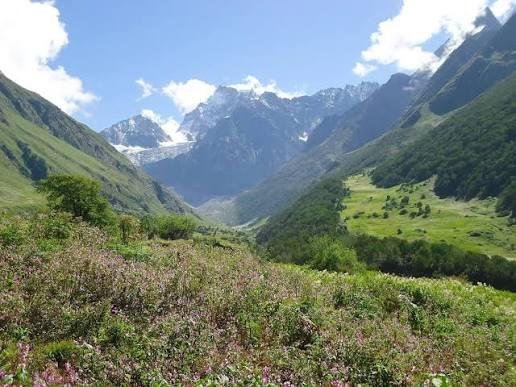
- Core Areas: Nanda Devi National Park and Valley of Flowers National Park, which together form a UNESCO World Heritage property.
- Geographical Features
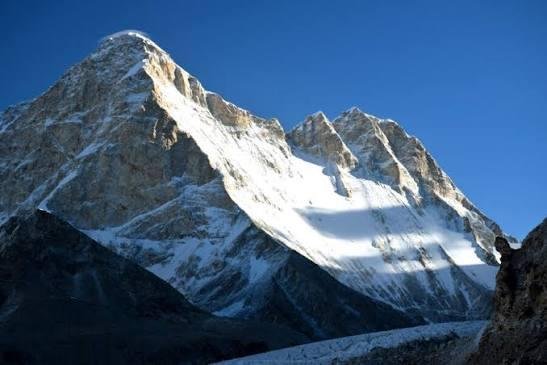
- Altitude: Ranges from approximately 1,800 metres to 7,817 metres.
- Landforms: Rugged mountains, deep gorges, glaciers, alpine meadows & snow-covered peaks.
- Glaciers: Includes Uttari Rishi, Dakshini Rishi, Trisul and Ramani glaciers.
- Rivers: The Rishi Ganga originates within the Nanda Devi region and joins the Dhauli Ganga, which is part of the Alaknanda river system.
- Vegetation and Flora
- Vegetation: Includes temperate forests, sub-alpine vegetation and alpine meadows, locally known as bugyals.
- Major Trees: Oak, deodar, blue pine, fir, spruce and rhododendron.
- Alpine Flora: Supports diverse flowering plants, shrubs and other high-altitude vegetation.
- Fauna: Important wildlife species found in the reserve include Snow Leopard, Himalayan Musk Deer, Himalayan Tahr, Bharal (Blue Sheep), Himalayan Black Bear, Common Leopard and Brown Bear
Ecological Significance and Current Threats
- Biodiversity conservation: Protects rare Himalayan plants and threatened wildlife, including the snow leopard and musk deer.
- Climate change: Rising temperatures and glacier retreat are contributing to changes in the mountain landscape.
- Landslides: Increasing slope instability threatens habitats and downstream settlements.
- GLOF risk: A glacial lake formed behind an unstable moraine may pose a flood risk if its natural barrier fails.
- Monitoring: The 2026 report recommends regular ecological surveys, satellite monitoring of glacial lakes and early-warning systems.
Frequently Asked Questions (FAQs)
Q1. Where is Nanda Devi Biosphere Reserve located?
It is located in the Western Himalayas of Uttarakhand, covering approximately 6,407 sq. km.
Q2. What are the core areas of Nanda Devi Biosphere Reserve?
Its core areas include Nanda Devi National Park and Valley of Flowers National Park, which together form a UNESCO World Heritage property.
Q3. Which major wildlife species are found in the reserve?
Important species include the snow leopard, Himalayan musk deer, Himalayan tahr, bharal (blue sheep), Himalayan black bear, common leopard and brown bear.