Context
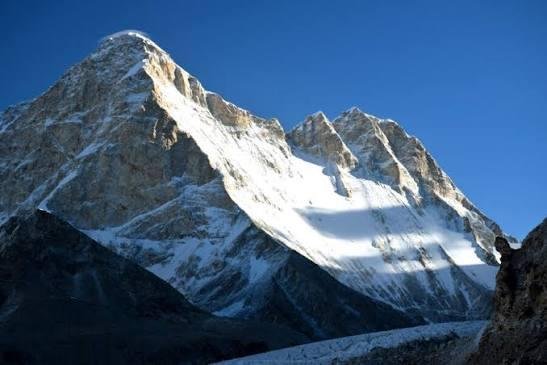
The increasing frequency of mass-wasting events in Tibet due to rising temperatures and seismic activity threatens to trigger flash floods, increase sedimentation and disrupt the Siang–Brahmaputra river system in Northeast India.
What Is Mass Wasting?
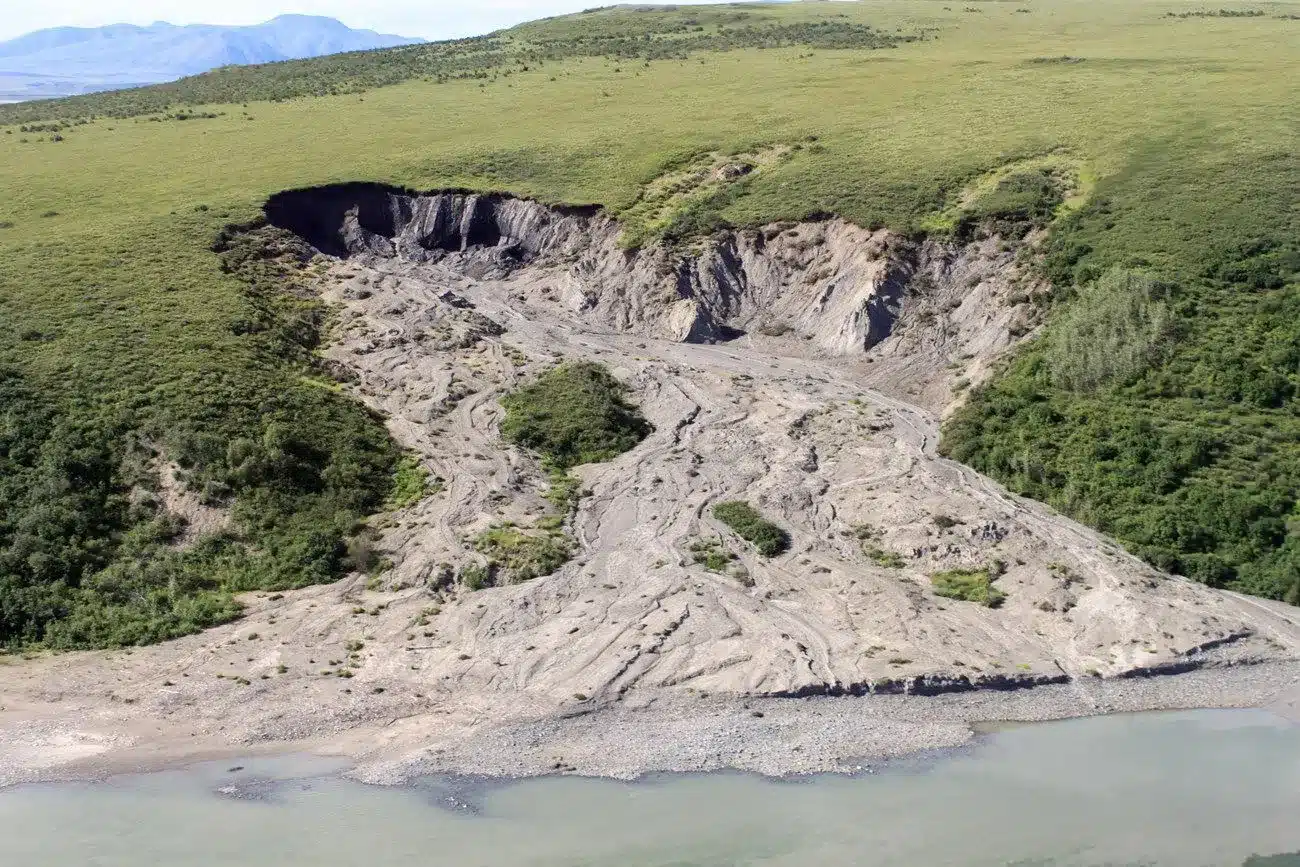
- Mass wasting is the downward movement of rock, soil and other surface materials under the influence of gravity.
- It occurs when the materials on a slope lose stability and move downhill.
- The movement may be slow, such as soil creep, or rapid and destructive, such as a debris flow.
What is Soil Creep?
What Is a Debris Flow?
|
Factors Affecting Mass Wasting
- Mass wasting occurs when the forces pulling materials downhill become greater than the forces holding them in place.
- Slope angle: Steeper slopes are generally less stable because gravity exerts a greater force pulling materials downhill.
- Shear strength: It is the ability of soil or rock to resist sliding. When this strength decreases, the slope becomes more likely to fail.
Causes and Triggers
Mass wasting may be triggered by natural processes or human activities.
- Heavy rainfall: Saturates the soil, increases its weight and reduces friction between particles. It is a common trigger.
- Rapid snowmelt: Adds water to the soil and weakens slope stability.
- Earthquakes: Shake the ground and loosen rocks and soil.
- Volcanic eruptions: Can generate unstable deposits of ash, rock and debris.
- Storm waves: Erode coastal slopes and weaken their foundations.
- Stream erosion: Removes material from the base of slopes.
- Human activities: Road construction, mining, deforestation and excavation can weaken slopes or make them steeper.
Major Types of Mass Wasting
| Type | Meaning |
| Rockfall | Rocks detach from a steep slope or cliff and fall freely or bounce downhill. |
| Slide | A mass of rock or soil moves downhill along a relatively distinct surface. |
| Flow | Soil, rock fragments and water move downhill like a flowing mixture. |
| Creep | Extremely slow downhill movement of soil and rock, often difficult to notice directly. |
| Topple | Rock blocks tilt or rotate forward before falling downhill. |
Frequently Asked Questions (FAQs)
Q1. What is mass wasting, and why is it a concern in Tibet?
Mass wasting is the downslope movement of rock, soil and other materials under gravity. Rising temperatures and seismic activity in Tibet increase the risk of events that may trigger flash floods and disrupt the Siang–Brahmaputra river system.
Q2. What is soil creep?
Soil creep is the extremely slow, gradual downhill movement of soil and weathered rock, often triggered by repeated wetting and drying or freezing and thawing.
Q3. What is a debris flow?
A debris flow is a rapid mixture of water, mud, soil, rocks and other debris moving downhill, commonly triggered by intense rainfall or rapid snowmelt.
Q4. What are the major factors and triggers of mass wasting?
Slope angle and shear strength influence slope stability, while heavy rainfall, snowmelt, earthquakes, volcanic eruptions, erosion and human activities can trigger mass wasting.