Context
- The Bangalore Development Authority (BDA) proposed a 2.28-km short tunnel project near Hebbal Lake in Bengaluru, Karnataka, raising concerns about its impact on the lake and more than 1,000 trees in the surrounding area.
- In October 2026, the National Green Tribunal (NGT) restrained tree-felling along the proposed tunnel project until the case is disposed of.
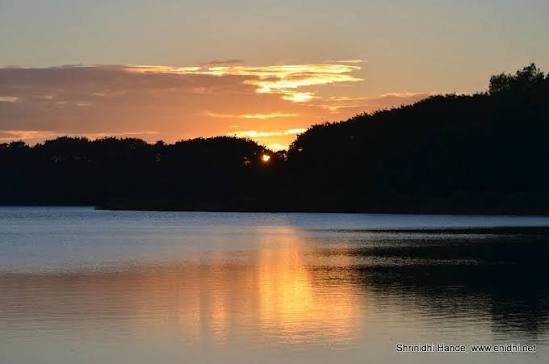
About Hebbal Lake
- Location: Northern Bengaluru, Karnataka.
- Type: Man-made lake and an important urban waterbody.
- Area: Approximately 150 acres.
- It is known for its ecological importance and for supporting several resident and migratory bird species.
History
- Established in 1537: The lake is traditionally attributed to Kempe Gowda, the founder of Bengaluru, and is one of the three lakes associated with him.
- Formation: Like many traditional lakes in Bengaluru, it was created by building bunds (also called an embankment or a levee) across natural valleys to collect and store rainwater.
- Restoration: Pollution, poor maintenance and a lack of public awareness led to its degradation. It was subsequently restored, and two artificial islands were created to support a suitable habitat for wildlife.
Key Features
- Seasonal nature: Water levels generally rise during the monsoon and may decline significantly during summer.
- Ecological importance: The lake provides feeding, resting and breeding habitats for several birds.
- Urban importance: It contributes to rainwater storage, supports local biodiversity and serves as an important wetland within a rapidly growing city.
- Avifauna (Birdlife): Hebbal Lake is home to several resident and migratory birds, including Baillon’s Crake, Crested Serpent Eagle, River Tern, Spot-billed Pelican, Eurasian Spoonbill, Northern Shoveler, Northern Pintail, Little Grebe, Eurasian Coot and Indian Spot-billed Duck.
Environmental Concerns
- Tree loss: The proposed tunnel project has raised concerns about the removal of trees and the loss of green cover.
- Wetland disturbance: Construction could affect the lake’s drainage patterns, groundwater conditions and surrounding habitats.
- Biodiversity loss: Disturbance to vegetation & water quality may affect birds and other wildlife.
- Development versus conservation: The project highlights the challenge of improving urban transport infrastructure while protecting lakes and green spaces.
Way forward: Infrastructure projects near urban wetlands should undergo careful environmental assessment, protect natural drainage systems and minimise damage to trees, biodiversity and lake ecology.
Frequently Asked Questions (FAQs)
Q1. Where is Hebbal Lake located?
Hebbal Lake is a man-made lake in northern Bengaluru, Karnataka, covering approximately 150 acres.
Q2. Who established Hebbal Lake and when?
The lake is traditionally attributed to Kempe Gowda, the founder of Bengaluru, and is believed to have been established in 1537.
Q3. What is the ecological significance of Hebbal Lake?
It supports resident and migratory birds, provides feeding and breeding habitats, stores rainwater and helps conserve urban biodiversity.