Context
- In September 2026, scientists reported that thawing permafrost in Alaska is releasing acids and metals into rivers, turning their water orange.
- The study found that toxic metals can travel long distances downstream, threatening aquatic life and potentially affecting drinking water supplies.
What Is Permafrost?
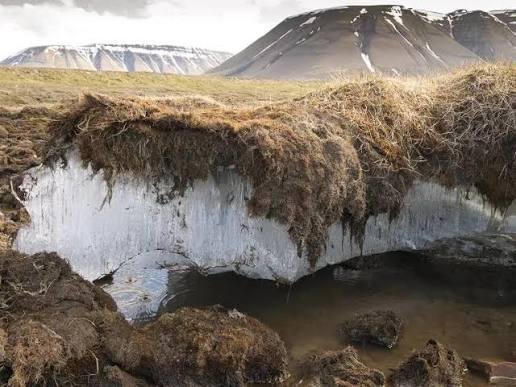
- Permafrost is ground that remains at or below 0°C for at least two consecutive years.
- It may remain frozen for thousands or even hundreds of thousands of years.
- The oldest known permafrost deposits in Siberia have remained frozen for approximately 650,000 years.
Distribution of Permafrost
- Polar regions: Common in the Arctic and Antarctica.
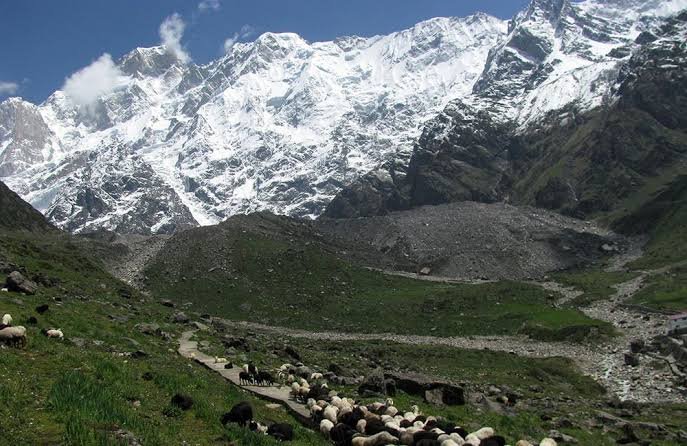
- High mountain regions: Found in high-altitude areas where temperatures remain low.
- Under the ocean: Occurs beneath parts of the ocean floor, particularly in Arctic regions.
- Northern Hemisphere: Underlies nearly one-fourth of its land area.
- Its thickness ranges from around one metre to more than 1,000 metres.
Composition and Structure
- Composition
- Permafrost consists of soil, rocks and sand held together by ice.
- The upper layers may contain large amounts of organic carbon from dead plants that could not decompose fully due to the cold.
- Deeper layers generally contain more mineral-rich soil.
- Active Layer
- The active layer is the upper layer of soil above permafrost that thaws during summer and freezes again in winter.
- Its thickness varies with local climatic conditions.
- Permafrost Thaw
- Permafrost thaw refers to the gradual loss of ground ice as the frozen ground warms.
- Rising temperatures can deepen the active layer and expose previously frozen organic matter and minerals.
Impacts of Permafrost Thaw
- Global warming: Decomposition of previously frozen organic matter releases carbon dioxide and methane, further increasing global warming. This creates a positive feedback loop.
- Water pollution: Thawing can expose minerals that release acids and metals, including iron, nickel and zinc, into rivers.
- Orange rivers in Alaska: Natural chemical reactions involving exposed minerals are causing some rivers to turn orange and become more acidic, damaging aquatic habitats.
- Damage to infrastructure: Thawing ground can become unstable, damaging roads, buildings, pipelines and other structures.
- Threat to biodiversity: Changes in water quality and habitat can reduce fish populations and other aquatic organisms.
- Potential health risks: Contaminated water may affect local communities, while thawing could also expose some dormant disease-causing microbes.
Frequently Asked Questions (FAQs)
Q1. What is permafrost?
Permafrost is ground that remains at or below 0°C for at least two consecutive years. It consists of soil, rocks and sand held together by ice.
Q2. Where is permafrost found?
It occurs mainly in the Arctic and Antarctic regions, high-altitude mountain areas and beneath parts of the Arctic ocean floor. It underlies nearly one-fourth of the Northern Hemisphere’s land area.
Q3. What is the active layer of permafrost?
The active layer is the upper soil layer above permafrost that thaws during summer and freezes again in winter. Its thickness depends on local climatic conditions.
Q4. How does permafrost thaw contribute to global warming?
Thawing exposes previously frozen organic matter to decomposition, releasing carbon dioxide and methane. These greenhouse gases further warm the Earth, creating a positive feedback loop.