Context
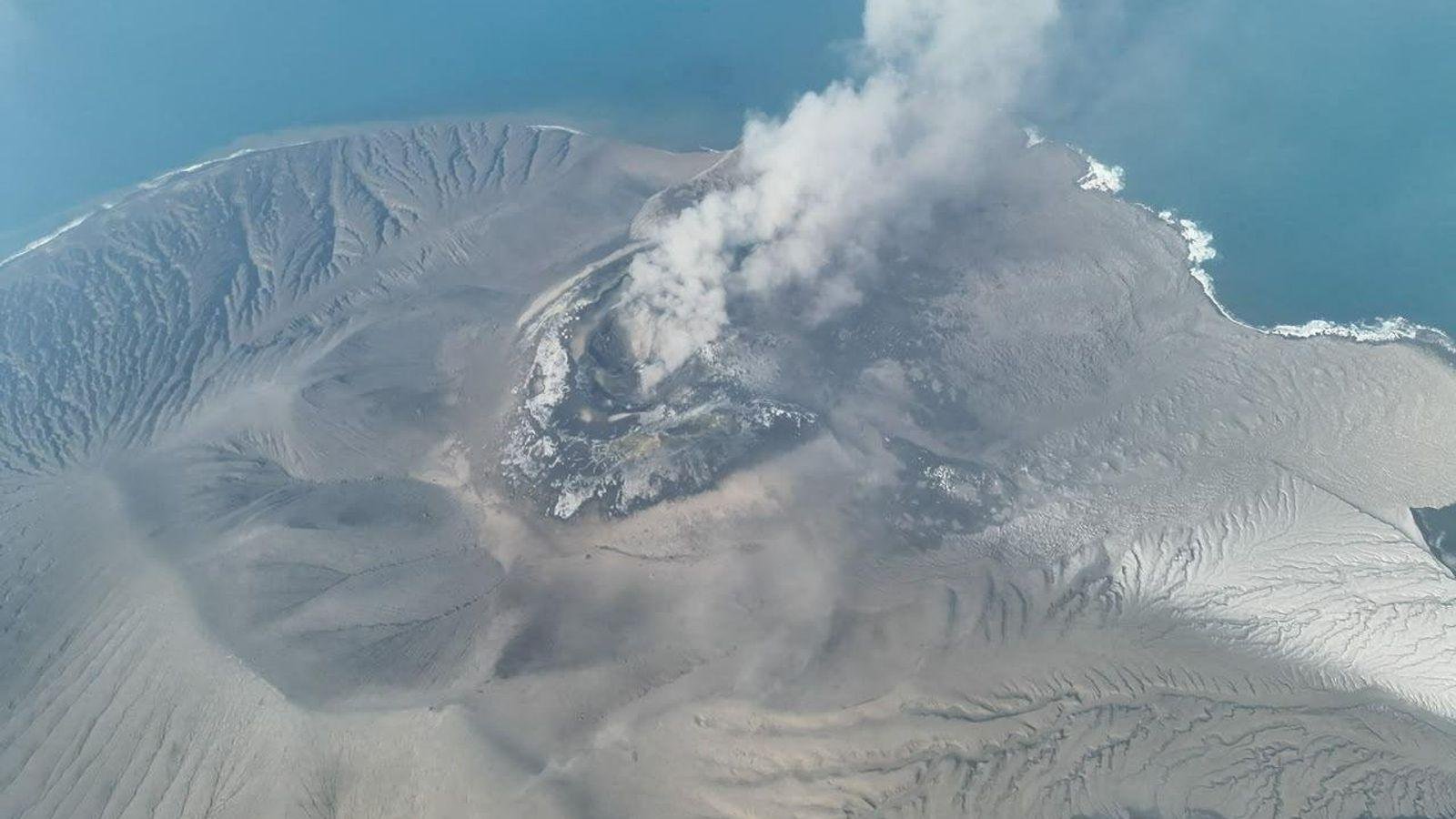
Anak Krakatau erupted in Indonesia in September 2026, releasing volcanic ash that disrupted air travel and affected 1,500+ flights at several airports, including Jakarta’s Soekarno-Hatta International Airport. The eruption highlighted the threat volcanic ash poses to aircraft engines and flight safety.
About Anak Krakatau
- Location: Located in the Sunda Strait, between Java and Sumatra, Indonesia, within the Pacific Ring of Fire.
- Origin: Meaning “Child of Krakatau”, it developed in the 1883 Krakatau caldera and emerged above sea level in the 1920s.
- Activity: It has remained active, with repeated Strombolian eruptions involving intermittent explosions and lava ejection.
Why is Anak Krakatau Significant?
- The 1883 Krakatau eruption caused massive tsunamis and temporary global cooling.
- In 2018, a flank collapse of Anak Krakatau into the sea triggered a tsunami, causing 400+ deaths in Java and Sumatra.
- It shows how volcanic activity can trigger secondary hazards such as landslides and tsunamis.
What is a Stratovolcano?
- A stratovolcano (composite volcano) is a steep, cone-shaped mountain built from alternating layers of lava, volcanic ash and tephra.
- It usually contains thick, silica-rich (viscous) magma, which traps gases and can cause explosive eruptions, producing ash and pyroclastic flows.
- They mainly form at subduction zones along convergent plate boundaries, especially around the Pacific Ring of Fire.
- Examples: Mount Fuji in Japan, Mount St. Helens in US and Mount Vesuvius in Italy.
FAQs
Q1. Where is Anak Krakatau located?
Ans: It is located in the Sunda Strait, between Java and Sumatra in Indonesia.
Q2. What type of volcano is Anak Krakatau?
Ans: It is a stratovolcano (composite volcano) formed through repeated accumulation of lava and volcanic materials.
Q3. Why is Anak Krakatau called the “Child of Krakatau”?
Ans: It developed from the volcanic system associated with the 1883 Krakatau eruption, emerging above the sea in the 1920s.
Q4. What is the Pacific Ring of Fire?
Ans: It is a broad zone around the Pacific Ocean characterised by frequent earthquakes, volcanic activity and tectonic plate boundaries, especially subduction zones.
Q5. Why are stratovolcanoes generally capable of explosive eruptions?
Ans: Their viscous magma restricts the escape of gases. Pressure can therefore build up within the magma, increasing the possibility of explosive eruptions.