Context
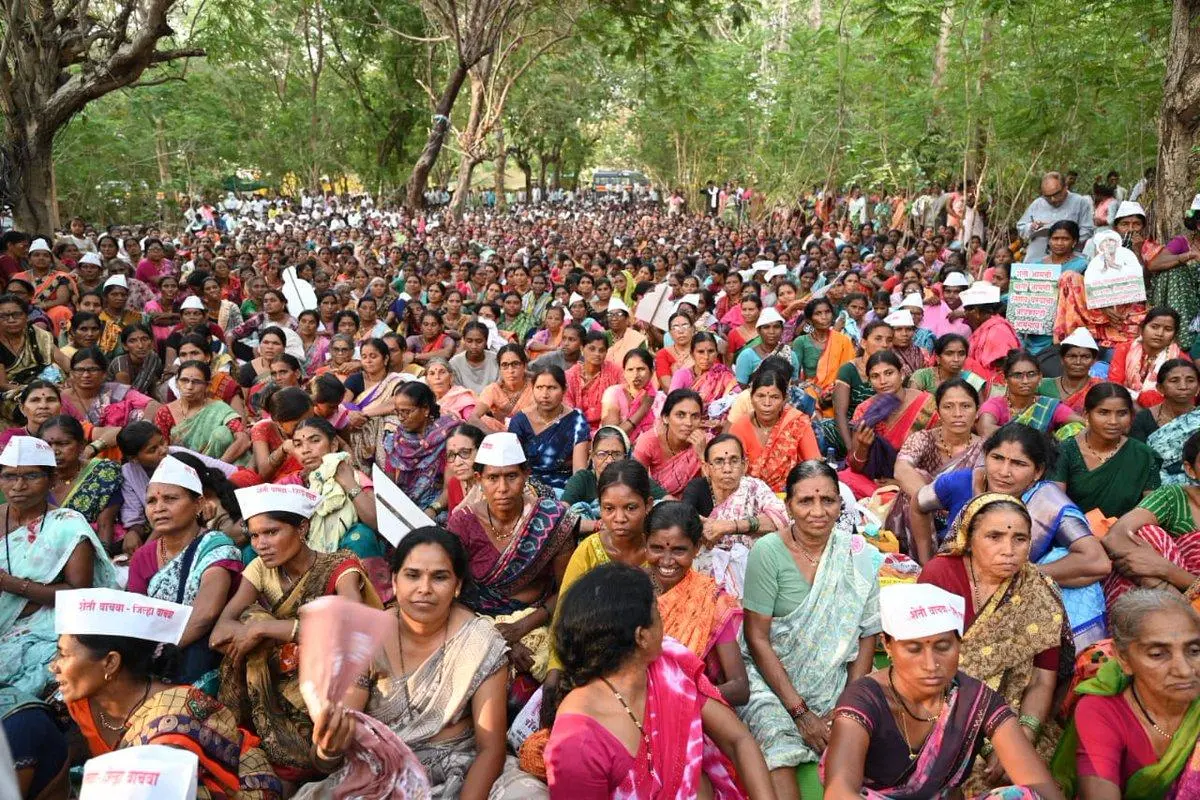
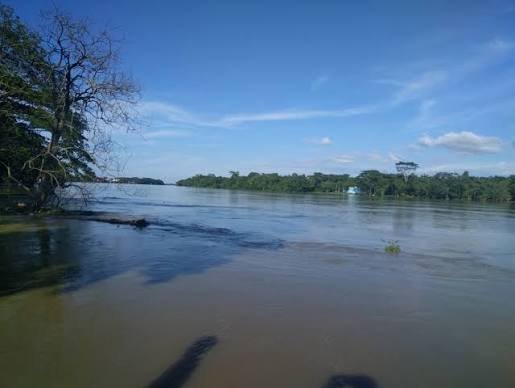
Over 45,000 people in 22 gram panchayats across three blocks of Balasore district, Odisha, were affected after the Subarnarekha River breached its banks. The incident highlights the flood vulnerability of the lower reaches of the river during heavy monsoon rainfall.
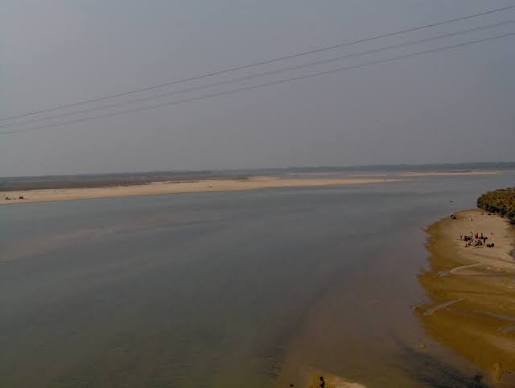
About Subarnarekha River
- Meaning: Subarnarekha means “streak of gold” and is linked to the traditional occurrence of gold particles in parts of its riverbed.
- It is an important east-flowing river of eastern India.
- Origin: It rises near Nagri village in Ranchi district, Jharkhand, at an elevation of about 600 m from where it flows through the mineral rich region of Chotanagpur region.
- Geographical location: The Subarnarekha Basin lies between the Damodar River to the north and the Brahmani and Baitarani rivers to the south.
- It flows through Jharkhand, West Bengal and Odisha before entering the Bay of Bengal.
- Important cities: Ranchi, Jamshedpur, Chaibasa (Jharkhand); Bhadrak, Kirtania port (Odisha)
- The river forms several waterfalls and rapids while descending from the plateau, including Hundru Falls near Ranchi.
- Important tributaries include: Kanchi River, Kharkai, River Karkari River
FAQs
Q1. Which states does the Subarnarekha River flow through?
Ans. It flows through Jharkhand, West Bengal and Odisha before draining into the Bay of Bengal.
Q2. Where does the Subarnarekha River originate?
Ans. It originates near Nagri village in Ranchi district of Jharkhand, in the Chhotanagpur Plateau region.
Q3. Why is the river called Subarnarekha?
Ans. Subarnarekha means “streak of gold”. The name is traditionally associated with the presence of gold particles in parts of its riverbed.
Q4. Where does the Subarnarekha River drain?
Ans. It flows eastward and ultimately drains into the Bay of Bengal near Kirtania in Odisha.
Q5. Between which major river systems is the Subarnarekha Basin located?
Ans. It lies broadly between the Damodar Basin in the north and the Brahmani–Baitarani river systems in the south.