Context
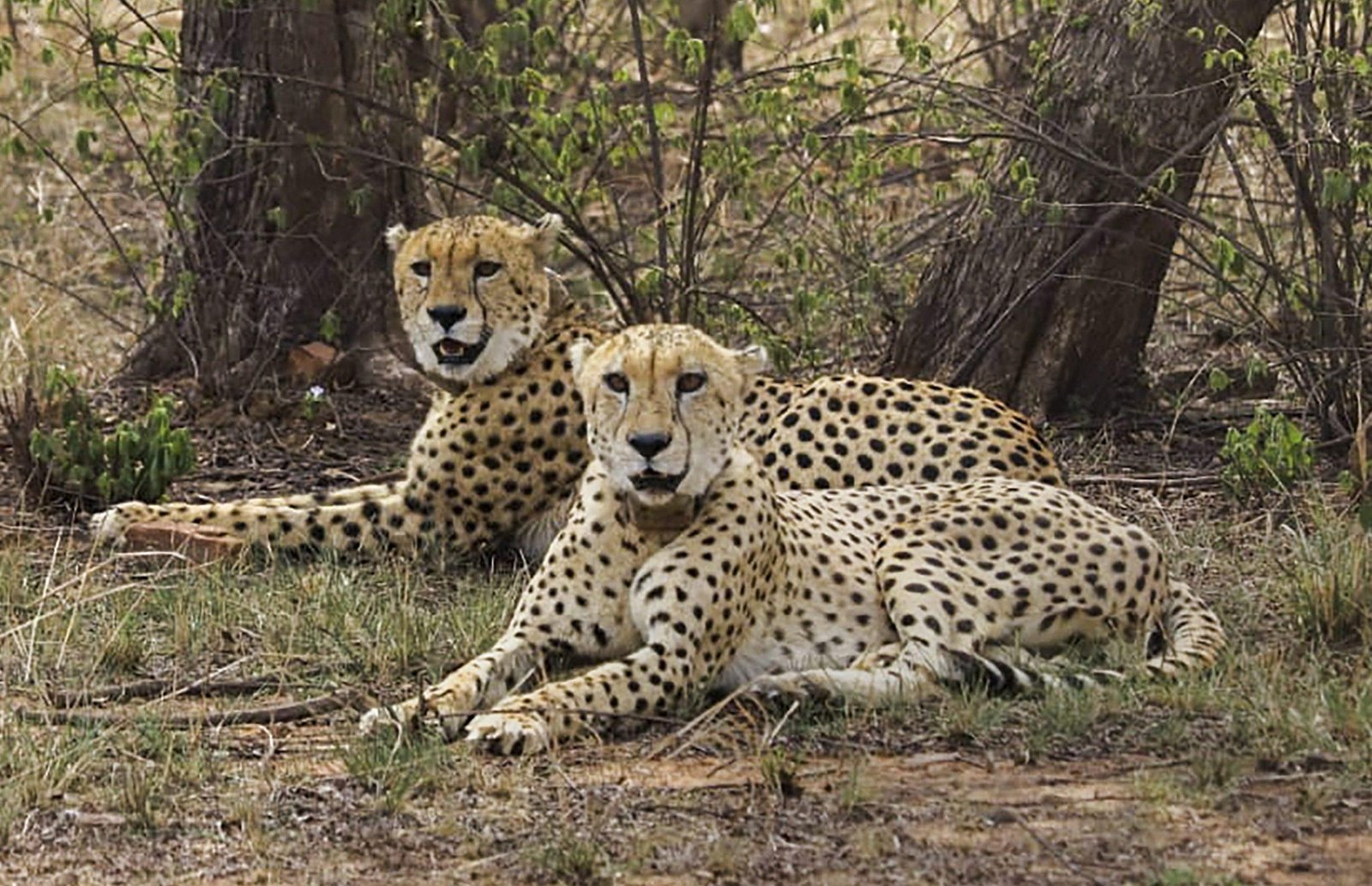
Madhya Pradesh is developing Veerangana Durgavati Tiger Reserve (VDTR), formerly Nauradehi, as its third cheetah habitat, with the first pair of cheetahs planned for release in the reserve.
About Veerangana Durgavati Tiger Reserve
- Location & Area: Spread across Sagar, Damoh and Narsinghpur districts of Madhya Pradesh, covering about 2,339 sq. km in the upper Vindhyan region.
- Composition: Includes parts of Nauradehi Wildlife Sanctuary and Durgavati Wildlife Sanctuary and falls under the Deccan Peninsula biogeographic region.
- Landscape: Comprises plateaus, hills, valleys, grasslands, streams and waterfalls.
- Name: Named after Rani Durgavati, the heroic 16th-century Gond queen.
- Drainage: Extends across the Narmada and Yamuna river basins. The Kopra, Bamner and Bearma rivers, tributaries of the Ken River, are important rivers of the reserve; smaller southern streams drain towards the Narmada.
- Vegetation: Mainly dry deciduous forests, with teak, saja, dhaora, ber and amla as major tree and plant species.
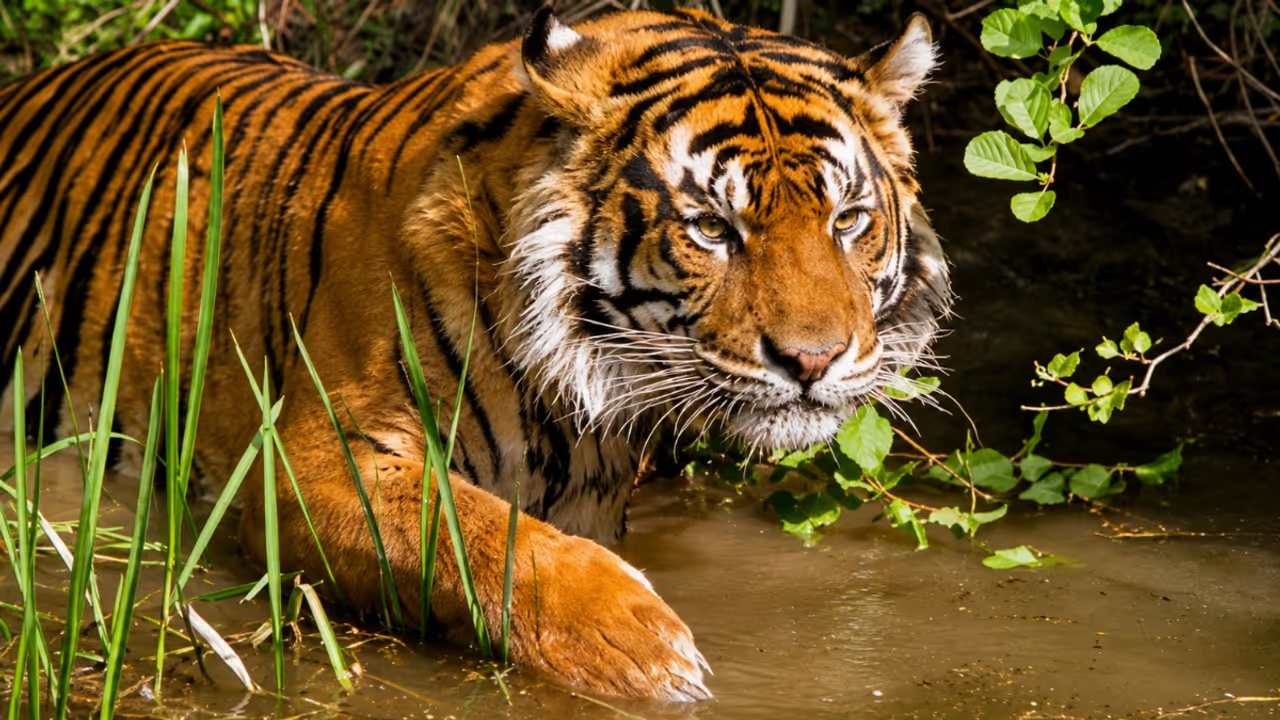
- Fauna: Supports tiger, leopard, wolf, jackal, Indian fox, striped hyena, nilgai, chinkara, chital, sambar, blackbuck and barking deer.
- Threatened Vultures: Provides habitat for White-rumped Vulture and Indian Vulture, both classified as Critically Endangered.
- Heritage: Singorgarh Fort is located within the reserve.
Significance
- Cheetah Conservation: Strengthens India’s cheetah reintroduction programme by adding a new potential habitat.
- Tiger Conservation & Connectivity: Supports tiger dispersal and gene flow by improving ecological connectivity between Panna Tiger Reserve and Bandhavgarh Tiger Reserve.
- Compensatory Habitat: Developed in the context of habitat loss and disrupted tiger movement associated with the Ken–Betwa River Linking Project, which affected parts of Panna Tiger Reserve.
- Biodiversity Conservation: Protects dry deciduous ecosystems and diverse wildlife, including Critically Endangered vulture species.
FAQs
Q1. Where is Veerangana Durgavati Tiger Reserve located?
Ans: It is located in Madhya Pradesh, across Sagar, Damoh and Narsinghpur districts.
Q2. Which wildlife sanctuaries form part of the reserve?
Ans: It includes areas of Nauradehi Wildlife Sanctuary and Durgavati Wildlife Sanctuary.
Q3. What is the area of Veerangana Durgavati Tiger Reserve?
Ans: The reserve covers approximately 2,339 sq. km.
Q4. Which river basins are associated with the reserve?
Ans: The reserve lies across parts of the Narmada and Yamuna river basins.