Context
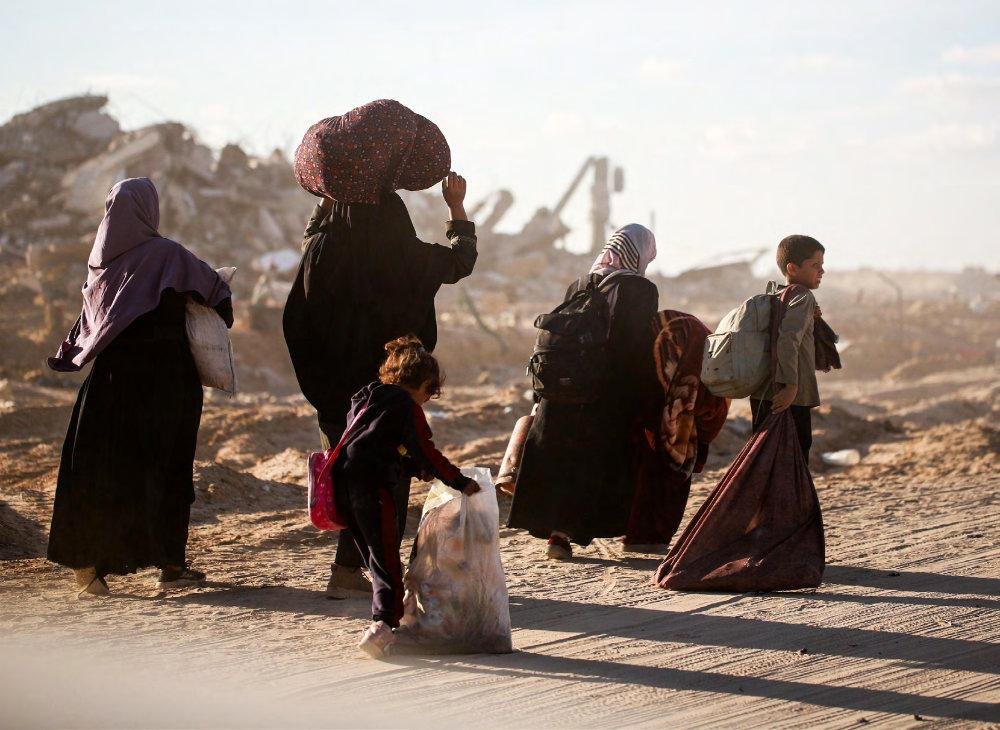
The International Day for Preventing the Exploitation of the Environment in War and Armed Conflict, observed on 6 November, has renewed focus on wartime environmental damage, particularly following UNEP’s September 2025 assessment of Gaza, raising questions about state responsibility and environmental reparations.
Key Findings of UNEP Assessment (September 2025)
- Report & Method: Titled Environmental Impact of the Escalation of Conflict in the Gaza Strip, prepared by UNEP (United Nations Environment Programme) at Palestine’s request using satellite images and UN (United Nations) agency data (without ground access).
- Farm & Food Loss: Damage to 97% of tree crops, 95% of shrubland, and 82% of annual crops, severely hurting food security.
- Water & Sea Pollution: Broken water supply and sewage systems have polluted groundwater and threatened coastal ecosystems.
- Debris & Toxic Soil: Around 78% of buildings were damaged or destroyed, leaving 61 million tonnes of debris possibly containing asbestos and heavy metals.
- Flood & Water Risks: Loss of greenery and packed-down soil block rainwater from refilling groundwater and raise flood risks.
- UNEP Recommendations: Suggested 30 recovery steps, including fixing water and sewage lines, soil testing, safe disposal of unexploded bombs (munitions), and debris recycling.
International Legal Framework
- PERAC (Protection of the Environment in Relation to Armed Conflicts) Principles (2022): 27 non-binding guidelines adopted by the ILC (International Law Commission) and noted by the UNGA (United Nations General Assembly) on 7 December 2022.
- Coverage & Occupation Rules: Environmental protection applies before, during, and after wars, including under military occupation, where the occupying power must protect nature and manage resources sustainably.
- State Responsibility (Principle 9): Countries responsible for unlawful environmental harm must pay full compensation (reparation), including for damage to nature itself.
- ICJ (International Court of Justice) Advisory Opinion (19 July 2024): Reviewed Israel’s policies in the Occupied Palestinian Territory, including natural resource use (legally authoritative, though non-binding).
- ENMOD (Environmental Modification) Convention (1976): Bans using environment-altering techniques as weapons causing widespread, long-lasting, or severe harm.
- Additional Protocol I (1977) to the Geneva Conventions: Articles 35(3) and 55 ban warfare methods causing widespread, long-term, and severe environmental damage (Israel is not a party to it).
- Rome Statute of the ICC (International Criminal Court): Article 8(2)(b)(iv) makes intentional attacks causing excessive environmental harm a war crime (ecocide is not yet a separate ICC crime).
Way Forward
- Nature & Farm Recovery: Restore farmlands, freshwater sources, sewage systems, and damaged ecosystems.
- Toxic Waste Cleanup: Safely clear debris, manage hazardous waste, and clean polluted soil.
- Ground-Level Checks: Conduct independent field surveys once safe access opens to measure exact damage.
- Legal Accountability: Strengthen international laws to enforce environmental protection and war-damage compensation.
- Peace & Global Aid: Achieve a halt in fighting backed by coordinated international funding and technical help for lasting recovery.
FAQs
Q1. When is the International Day for Preventing the Exploitation of the Environment in War and Armed Conflict observed?
Ans. 6 November, established by the UN General Assembly in 2001.
Q2. What are the PERAC principles?
Ans. 27 non-binding draft principles adopted by the ILC in 2022 to protect the environment during armed conflicts.
Q3. What does Principle 9 of PERAC provide?
Ans. States responsible for internationally wrongful acts causing environmental damage must provide full reparation.
Q4. What is the legal status of the ICJ’s 2024 advisory opinion on the Occupied Palestinian Territory?
Ans. Non-binding but legally authoritative, addressing the consequences of occupation, including resource-related practices.
Q5. Which treaty bans using environmental modification as a weapon of war?
Ans. ENMOD Convention (1976), prohibiting hostile use of environmental modification techniques.