Context
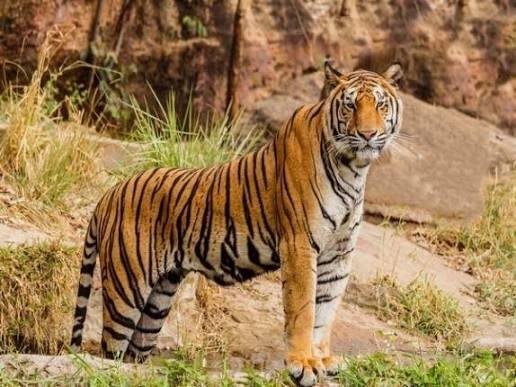
During the festival season, Uparkot Fort in Junagadh, Gujarat, remained closed to visitors for three consecutive days after a leopard was spotted inside the historic premises.
About Uparkot Fort
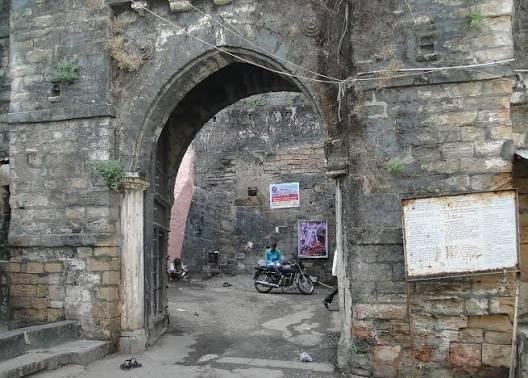
- Location: Uparkot Fort is an ancient fort situated in Junagadh, Gujarat.
- Geographical setting: It lies near the foothills of Girnar Hill, a location that provided natural defensive advantage.
- Antiquity: The fort is traditionally associated with the Mauryan period and with Chandragupta Maurya.
- Long continuity: It remained an important fortified settlement over many centuries and was repeatedly expanded and modified by later rulers.
Historical Importance
- Mauryan association: Tradition links the original fortification to Chandragupta Maurya in the 4th century BCE.
- Repeated sieges: Uparkot is said to have faced several sieges, reflecting its long-standing military and strategic importance.
- Older association: The site is traditionally connected with the name Revath Nagri.
- Layered history: Structures from different periods show how the fort evolved under ancient, medieval and later political powers.
Architectural Features
- Defensive structures: The fort is protected by high walls, gateways and a deep moat, reflecting its military character.
- Buddhist rock-cut caves: The complex contains ancient caves associated with Buddhist monastic activity and rock-cut architecture.
- Jama Masjid: A historic mosque within the complex represents its medieval architectural phase.
- Adi Kadi Vav: A historic stepwell that reflects traditional methods of water storage in a semi-arid region.
- Navghan Kuvo: A deep well carved into the rock, showing sophisticated water-management engineering.
- Historic cannons: Large cannons within the fort indicate its later use as an important defensive centre.
- Nawabi Lake: The fort complex also contains a water body known as Nawabi Lake.
Why Uparkot Fort Matters
- Layered heritage: The fort combines Mauryan associations, Buddhist caves, medieval Islamic structures and traditional water systems, reflecting the long cultural continuity of Junagadh.
- Rock-cut tradition: Its Buddhist caves connect the site with the wider development of rock-cut architecture in western India.
- Water engineering: Stepwells and rock-cut wells demonstrate adaptation to water scarcity and local climatic conditions.
- Strategic geography: Its location near Girnar enhanced defence and control over the surrounding landscape.
- Heritage management: The recent leopard sighting highlights the need to balance tourism, monument conservation and wildlife safety around historic sites.
UPSC-Oriented FAQs
- Where is Uparkot Fort located?
It is located in Junagadh, Gujarat, near Girnar Hill. - Who is traditionally associated with Uparkot Fort?
The fort is traditionally linked with Chandragupta Maurya. - Why are the Buddhist caves of Uparkot important?
They represent the rock-cut Buddhist architectural tradition of western India. - What are Adi Kadi Vav and Navghan Kuvo?
They are historic water-management structures located within the fort complex. - Why is Uparkot Fort important for UPSC?
It combines ancient history, Buddhist heritage, medieval architecture, traditional water engineering and Gujarat’s historical geography.