Context
A recent study highlighted the Soliga tribe of the Biligiri Rangaswamy Temple Wildlife Sanctuary (BRTWS) as a successful example of community-based conservation.
About Soliga Tribe
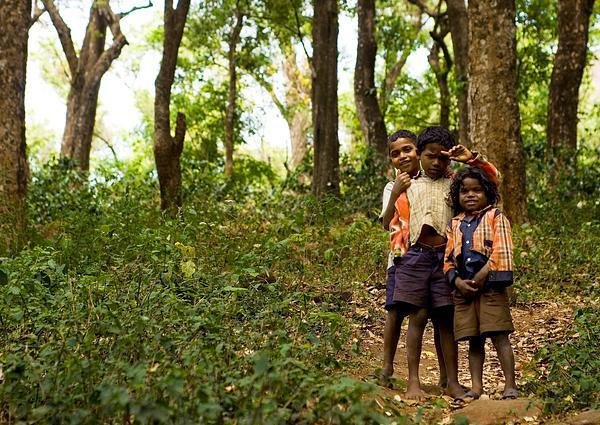
- The Soliga are an indigenous forest-dwelling tribal community primarily found in Karnataka and Tamil Nadu, particularly around the Biligiri Rangana Hills and Male Mahadeshwara Hills.
- The name “Soliga” means “children of bamboo”, reflecting the community’s close cultural and spiritual connection with forests and their belief that they originated from nature.
- In 2011, the Soliga became the first tribal community residing inside a tiger reserve to have their forest rights recognised through a court judgment.
- The community primarily speaks Sholaga, a Dravidian language, and also uses Kannada and Tamil.
- The Soliga traditionally live in single-room bamboo and mud houses and follow a lifestyle based on coexistence with nature. They use indigenous knowledge to make utility items such as the ‘jottai’, a cup crafted from leaves.
- Their religious practices combine Hindu traditions with animism (the belief that natural objects possess spiritual significance) and nature worship.
- Their traditional livelihood is based on shifting cultivation and the collection of minor forest produce.
FAQs
Q1. Why is the Soliga tribe in the news?
Ans: A recent study highlighted the Soliga tribe of the Biligiri Rangaswamy Temple Wildlife Sanctuary (BRTWS) as a successful example of community-based conservation while questioning the effectiveness of the fortress conservation approach.
Q2. Where is the Soliga tribe mainly found?
Ans: The Soliga are primarily found in Karnataka and Tamil Nadu, especially around the Biligiri Rangana Hills and Male Mahadeshwara Hills.
Q3. Why is the 2011 court judgment significant for the Soliga tribe?
Ans: In 2011, the Soliga became the first tribal community residing inside a tiger reserve to receive legal recognition of their forest rights through a court judgment.
Q4. Which language is spoken by the Soliga tribe?
Ans: The Soliga primarily speak Sholaga, a Dravidian language, and also use Kannada and Tamil.
Q5. What are the traditional occupations of the Soliga tribe?
Ans: Their traditional livelihood is based on shifting cultivation and the collection of minor forest produce, reflecting their close dependence on forest resources.
Q6. What are the religious beliefs of the Soliga tribe?
Ans: The Soliga follow Hindu traditions along with animism and nature worship, reflecting their close cultural and spiritual relationship with forests.
Q7. Why is the Soliga tribe important from a conservation perspective?
Ans: The Soliga demonstrate that traditional ecological knowledge, sustainable resource use, and community participation can effectively support biodiversity conservation while safeguarding indigenous livelihoods.