Context
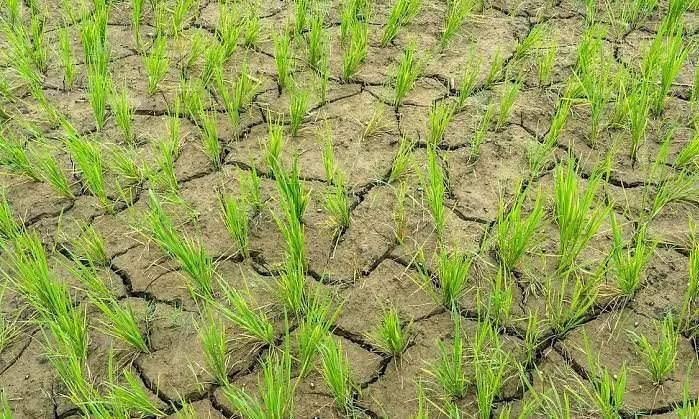
Following a 12.6% rainfall deficit during the 2026 southwest monsoon, the weakest since 2015, and the onset of El Niño, the Centre has prepared rabi crop contingency plans for 225 districts, while ICAR is developing a district-level monitoring dashboard.
Cropping Seasons in India
- Kharif Crops: Sown with the onset of monsoon in June–July and harvested in September–October (e.g., rice, maize, cotton).
- Rabi Crops: Sown in winter during October–November and harvested in March–April (e.g., wheat, gram, mustard).
- Zaid Crops: Short-duration summer crops grown between Rabi and Kharif seasons (e.g., watermelon, cucumber, fodder).
- Monsoon Link: Although grown in winter, Rabi crops depend heavily on leftover soil moisture and reservoir water filled by the Southwest Monsoon.
El Niño and Its Impact on the Indian Monsoon
1. Definition: Periodic warming of the central and eastern equatorial Pacific Ocean, forming the warm phase of ENSO (El Niño–Southern Oscillation).
2. Mechanism: Weakens the Walker Circulation (east–west Pacific wind loop), pulling rain clouds toward the eastern Pacific and weakening the Indian Southwest Monsoon.
3. IMD (India Meteorological Department) Rainfall Categories:
- Below Normal: 90–95% of the LPA (Long Period Average).
- Deficient: Below 90% of LPA.
4. Impact: Raises the risk of rainfall shortfall, drought, water shortage, and farm stress, though impacts vary by region and year.
Why Rabi Crops Are at Risk in 2026
- Overall Rainfall Deficit: India received 759.4 mm of monsoon rain against an LPA of 868.6 mm — a 12.6% deficit (classified as deficient).
- Regional Shortfalls: South Peninsular India received 76% of LPA and East & Northeast India received 74% of LPA, sharply lowering soil moisture.
- Low Reservoir Storage: By late September 2026, southern reservoirs held only about 50% of live capacity, compared with roughly 70% nationally.
- Delayed Sowing: Total Rabi sowing reached about 3.8 million hectares by 30 October 2026, nearly 46% lower than the same time in 2025.
- Most Affected Crops: Rainfed gram, oilseeds, and other winter crops in areas with weak irrigation access.
Government’s Rabi Contingency Plan
- Target Coverage: Covers 225 vulnerable districts identified using rainfall deficit, soil moisture, reservoir levels, and rainfed farming share.
- Seed Supply: Timely distribution of drought-tolerant and low-moisture crop varieties.
- Fertiliser Availability: Ensuring steady fertiliser supply so sowing is not delayed.
- Water Management: Assessing canal/reservoir water and promoting water-saving irrigation.
- Crop Diversification: Shifting farmers from water-heavy wheat to suitable pulses and oilseeds where soil moisture is low.
- ICAR (Indian Council of Agricultural Research) Dynamic Dashboard: Combines IMD weather forecasts, reservoir data, and district farm inputs to issue real-time advisories across all districts (beyond just the 225 districts), updating risk levels regularly.
Why Wheat Is Especially Vulnerable
- Food Security Pillar: Wheat is India’s main Rabi foodgrain and a core pillar of the PDS (Public Distribution System).
- High Irrigation Need: Nearly 95% of wheat area is irrigated, making it directly dependent on reservoir releases and groundwater.
- Key States Affected: Punjab and Rajasthan together hold around 31% of India’s wheat area, and both saw below-normal reservoir levels in September 2026.
- Terminal Heat Stress: Sudden high temperatures during grain filling (February–March) shrink grain weight and cut yields in wheat and gram.
- Food Inflation Risk: Lower output can push up food prices, making government buffer stocks and market tools like OMSS (Open Market Sale Scheme) vital to cool prices.
Way Forward
- Climate-Resilient Seeds: Expand adoption of drought- and heat-tolerant crop varieties.
- Smart Water Use: Scale up micro-irrigation (drip and sprinklers), rainwater harvesting, and groundwater recharge.
- Localised Crop Diversification: Encourage pulses, oilseeds, and millets suited to local soil moisture.
- Better Early Warnings: Strengthen district-level weather forecasts and timely agromet advisories.
- Buffer Stock & Price Management: Maintain strong buffer stocks, assured MSP (Minimum Support Price) procurement, and timely OMSS (Open Market Sale Scheme) releases.
FAQs
Q1. What does the rabi contingency plan cover?
Ans. 225 vulnerable districts, focusing on seeds, fertilisers, water management and crop planning, supported by an ICAR dashboard.
Q2. What is terminal heat stress?
Ans. High temperatures during grain filling, reducing grain weight and yield in crops like wheat and gram.
Q3. Why is wheat vulnerable though mostly irrigated?
Ans. Low reservoir storage and high temperatures during grain filling threaten irrigation availability and crop yields.
Q4. How does El Niño affect the Indian monsoon?
Ans. It weakens the Walker Circulation, shifting rainfall towards the eastern Pacific and often reducing Indian monsoon rainfall.