Context
A recent study in the Journal of Economics and Management Strategy found that the cash shortage following India’s 2016 demonetisation reduced purchases of medicines for acute illnesses, particularly in areas with weaker public healthcare infrastructure.
Background: Demonetisation in India
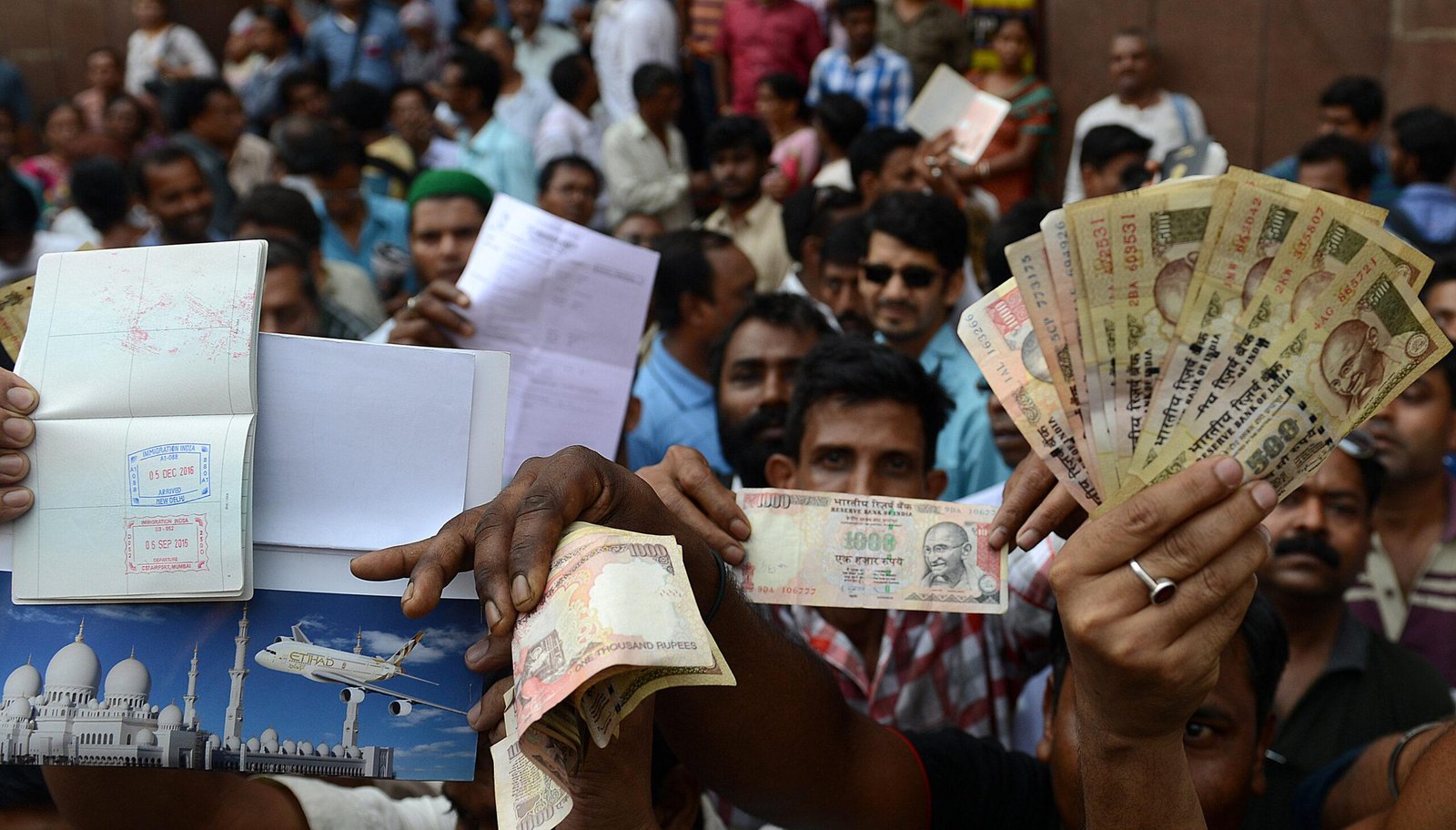
- Date & Action: On 8 November 2016, existing ₹500 and ₹1,000 notes—around 86% of total currency in circulation by value—lost their legal tender status.
- Stated Goals: Curb black money, check counterfeit currency, and promote digital payments.
- Currency Return: About 99.3% of the withdrawn notes came back into the banking system, per RBI (Reserve Bank of India) data.
- Immediate Economic Effect: Caused a sudden liquidity shock (cash shortage) across India’s cash-reliant economy.
Key Findings of the 2026 Study
- Study Scope: Economists Anindya S. Chakrabarti, Chirantan Chatterjee, and Samarth Gupta (November 2026) studied monthly medicine sales from the AIOCD (All India Organisation of Chemists and Druggists) across 805 firms, 31 regions, and 18 illness categories.
- Method Used: Used DiD (Difference-in-Differences) analysis to compare changes in acute vs. chronic medicine sales before and after demonetisation.
- Acute vs. Chronic Medicines:
- Acute Medicines: Treat sudden illnesses (like infections or pain) needing urgent, unplanned purchases where buyers have little time to compare cheaper options (high search costs).
- Chronic Medicines: Treat long-term illnesses (like diabetes or high blood pressure) and are bought regularly every month, letting families plan money ahead.
4. Drop in Acute Medicine Sales: Compared with chronic medicines, acute medicine sales fell by 3.6% in volume and 3.1% in value.
5. Smaller Quantities Bought: Sales dropped because households bought smaller quantities of the same medicines, not because drugs ran out of stock or prices rose.
6. Cash Shortage Confirmed as Cause: Doctor prescription data and disease-outbreak data showed no drop in actual illness—proving cash shortage, not better health, lowered purchases.
7. Public Healthcare Cushion: Districts with more PHCs (Primary Health Centres) saw a much smaller drop in medicine access.
Significance of the Findings
- Cash Access Shapes Health: Where OOPE (Out-of-Pocket Expenditure) on health is high, sudden cash shortages directly block needed treatment.
- Availability vs. Accessibility: Medicines stayed available in shops at steady prices, yet became hard to afford without cash.
- Unequal Regional Impact: Areas with weaker public clinics faced the sharpest drop in medicine access.
- Role of Public Primary Care: Strong public health infrastructure protects poor households during sudden financial shocks.
Limitations of the Study
- No Direct Health Outcome Data: Lower medicine sales show fewer purchases, but do not directly prove higher deaths or worse health recovery.
- Data Scope Limits: Pharmacy sales records track market buying, not family-level treatment choices or long-term health effects.
- Unobserved Informal Care: Sales records do not capture informal/unbilled medical care, home remedies, or sharing of leftover medicines within families.
Policy Lessons and Way Forward
- Upfront Welfare Checks: Assess the social and household costs of big currency or economic steps on essential goods and healthcare before rollout.
- Strengthen Primary Healthcare: Expand PHCs (Primary Health Centres) and free public clinics in underserved areas to cut reliance on cash-based private care.
- Expand Affordable Medicines & Health Cover: Scale up PMBJKs (Pradhan Mantri Bhartiya Janaushadhi Kendras) for cheap generic drugs, alongside AB-PMJAY (Ayushman Bharat–Pradhan Mantri Jan Arogya Yojana).
- Inclusive Digital Payments: Promote UPI (Unified Payments Interface) at pharmacies while closing digital literacy, internet, and banking gaps.
- Crisis Safeguards: Ensure steady drug supply, emergency credit for pharmacies, and temporary payment support during cash crunches.
- Linked Health-Economic Data: Combine household spending, prescription, and health outcome data to judge policy impacts accurately.
FAQs
Q1. What were the objectives of demonetisation?
Ans. To curb black money, counterfeit currency and promote digital payments.
Q2. Why were acute medicines more affected than chronic ones?
Ans. Acute medicines require urgent purchases, while chronic medicine purchases can be planned.
Q3. What role did public health facilities play?
Ans. Regions with more Primary Health Centres (PHCs) experienced smaller declines in medicine purchases.