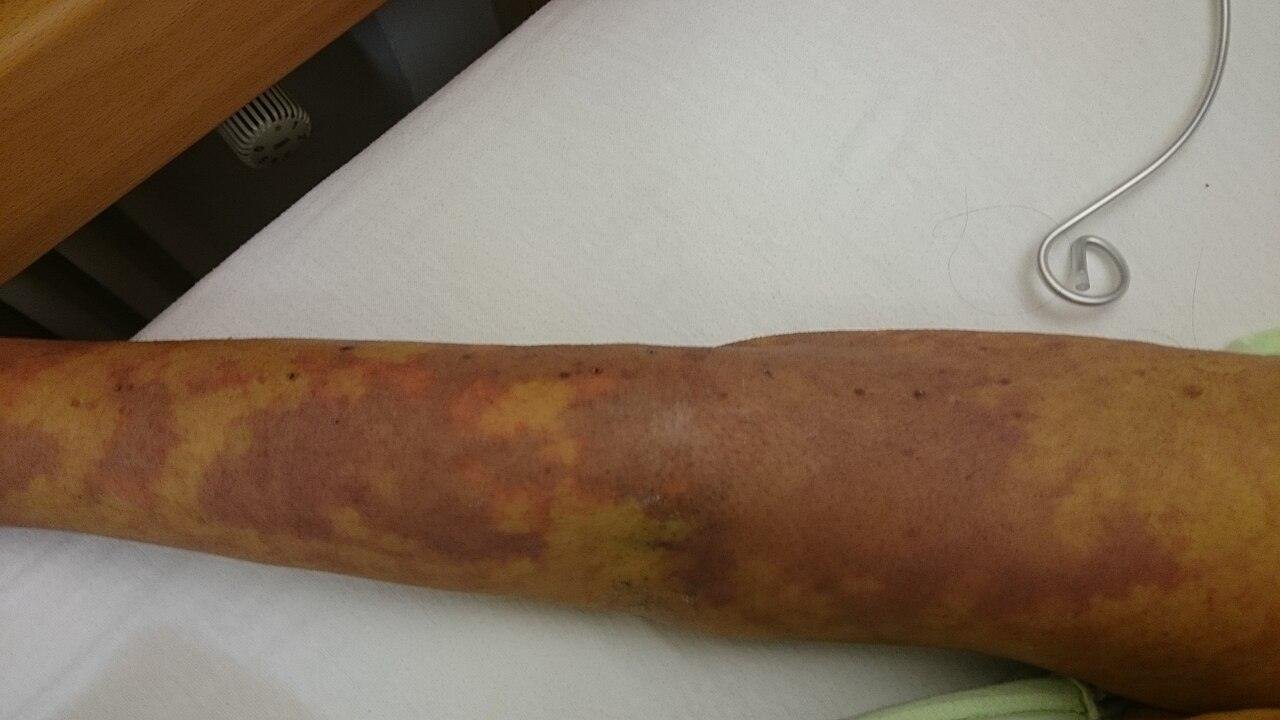
Context
A recent global study has highlighted rising antimicrobial resistance (AMR) in children, which is reducing the effectiveness of important antibiotics used against serious infections such as sepsis and pneumonia.
This is significant because ineffective treatment can allow infection to worsen rapidly, increasing the risk of organ dysfunction, septic shock and death.
What is Sepsis?
- Sepsis: A life-threatening condition in which the body develops an extreme and dysregulated response to an infection, leading to organ dysfunction.
- Instead of fighting only the infection, the immune response begins to damage the body’s own tissues and organs.
- Without timely treatment, sepsis can progress to multiple-organ failure and death.
How Does Sepsis Develop?
Infection → excessive immune response → widespread inflammation and tissue injury → organ dysfunction
- Sepsis usually begins with an infection already present in the body.
- Bacterial infections are the most common cause, but viruses, fungi and parasites can also trigger sepsis.
- Common infection sites include the lungs, urinary tract, abdomen and bloodstream.
- It may also develop from an infected wound or infection after surgery.
Who is at Higher Risk?
Sepsis can affect anyone, but the risk is higher among:
- Infants and young children
- Older persons
- Pregnant women
- People with weakened immunity
- Patients with chronic illnesses, recent surgery or prolonged hospitalisation
Major Symptoms
Common warning signs include:
- Rapid breathing or fast heart rate
- Shortness of breath
- Confusion or disorientation
- Extreme pain or discomfort
- Fever, shivering or feeling unusually cold
- Clammy or sweaty skin
Early symptoms may sometimes appear non-specific, so prompt recognition is important.
What is Septic Shock?
- Septic shock is a severe form of sepsis in which circulation becomes dangerously inadequate and blood pressure may fall significantly.
- This can reduce blood flow to vital organs and increase the risk of multiple-organ failure and death.
Treatment of Sepsis
Sepsis is a medical emergency and requires immediate treatment.
- Antibiotics: Given rapidly when bacterial infection is suspected.
- IV fluids: Help maintain blood circulation and organ perfusion.
- Oxygen support: May be required if breathing is affected.
- Blood-pressure support: Vasopressor medicines may be used when circulation remains inadequate.
- Source control: The underlying infection may require drainage, surgery or removal of infected tissue.
- Organ support: Severe cases may require dialysis or mechanical ventilation.
Why Sepsis Matters
- Rapid progression: Sepsis can worsen within hours, making early diagnosis and treatment critical.
- Child-health concern: Rising drug resistance can reduce effective treatment options in children.
- Health-system burden: Severe cases often require intensive care and prolonged hospitalisation.
- Preventable risk: Vaccination, sanitation, infection control and responsible antibiotic use can reduce the likelihood of sepsis.
Sepsis and Antimicrobial Resistance
- AMR makes bacterial sepsis harder to treat because commonly used antibiotics may no longer work effectively.
- Drug-resistant infection → ineffective initial antibiotic → delayed infection control → greater risk of severe sepsis and complications
- Therefore, antibiotic stewardship, rapid diagnosis and infection prevention are crucial for reducing sepsis-related deaths.
UPSC-Oriented FAQs
- What is sepsis?
A life-threatening condition in which an abnormal immune response to infection causes organ dysfunction. - Can sepsis be caused only by bacteria?
No. It can also be triggered by viral, fungal and parasitic infections. - What is septic shock?
A severe form of sepsis involving dangerously impaired circulation and high risk of organ failure. - Why does AMR make sepsis more dangerous?
Because resistant microbes may not respond to standard antibiotics, delaying effective treatment. - Why is early treatment important?
Because sepsis can progress rapidly and early treatment can reduce organ damage, shock and mortality.