Context
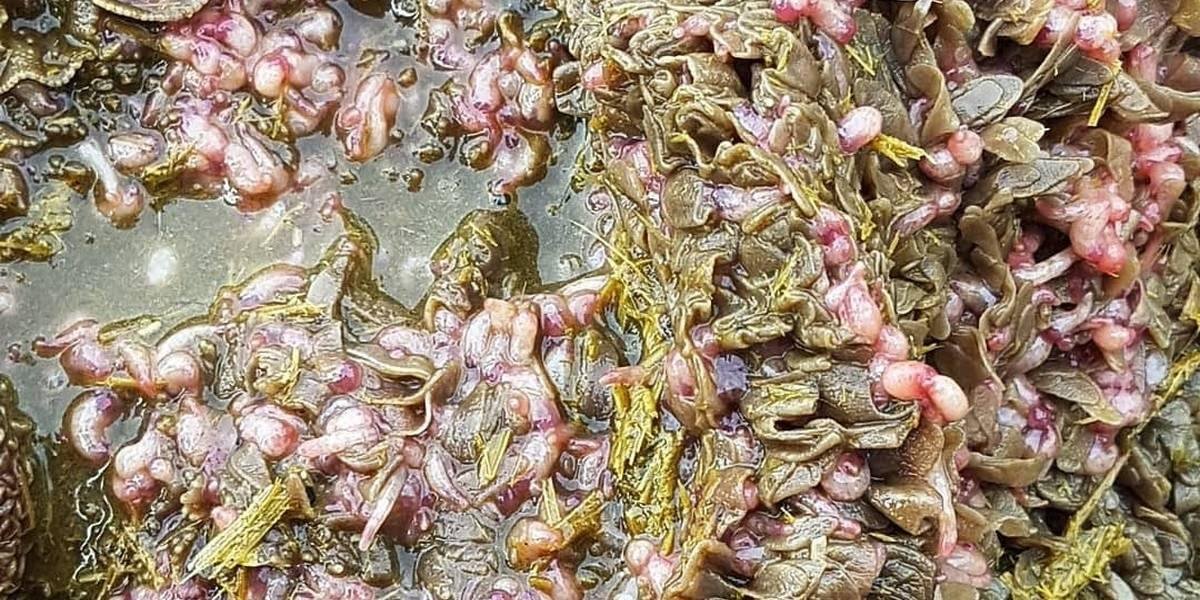
Rumen fluke disease was recently reported from Odisha’s Kendrapada district, where around 70 cattle died due to amphistome infection, locally referred to as ‘Kurmi’.
About Rumen Fluke
- Rumen flukes are parasitic worms that infect ruminants and are found worldwide.
- The infection, known as paramphistomosis, is more prevalent in tropical and subtropical regions.
- Adult parasites inhabit the rumen, while immature larvae damage the small intestine.
- Snails serve as intermediate hosts in the parasite’s life cycle.
- Transmission occurs through consumption of contaminated water or vegetation carrying larval stages.
- Heavy infestation can cause intestinal damage and severe health complications in livestock.
- Major symptoms include diarrhoea, rapid weight loss, reduced milk yield, and swelling below the jaw called “bottle jaw”.
- Infected animals may lose body mass despite normal feeding behaviour.
- Anthelmintic drugs are used for treatment, while proper grazing and pasture management help in disease control.