Context
A three-day river festival is planned near Jorethang, Sikkim, along the Rangeet River, combining catch-and-release fishing, river conservation, adventure tourism and local cultural activities.
About Rangeet River
- Rangeet (Rangit) is an important tributary of the Teesta River, which is the largest river system in Sikkim.
- Origin and Course
- The river rises from a glacier near Mount Kabru in the lower Kanchenjunga region of the Himalayas.
- It originates in West Sikkim and remains perennial, receiving water from snowmelt during summer and monsoon rainfall between June and September.
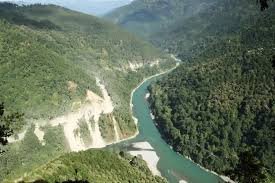
- It flows through places such as Pelling, Legship and Jorethang before meeting the Teesta near Teesta Bazaar.
- Near its lower course, it also forms part of the boundary between Sikkim and Darjeeling district of West Bengal.
- Ecological and Economic Importance
- The river supports cold-water fish, including trout, and provides freshwater and irrigation for nearby communities.
- Its forested banks support the surrounding mountain ecosystem, while some stretches are used for terrace cultivation.
- Its fast-flowing waters make it a popular destination for white-water rafting.
- The river also supports small hydropower projects.
- Rangeet Dam
- The Rangeet Dam, located on the river, became operational in 2000.
- It is a 60 MW hydropower project.
- The dam is a 45-metre-high concrete gravity structure with a length of about 100 metres.
The Rangeet is important not only as a Himalayan river ecosystem, but also for fisheries, agriculture, hydropower and adventure tourism in Sikkim.