Context
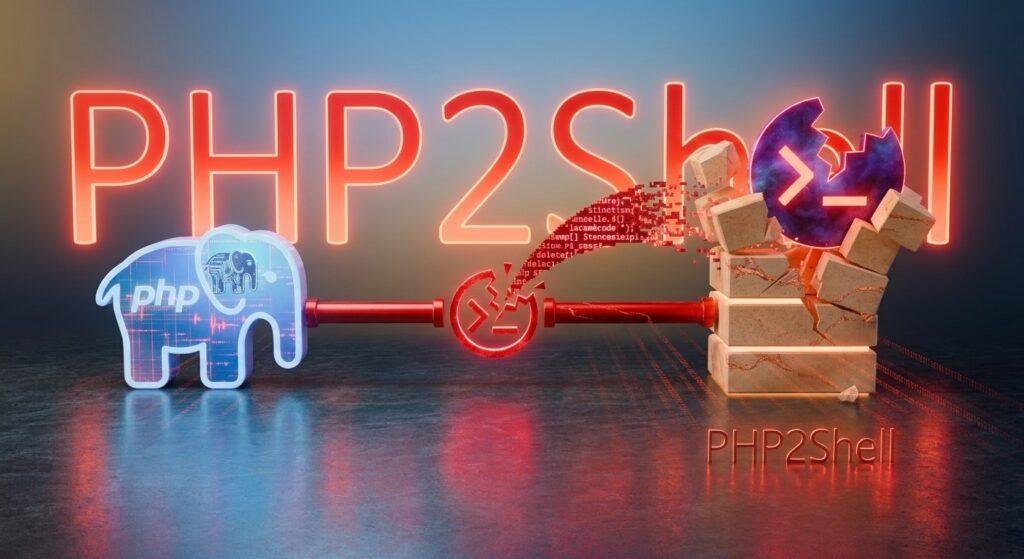
Two critical vulnerabilities in PHP, collectively called PHP2Shell, triggered emergency security updates and precautionary shutdowns of some online services in October 2026. CERT-In and CERT-EU warned that the flaws could enable remote code execution and system compromise.
What is PHP2Shell and Why is it Dangerous?
- PHP (Hypertext Preprocessor) is an open-source, server-side scripting language widely used in web development.
- PHP2Shell refers to two critical vulnerabilities: CVE-2026-109618 and CVE-2026-109619.
- The flaws involve problems in memory handling and internal server state.
- Attackers may exploit vulnerable systems through specially crafted requests without authentication.
- Successful exploitation can allow attackers to run malicious code remotely and compromise the server.
- The risk is significant because PHP is widely used across websites, hosting platforms and third-party applications.
Response and Cybersecurity Lessons
- Immediate patching: Organisations should update affected PHP installations to secure versions.
- Temporary isolation: Where immediate patching is not possible, organisations should consider temporarily isolating vulnerable internet-facing systems.
- CERT-In advisory: India’s cyber agency warned organisations about remote code execution and system compromise.
- Asset visibility: Maintain updated records of software versions and third-party dependencies.
- Patch management: Security updates should be identified, installed and verified quickly.
- Legacy systems: Unsupported software should be upgraded or replaced to reduce long-term cyber risks.
FAQs
Q1. What is PHP?
An open-source server-side scripting language used in web development.
Q2. What does PHP2Shell refer to?
Two critical PHP vulnerabilities: CVE-2026-109618 and CVE-2026-109619.
Q3. What can PHP2Shell allow an attacker to do?
It can enable unauthenticated remote code execution.
Q4. Which Indian agency issued an advisory?
CERT-In.
Q5. What is the main protection against PHP2Shell?
Promptly update affected PHP installations and isolate vulnerable systems when necessary.