Context
Osteoporosis, usually associated with ageing and postmenopausal women, is receiving attention as bone-health concerns and low bone density are increasingly being noticed among younger adults in clinical practice.
What is Osteoporosis?
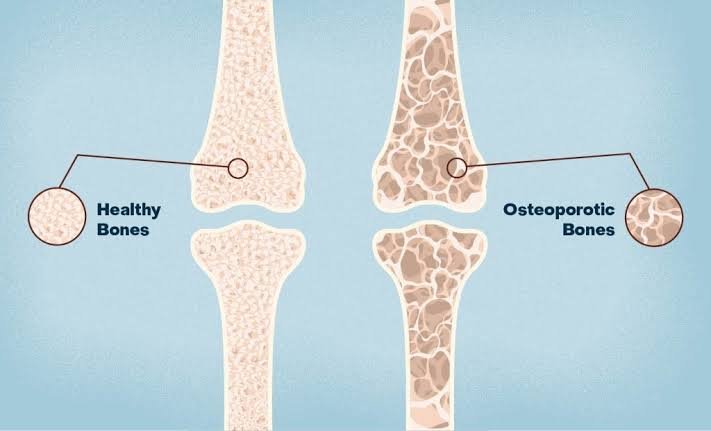
- Osteoporosis is a disease in which bones become weak, less dense and more prone to fractures.
- The term means “porous bone”, referring to weakening of the internal structure of bones.
- Fractures commonly affect the hip, spine and wrist.
How Osteoporosis Develops
- Bone is a living tissue that is continuously renewed through bone remodelling.
- During this process, old bone is broken down and replaced by new bone.
- Osteoporosis develops when bone breakdown exceeds new bone formation, leading to gradual loss of bone mass and strength.
Major Risk Factors
- Risk increases with age, especially after menopause due to lower estrogen levels.
- Other risk factors include family history, low body weight, physical inactivity, inadequate calcium and vitamin D, smoking and excessive alcohol.
- Hormonal disorders and long-term use of glucocorticoid steroids can also increase the risk.
Symptoms and Diagnosis
- Osteoporosis is called a “silent disease” because it often causes no noticeable symptoms until a fracture occurs.
- Later signs may include back pain, gradual loss of height and a stooped posture.
- Fragile bones may fracture after a minor fall or low-impact injury.
- Bone Mineral Density (BMD) is commonly measured using DXA/DEXA, especially at the hip and spine.
- A T-score of –2.5 or lower is a standard diagnostic threshold for osteoporosis in postmenopausal women and men aged 50 years or above.
Prevention and Management
- Adequate intake of calcium and vitamin D supports healthy bones.
- Weight-bearing and muscle-strengthening exercises help preserve bone mass and improve balance.
- Avoiding smoking and excessive alcohol reduces the risk of bone loss and fractures.
- Fall prevention is especially important among older adults.
- Medicines may be prescribed to slow bone loss, promote bone formation or reduce fracture risk.
- Treatment should also address underlying diseases or medicines that contribute to bone loss.
FAQs
Q1. What is osteoporosis?
It is a disease in which bones become weak and more likely to fracture.
Q2. Why is osteoporosis called a silent disease?
Because it usually causes no noticeable symptoms until a fracture occurs.
Q3. Which bones are commonly affected?
The hip, spine and wrist.
Q4. Which test is commonly used to diagnose osteoporosis?
DXA or DEXA, which measures bone mineral density.
Q5. What is the basic mechanism of osteoporosis?
Bone breakdown exceeds new bone formation, leading to loss of bone mass and strength.