Context
- NCERT’s revised Class 9 History content has triggered debate after giving greater emphasis to regional powers, resistance and lesser-known Indian rulers, while reducing or reorganising space given to some European and global-history themes.
What NCERT Changed and Why
- The revised textbook seeks to make medieval history less Delhi-centric and more geographically diverse, highlighting regional political centres alongside major imperial powers.
- Greater visibility is given to the Ahoms, Rajputs, Vijayanagara Empire, Marathas, Sikhs and Jats, along with lesser-known figures and women rulers such as Rani Abbakka.
- The framing increasingly stresses resistance, resilience and regional political assertion, rather than presenting medieval Indian history mainly through Delhi-based dynasties.
- At the same time, some topics associated with European revolutions, the Industrial Revolution, Cold War and Central Islamic Lands have received reduced or altered treatment.
- NCERT’s stated rationale is curriculum rationalisation—reducing excessive content load, repetition and overlap while giving greater attention to relevant themes in Indian history.
Historical Lens, Curriculum Balance and Educational Implications
- The controversy goes beyond individual chapters; it concerns which events receive greater emphasis, which personalities become prominent and which historical perspectives move into the background.
- Supporters see the changes as correcting an excessively Delhi-centric narrative and giving greater recognition to India’s regional political and cultural diversity.
- Critics question whether addition and deletion of topics can introduce ideological selectivity, especially when important historical perspectives disappear from textbooks.
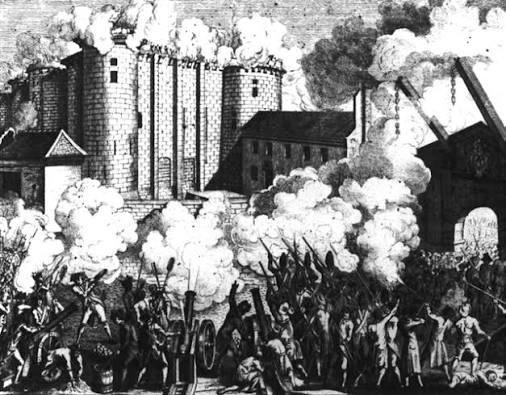
- Global developments also retain educational value because revolutions such as the French and Russian Revolutions shaped ideas of liberty, equality, citizenship, popular sovereignty, socialism and class politics.
- A balanced history textbook should therefore combine Indian and global history, multiple perspectives, historical evidence and proper social-political-cultural context, rather than replacing one narrow narrative with another.
FAQs
Q1. What is the main change in the revised history content?
Greater emphasis is placed on regional powers, resistance and lesser-known Indian rulers.
Q2. What is NCERT’s stated reason for such revisions?
NCERT cites curriculum rationalisation, including reduction of content load, repetition and overlap.
Q3. Which regional powers receive greater visibility?
They include the Ahoms, Rajputs, Vijayanagara Empire, Marathas, Sikhs and Jats.
Q4. Why are European revolutions still educationally important?
They shaped modern ideas such as liberty, equality, citizenship, socialism and popular sovereignty.
Q5. What is the central controversy around textbook revision?
It concerns how selection, omission and emphasis shape the historical perspective presented to students.