Context
The situation of the Koraga Tribe has highlighted continuing housing inequality, with the UN-Habitat World Cities Report 2026 pointing to caste-based exclusion and policy gaps as major barriers to secure housing for vulnerable communities.
About Koraga Tribe
Distribution and Language
- The Koraga are a Particularly Vulnerable Tribal Group (PVTG) mainly found in the Dakshina Kannada and Udupi districts of Karnataka and the Kasaragod district of Kerala.
- Small Koraga settlements are also present in other parts of Karnataka.
- The community primarily speaks Koraga Bhasha and Tulu.
Social and Cultural Features
- The Koragas follow a matrilineal social system and are organised into clan groups known as “bali.”
- Village affairs are traditionally guided by a senior elder called the “Mooppan.”
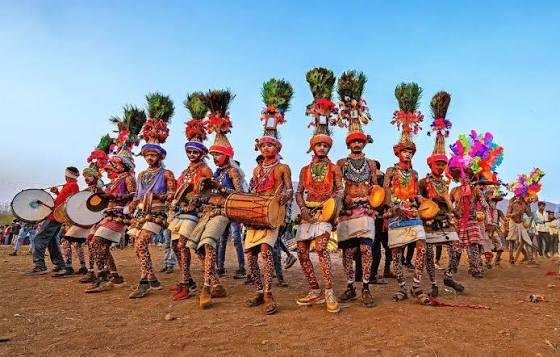
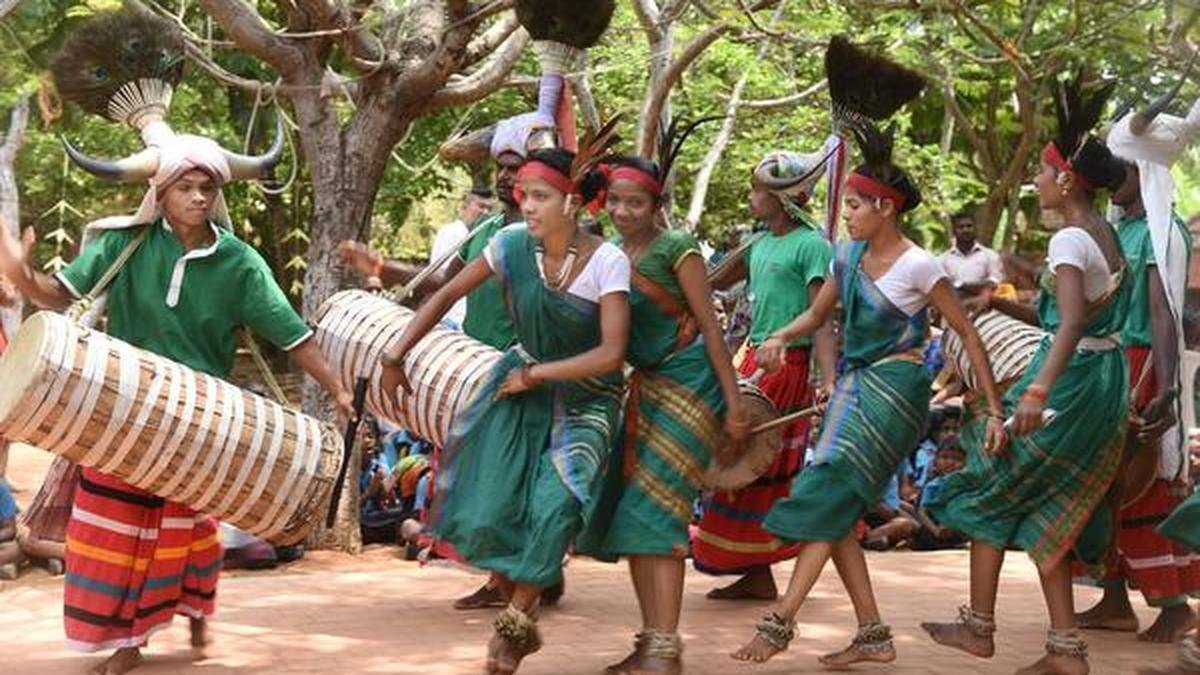
- Folk traditions, music, and ritual performances form an important part of their cultural identity.
- Dholu (drum) and Voote (flute) are important traditional musical instruments of the community.
Livelihood and Religious Practices
- The community depends mainly on agriculture, forest resources, wage labour, and traditional crafts such as basket weaving.
- The Koragas broadly follow Hinduism along with distinct tribal beliefs and practices.
- They worship spirits known as “Bhutas” and perform rituals associated with protection from evil spirits.