Context
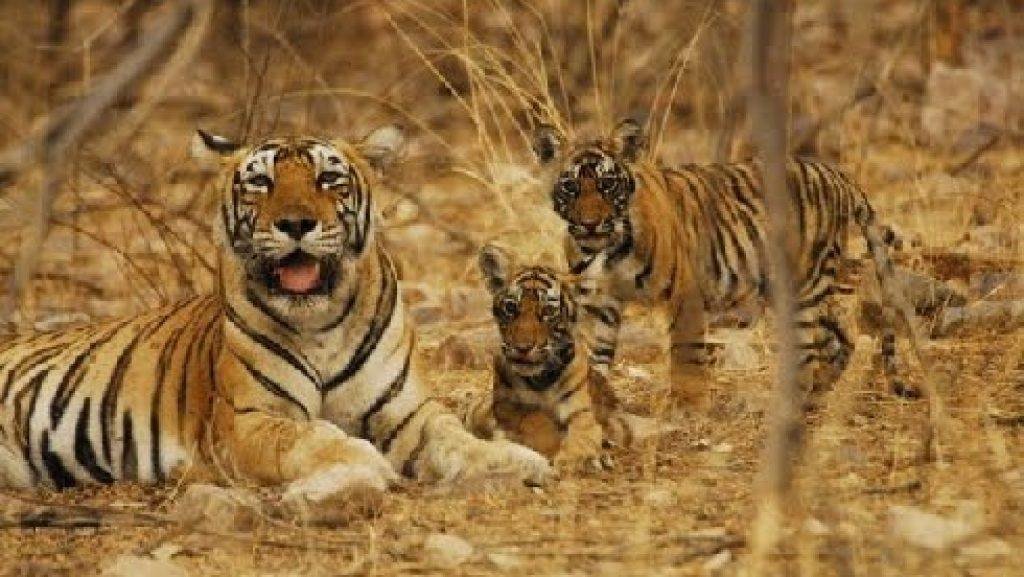
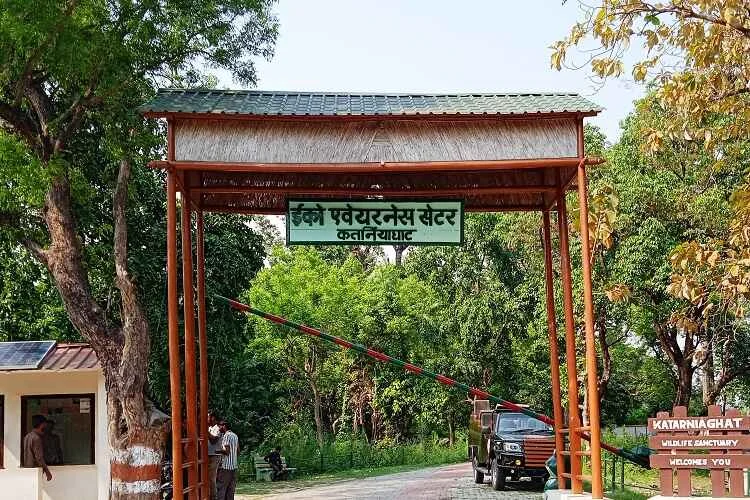
A recent tiger attack in the Katarniaghat Wildlife Sanctuary, in which a woman lost her life while collecting firewood, has drawn attention to the issue of human-wildlife conflict in protected forest areas.
About Katarniaghat Wildlife Sanctuary
- It is located in the Terai region of the Upper Gangetic Plains in Bahraich district of Uttar Pradesh near the India–Nepal border.
- The sanctuary forms part of the Dudhwa Tiger Reserve along with Dudhwa National Park and Kishanpur Wildlife Sanctuary, and was brought under Project Tiger in 1987.
- It acts as an important ecological corridor linking tiger habitats in India with Bardia National Park in Nepal.
- The vegetation comprises grasslands, moist deciduous forests, mixed deciduous forests, and Sal-dominated forests.
- Important tree species include Asna, Haldu, Gahmhar, and Asidha.
- The sanctuary supports endangered species such as tiger, gharial, Gangetic dolphin, swamp deer, hispid hare, Bengal florican, and vultures.
- The Gairwa River within the sanctuary provides habitat for gharials, mugger crocodiles, freshwater turtles, fish, and aquatic fauna.
- It is among the few protected areas in India where Gangetic dolphins are found in their natural riverine habitat.