Context
- Russia supplied 31.6% of India’s crude oil imports in June 2026, worth about $531 million, making it the country’s largest crude supplier.
- Damage to Russian refineries has increased demand for India’s large refining capacity.
India’s Refining Advantage
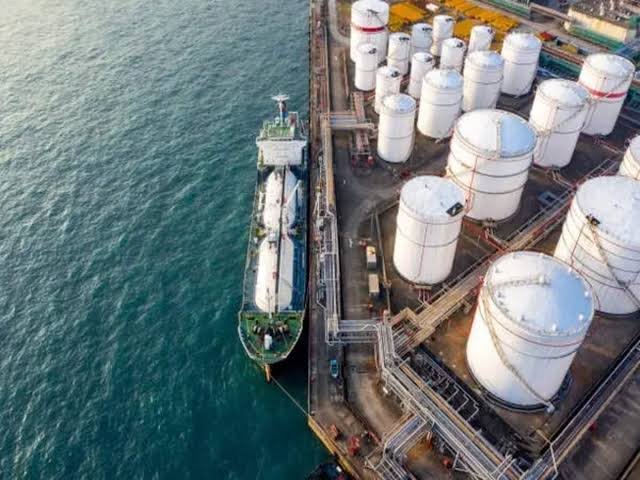
- India is the world’s fourth-largest oil-refining country, after China, the US and Russia in refining capacity.
- Reliance Industries’ Jamnagar refinery complex is among the world’s largest and can process diverse crude grades.
- High refining capacity enables India to convert crude oil into value-added petroleum products, which can then be exported and acts as a buffer during global supply disruptions.
Significance for India
- Energy Security: Importing crude from multiple sources and refining it domestically reduces dependence on a single supply route or refining market.
- Strategic Autonomy: Diversified procurement from Russia, Iraq, Saudi Arabia, UAE, Australia, Singapore and South Korea, among others, strengthens India’s energy diplomacy and strategic flexibility.
- Economic Opportunity: Refining imported crude into petroleum products creates value addition and export earnings.
- India–Russia Ties: Crude and refined-product trade can deepen economic cooperation beyond defence.
- Crisis Resilience: A diversified supply base and large refining capacity help India manage geopolitical and supply disruptions.
Key Risks
- Supplier Dependence: High reliance on Russia increases vulnerability to supply disruptions.
- Sanctions Risk: Russian oil purchases may invite Western or secondary sanctions.
- Geopolitical Risks: Conflicts can disrupt oil supplies, infrastructure and prices.
- Route Disruptions: Even with diversified suppliers, disruptions in critical maritime routes can raise transport costs and delivery risks.
- Price Volatility: Global oil price shocks can increase India’s import bill and inflation.
Way Forward
- Diversify Imports: Avoid excessive dependence on any single crude supplier.
- Upgrade Refineries: Improve flexibility to process different crude grades and increase value addition.
- Expand Strategic Reserves: Strengthen Strategic Petroleum Reserves (SPRs) against supply shocks.
- Strengthen Energy Diplomacy: Build reliable partnerships with major oil-producing regions.
- Promote Alternatives: Expand renewables, biofuels, EVs and green hydrogen to reduce crude dependence.
Conclusion
India’s large refining capacity, diversified crude sourcing and energy diplomacy strengthen its energy security and strategic autonomy. Going forward, supplier diversification, strategic reserves and clean-energy transition are essential for long-term resilience.
FAQs
Q1. Why is India’s refining capacity strategically important?
Ans. It enables India to convert imported crude into higher-value petroleum products. This provides economic value addition and strengthens resilience during global supply disruptions.
Q2. Why does India import crude from several countries?
Ans. Diversification reduces the risk of supply disruption from any single country or region and strengthens India’s energy security and strategic autonomy.
Q3.What is the major risk of relying heavily on Russian crude?
Ans. India may face sanctions-related risks, geopolitical pressure or supply disruptions if relations between Russia and Western countries deteriorate further.