Context
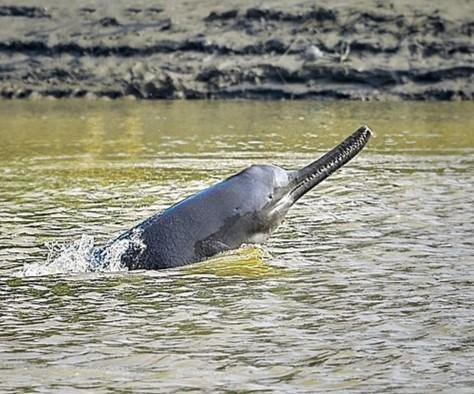
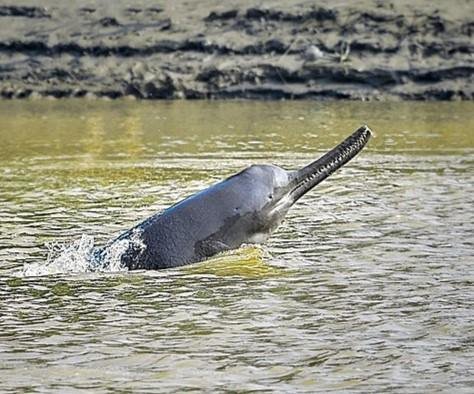
India’s Ganges River dolphin recovery programme has been recognised as a restoration success in the UN report Nature’s Comeback, released on 29 October 2026 at the 17th Conference of the Parties (COP17) to the Convention on Biological Diversity (CBD) in Yerevan, Armenia.
About the Species
- Taxonomy & Names: Scientific name Platanista gangetica; locally known as Susu, blind dolphin, side-swimming dolphin or Tiger of the Ganges.
- Geographic Habitat: Inhabits the Ganges-Brahmaputra-Meghna and Karnaphuli-Sangu river systems across India, Nepal, and Bangladesh (prefers deep pools, bends, and river confluences). In India, it spans 7 states, with the highest numbers recorded in Uttar Pradesh and Bihar.
- National Status: Designated as India’s National Aquatic Animal in 2009.
- Related Subspecies: The Indus River Dolphin (Platanista minor), found mainly in Pakistan and a short stretch of the Beas River in Punjab, India.
- Protection Status:
- IUCN Red List: Endangered
- CITES (Convention on International Trade in Endangered Species): Appendix I
- WPA, 1972 (Wildlife Protection Act, 1972): Schedule I
Key Features & Adaptations
- Physical Build & Habitat Preference: Features a stocky body, long slender snout, and large flippers; prefers deep pools, bends, and river confluences.
- Vision: Functionally blind—lacks eye lenses and can only differentiate between light and dark.
- Echolocation: Uses natural bio-sonar (echolocation) by emitting ultrasonic clicks to navigate and hunt in muddy waters.
- Breathing Habit: Surfaces every 30–120 seconds to breathe, making a distinct blowing sound (hence the name Susu).
- Behavior & Diet: Unique habit of side-swimming; feeds primarily on freshwater fish and invertebrates.
- Ecological Indicator: Serves as a vital indicator species, reflecting overall river health, water quality, and flow conditions
Key Threats
- Bycatch Mortality: Accidental entanglement in commercial fishing gear, particularly nylon gill nets.
- Habitat Fragmentation: Construction of dams and barrages reduces water flow and isolates dolphin populations.
- Pollution & Siltation: Agricultural run-off, industrial effluents, and excessive siltation degrade river ecology.
- Poaching: Targeted killing for dolphin oil, traditionally used as bait in local fisheries.
- Anthropogenic Disturbance: Increasing mechanized vessel traffic generates underwater noise, disrupting their echolocation.
Key Conservation Initiatives
- Project Dolphin: National flagship program for conserving riverine and marine dolphins (October 5 observed as National Dolphin Day).
- NDRC (National Dolphin Research Centre): Asia’s first dedicated research facility, inaugurated in Patna, Bihar.
- Comprehensive Action Plan (2022–2047): Long-term policy focusing on habitat restoration, population tracking, and reducing net-tangle deaths.
- Vikramshila Gangetic Dolphin Sanctuary: Located along the Ganga in Bihar; serves as India’s only dedicated dolphin sanctuary.
- Namami Gange Programme (2014): Implemented by the NMCG (National Mission for Clean Ganga); protects dolphin habitats through pollution abatement and ecological flow maintenance (recognized as a UN World Restoration Flagship in 2022).
- Community Engagement: Involves local fishing communities and grassroots volunteers like Ganga Praharis for anti-poaching surveillance, rescue operations, and awareness.
FAQs
Q1. Where is the Ganges River dolphin found?
Ans. In the Ganges-Brahmaputra-Meghna and Karnaphuli-Sangu river systems of India, Nepal and Bangladesh.
Q2. How does it hunt in muddy water?
Ans. It emits ultrasonic clicks and uses returning echoes to locate prey and obstacles.
Q3. Which is India’s only dolphin sanctuary?
Ans. The Vikramshila Gangetic Dolphin Sanctuary in Bihar.
Q4. Why is the dolphin called an indicator species?
Ans. Its population reflects river health, including adequate flow, prey availability and water quality.