Context
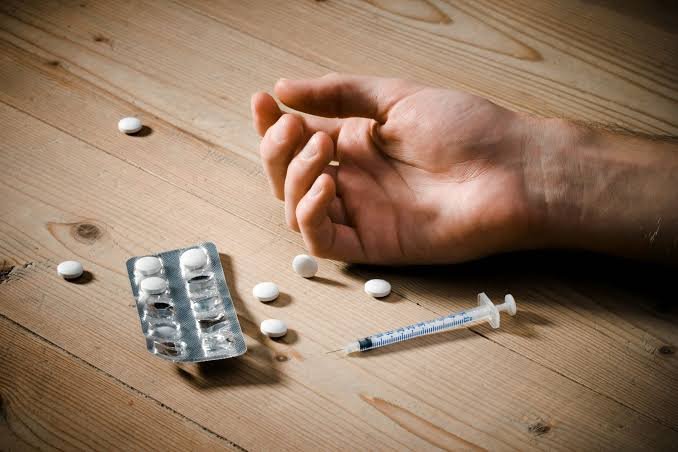
In early 2026, Bihar registered 1,905 NDPS cases (surpassing the full-year 2022 total), with Patna recording 389 cases. Illicit pharmaceutical tablet seizures surged from 29,762 in 2022 to 9.29 lakh in early 2026.
Drug Abuse: Key statistics
- Alcohol ban and its side effect: Bihar banned alcohol in 2016, and officials reports that users have shifted towards “dry drugs” and injectables.
- Size of the problem: A 2018 state government survey found about 17.5 lakh drug users in Bihar, using cannabis, opium, brown sugar and synthetic drugs.
- National picture: The national survey found that about 2.8% of Indians used cannabis and 2.1% used opioids in a year (Magnitude of Substance Use in India, Ministry of Social Justice and Empowerment)
- New pattern: Seizures in 2026 show growing use of capsules, injections, tramadol tablets and codeine syrup, along with traditional drugs like heroin and cannabis.
- Regional hotspots: Seizures were higher for heroin in Vaishali, cannabis in Gaya and codeine syrup in the Seemanchal region as per the Prohibition and State Narcotics Control Bureau, 2026.
Challenges in tackling the drug abuse
- Old data: The latest state-level estimate of users dates from 2018, so there is little reliable data on the new drug patterns.
- Easy access to medical drugs: Capsules, syrups and tablets look like ordinary medicines, are cheap and are easy to hide, so they are harder to detect than street drugs.
- Injecting drug use: A single warehouse raid in Patna recovered about 78,000 narcotic injections which shows the scale of supply.
- Students as targets: Police arrested a gang in Kankarbagh, a major coaching hub in Patna, for selling injections to students and young people.
- Illegal manufacturing: The Operation Vajra raid found an illegal manufacturing unit and godowns that held over 52,000 bottles of codeine syrup.
- Weak treatment network: Lack of de-addiction and rehabilitation centres in every district.
- Open border and road links: Bihar’s long open border with Nepal and its dense road network make it a convenient transit route for traffickers.
- Lack of coordination: Police, the Prohibition Department, the Drug Control Administration and central agencies need better coordination, as the Chief Secretary stressed in February 2026.
- Low awareness and stigma: Families often hide addiction, and awareness campaigns have not yet reached every panchayat.
Implications of rising drug abuse
- Rising disease burden: Spikes in needle sharing spread HIV and hepatitis, while escalating mental health disorders overwhelm state hospitals.
- Loss of youth advantage: Traps Bihar’s massive young demographic in addiction, destroying its future productive workforce.
- Growth of crime networks: Generates massive illicit profits that directly fund organized crime syndicates and narco-terrorism.
- Burden on families: Triggers financial bankruptcy, escalates domestic violence, and inflicts deep emotional trauma on households.
- Risk of punishing users: Criminalizing addicts instead of targeting traffickers pushes patients underground and away from medical treatment.
- Positive effect of action: Aggressive policing and satellite monitoring disrupt illegal supply chains when successfully paired with rehabilitation.
- Strained judicial system: Floods courts with a massive backlog of NDPS cases and causes severe overcrowding in state prisons.
- Rise in local petty crime: Increases neighborhood theft, robbery, and extortion by users desperate to fund their daily dosage.
- Economic drain on governance: Diverts critical public funds away from development to pay for expensive law enforcement and rehabilitation centers.
- Erosion of social fabric: Destroys community trust, increases public safety fears, and deepens the social stigma that prevents early intervention.
- Internal security: Bihar’s border with Nepal makes it a possible transit route, so drug control is linked to wider border security.
Legal framework and Government initiatives to tackle drug abuse
- Narcotic Drugs and Psychotropic Substances (NDPS) Act, 1985: It provides strict punishment for drug offences based on the quantity involved, and it allows forfeiture of property earned through drug trade.
- Narcotics Control Bureau and NCORD: The Narcotics Control Bureau leads the national fight against drugs, and the NCORD (Narco Coordination Centre) mechanism links central and state agencies down to district level.
- Nasha Mukt Bharat Abhiyaan (2020): This campaign of the Ministry of Social Justice and Empowerment focuses on awareness, community outreach and treatment.
- MANAS helpline (1933): The Narcotics Control Bureau runs this toll-free helpline for people seeking help for drug addiction.
- Bihar Narco Coordination Centre: In February 2026, the Chief Secretary reaffirmed a zero-tolerance policy and ordered satellite monitoring and stronger enforcement.
- Operation Vajra (2026): The Central Bureau of Narcotics seized fake and illegal medicine godowns in Gaya and Masaurhi and arrested the main accused on 22 July (PIB, 2026).
- DRI action: The Directorate of Revenue Intelligence seized about 105 kg of ganja in Bihar on 30 May 2026 under the NDPS Act.
- Constitutional basis: Article 47 directs the State to prohibit intoxicating drinks and drugs that harm health, except for medicinal purposes.
Way forward
- Treat addiction as a health issue: Set up de-addiction centres in every district, as the Social Welfare Department has proposed, and link them to government hospitals.
- Track medical drug sales: Check that chemists keep sale registers for codeine syrup, tramadol and sleeping pills.
- Clear demarcation of usage of different laws: Train police to separate genuine NDPS cases from Drugs and Cosmetics Act cases, so strict action is reserved for real traffickers.
- Go after kingpins: Operation Vajra shows that arresting the main organiser and sealing illegal godowns hurts networks more than catching small carriers.
- Strengthen border and highway checks: Use the satellite monitoring, along with joint checks with Nepal border forces and neighbouring states.
- Awareness campaigns in schools and panchayats: Run campaigns in colleges, coaching centres and village councils, with peer groups and parents involved.
- Reduce harm for injecting users: Expand needle-syringe exchange and opioid substitution services through health programmes.
- Collect fresh data: Carry out a new state survey so that policy reflects current drugs and user patterns.
- Work with communities: Sign agreements with local organisations for community-based prevention and follow-up care.
Conclusion
Effectively tackling drug abuse requires treating users as patients and traffickers as criminals. By combining strict supply-chain enforcement with accessible healthcare, society can eliminate stigma, protect its youth, and secure future development.
FAQs
Q1. What is the NDPS Act, 1985?
Ans: The Narcotic Drugs and Psychotropic Substances Act, 1985 is India’s main law against drugs. It bans the production, sale, possession and transport of narcotics except for medical and scientific purposes, and it sets punishment according to the quantity involved.
Q2. What are “dry drugs”?
Ans: Dry drugs are intoxicating substances other than alcohol, such as heroin, cannabis, tablets, capsules and injections.
Q3. What is NCORD?
Ans: NCORD is the Narcotics Coordination mechanism that brings central and state agencies together on drug control. It works through meetings at the national, state and district levels.
Q4. What is the Nasha Mukt Bharat Abhiyaan?
Ans: It is a campaign launched in 2020 by the Ministry of Social Justice and Empowerment to reduce demand for drugs. It focuses on awareness, community involvement and help for people with addiction.