Context
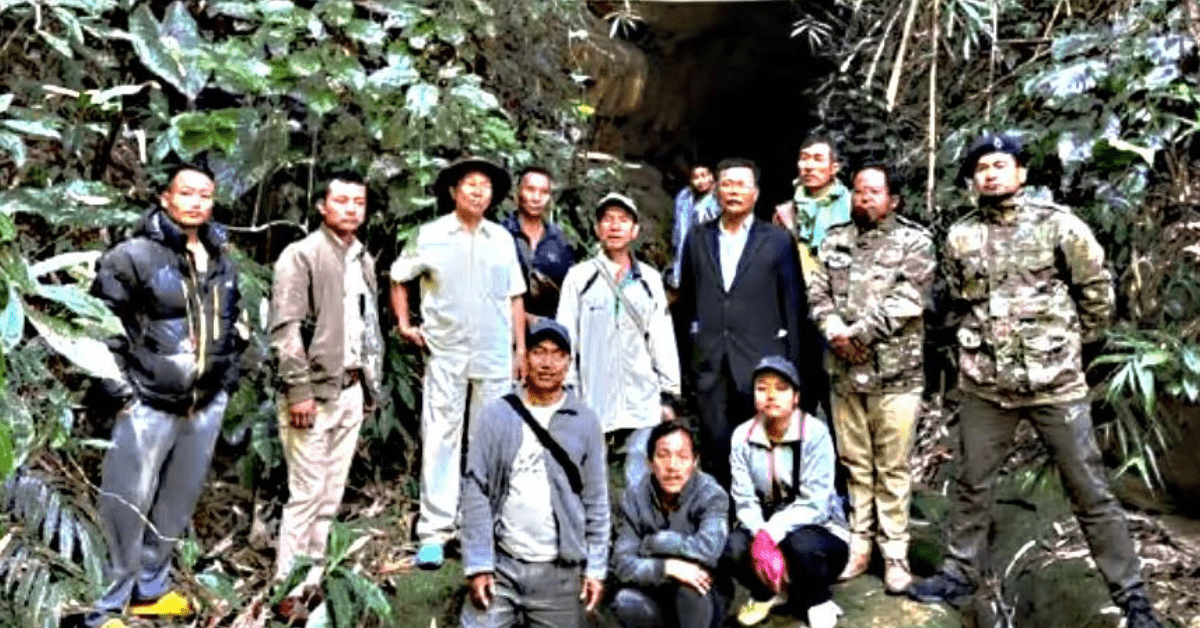
The Anal Naga tribe of Manipur has traditionally conserved forests and water resources through community-managed systems known as Uju and Rangkang.
Anal Naga Tribe
- The Anal are an indigenous Tibeto-Burman Naga tribe mainly inhabiting Chandel district of Manipur, with a smaller population in Myanmar.
- They are regarded as one of the earliest settler groups among the 19 recognised Naga tribes of Manipur and are recognised as a Scheduled Tribe in India.
- According to the 2011 Census, the tribe has a population of about 24,301.
- The Anal language belongs to the Northern Kukish branch of the Sino-Tibetan language family.
- Traditionally animist, the community today predominantly follows Christianity.
- Agriculture and animal husbandry constitute the main sources of livelihood.
- The tribe has traditionally conserved forests and natural resources through indigenous practices known as Uju and Rangkang.
Uju
- Uju refers to community-managed reserved forests located near Anal villages.
- These forests are regulated by village elders and local institutions through collective decision-making.
- Matters related to land use, jhum cultivation and forest protection are discussed during village assemblies.
- Commercial logging is prohibited, while tree felling requires prior approval.
- Forest produce such as herbs, fruits, mushrooms and medicinal plants may be collected only for household use.
Rangkang
- Rangkang refers to forest patches situated deeper within jhum cultivation areas.
- Unlike Uju, these regions are largely left undisturbed and remain outside routine human use.
- The practice has supported natural regeneration and conservation of dense forest ecosystems over generations.