Context
Chola-era idols of Lord Nataraja (Shiva) and Goddess Shivakami have been unearthed in Tamil Nadu. The discovery brings attention to the rich tradition of bronze sculpture during the Chola period.
About the Nataraja Sculpture
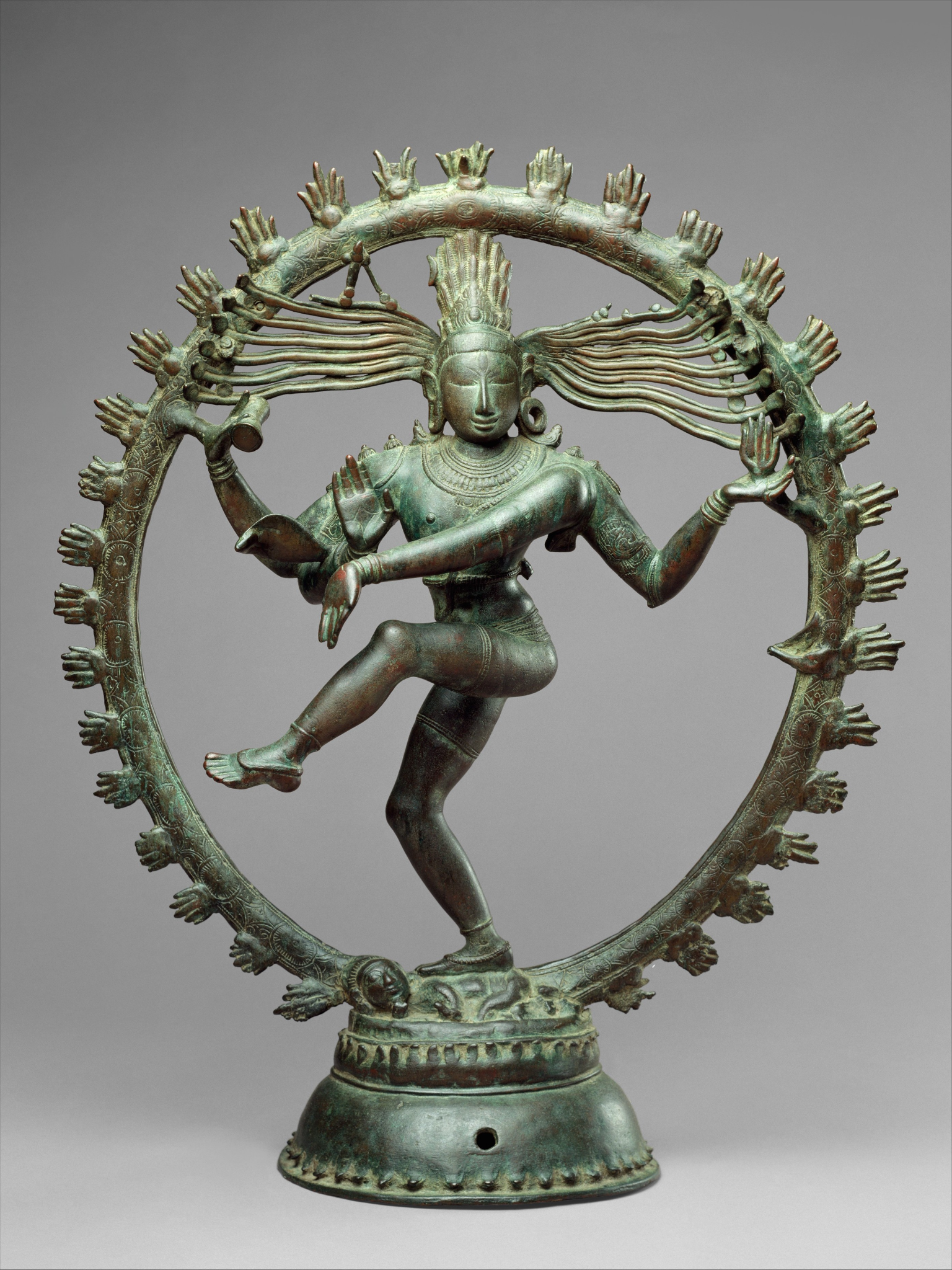
- The Nataraja sculpture represents Lord Shiva performing his cosmic dance (Ananda Tandava). This dance symbolises the continuous cycle of creation and destruction of the universe.
- Its earliest literary reference is found in the Mahabhashya, a Sanskrit text written by Patanjali. One of its earliest visual depictions is found in the Ravana Phadi Cave at Aihole, Karnataka, built during the Chalukya period.
- Nataraja Sculptures During the Chola Period: The Cholas were known for their excellent bronze sculptures, particularly the Nataraja idols.
- These idols were made using bronze through the Lost-Wax Casting Technique, a traditional method of creating metal sculptures.
- Different features and gestures of the Nataraja sculpture carry symbolic meanings. For example, the strands of Shiva’s hair represent elements such as the Ganga and immortality.
Important Chola Rulers
- Raja Raja Chola I
- Expanded the Chola Empire by conquering northern Sri Lanka and parts of Kerala.
- Allowed a ruler of the Srivijaya kingdom (Shailendra dynasty) to establish a Buddhist monastery at Nagapattinam.
- Built the famous Brihadeeswara Temple at Thanjavur, a UNESCO World Heritage Site.
- Rajendra Chola I
- Established the city of Gangaikonda Cholapuram to commemorate his northern military expedition.
- Defeated the Srivijaya ruler Sangrama Vijayottungavarman, expanding Chola influence across Southeast Asia.
Chola bronze sculptures reflect the artistic excellence and rich cultural traditions of South India. The Nataraja sculpture is particularly important because its different postures, hand gestures and physical features carry deeper symbolic meanings.
Frequently Asked Questions (FAQs)
Q1. What does the Nataraja sculpture represent?
It depicts Lord Shiva performing the cosmic dance, Ananda Tandava, symbolising the continuous cycle of creation and destruction of the universe.
Q2. What is the earliest literary reference to the Nataraja sculpture?
Its earliest literary reference is found in the Mahabhashya, a Sanskrit text written by Patanjali. An early visual depiction appears in the Ravana Phadi Cave at Aihole, Karnataka.
Q3. Which technique was used to create Chola-era bronze Nataraja idols?
Chola bronze sculptures were made using the Lost-Wax Casting Technique, a traditional method of producing intricate metal sculptures.
Q4. What is the significance of the features and gestures of the Nataraja sculpture?
Different physical features and hand gestures carry symbolic meanings. For example, Shiva’s hair strands represent elements such as the River Ganga and immortality.