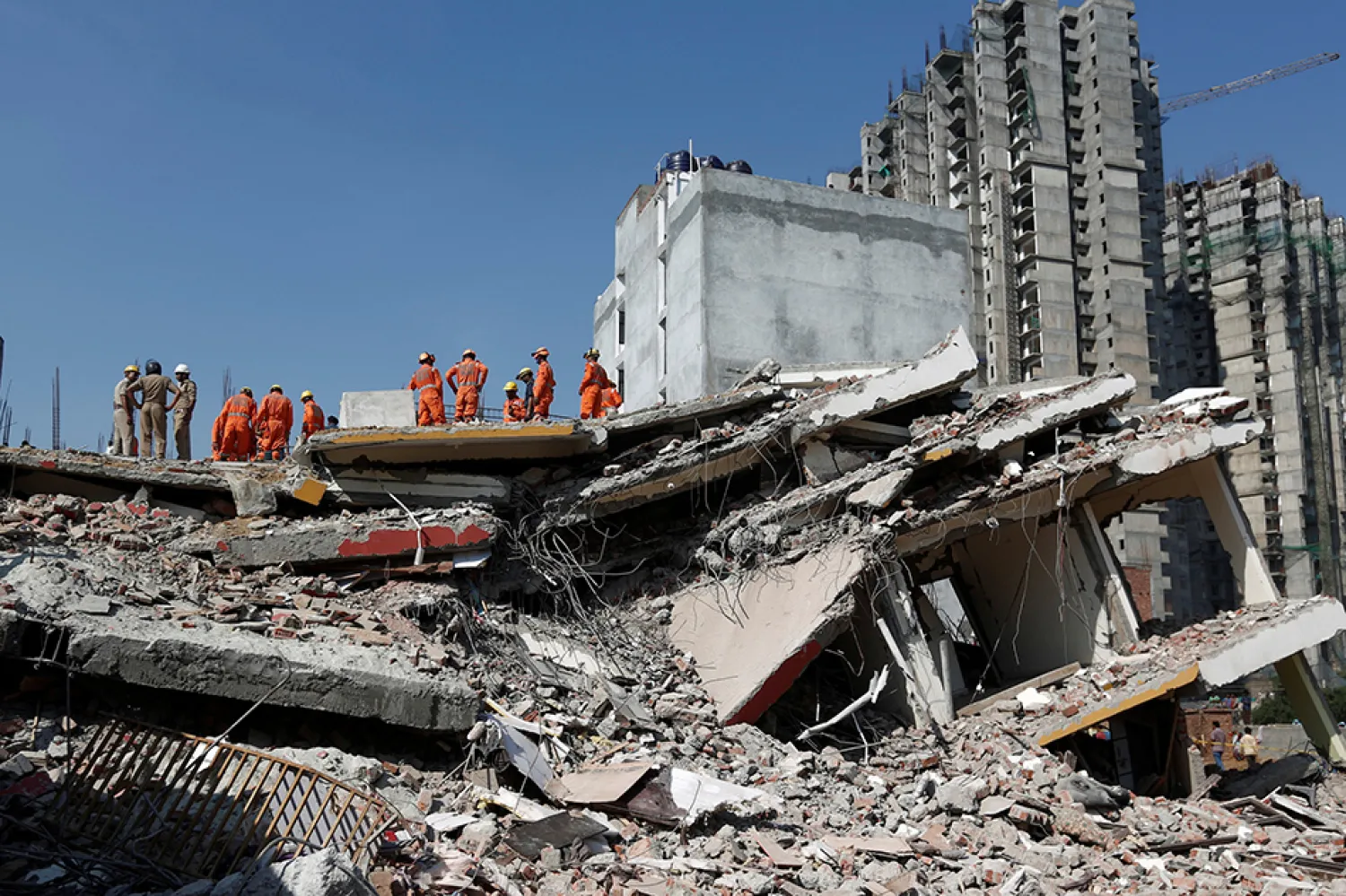
Context
- Frequent building and structure collapses point to gaps in construction regulation, urban planning and municipal enforcement.
- The issue is not limited to structural weakness. It also raises concerns about the approval and continued use of unsafe or unauthorised buildings.
Building Collapse Statistics
- The source cites around 1,500 deaths from building collapses in 2020.
- In Delhi, the cited number of deaths increased from 25 to 42.
- Among the 15 States/Union Territories with the highest number of deaths in 2024, the source includes Uttar Pradesh, Maharashtra, Madhya Pradesh, Rajasthan, Gujarat and Delhi.
- Delhi has also recorded the second- or third-highest deaths per million from building collapses since 2022, according to the cited data.
Major Causes
- Unauthorised construction: Buildings may exceed approved limits, including through the addition of unauthorised floors.
- Corruption and collusion: Links between local officials, municipalities, property owners and land mafias, including bribery, can weaken enforcement.
- Poor-quality construction: Use of substandard materials can increase the risk of structural failure.
- Weak inspection: Inadequate scrutiny during approval and construction can allow unsafe structures to remain in use.
- Limited ULB capacity: Urban Local Bodies (ULBs) may face gaps in technical expertise and enforcement capability.
- Socio-economic vulnerability: The consequences can be particularly severe for lower-middle-income households exposed to unsafe structures.
Existing Regulatory Framework
India has several provisions relevant to building safety:
- National Building Code of India, 2016 (NBC): A Bureau of Indian Standards (BIS) model framework covering areas such as structural design and safety, fire and life safety, construction practices and building materials. It is intended for adoption by relevant authorities.
- Model Building Bye-Laws (MBBL), 2016: A model framework for State Governments, ULBs and urban development authorities covering aspects of building regulation and safety.
- Disaster Management Act, 2005: Places responsibilities on local authorities regarding disaster prevention and mitigation standards for construction and provides for Urban Disaster Management Authorities under Section 41A.
- SP 7:2026 – National Building Construction Standards 2026: The current BIS-listed standard that supersedes SP 7:2016.
Governance Gaps
- Having building codes is not enough without effective implementation and enforcement.
- Weak accountability can allow violations to continue despite regulatory provisions.
- Inadequate inspections may leave structural risks undetected until an accident occurs.
- Limited technical capacity within ULBs can weaken safety oversight.
- A reactive approach, focused on rescue and relief after a collapse, does not adequately address risks beforehand.
Way Forward
- Shift from post-collapse response to preventive risk management.
- Strengthen the technical and enforcement capacity of ULBs.
- Make construction approvals more transparent and technology-enabled.
- Ensure effective compliance with the NBC, applicable building bye-laws and structural-safety standards.
- Undertake regular structural inspections and safety assessments of vulnerable buildings.
- Strengthen certification, inspection and enforcement and fix responsibility for violations.
- Integrate structural safety into urban disaster-management planning.
UPSC Mains Value Addition
Building collapses can be used as an example of the gap between regulatory frameworks and their implementation. It is relevant to questions on urban governance, municipal accountability, corruption, public safety, disaster-risk reduction and unplanned urbanisation.
Building and Structure Collapses FAQs
Q1. Why are building collapses also an urban governance issue?
Ans: Urban authorities are responsible for important stages such as approval, inspection, monitoring and enforcement. Weakness at these stages can allow unsafe construction to continue.
Q2. What is the National Building Code?
Ans: The NBC 2016 is a national model framework covering important aspects of building construction, including structural and fire safety. It is adopted by relevant authorities.
Q3. What is the purpose of Model Building Bye-Laws?
Ans: The MBBL 2016 provides model provisions that States and local authorities can use to regulate building construction and safety.
Q4. How does the Disaster Management Act relate to construction safety?
Ans: The Act assigns local authorities responsibilities related to disaster prevention and mitigation in construction and provides for Urban Disaster Management Authorities.
Q5. Why is preventive action important in structural safety?
Ans: Regular identification of unsafe buildings and construction violations can address risks before they result in deaths or injuries.
Q6. What is the significance of SP 7:2026?
Ans: SP 7:2026 – National Building Construction Standards 2026 is the BIS-listed standard that supersedes SP 7:2016.