Context
The Nordic Council Committee for a Sustainable Nordic Region has announced new initiatives to address pollution, eutrophication, declining fish stocks and marine biodiversity loss in the Baltic Sea.
Geographic and Ecological Features
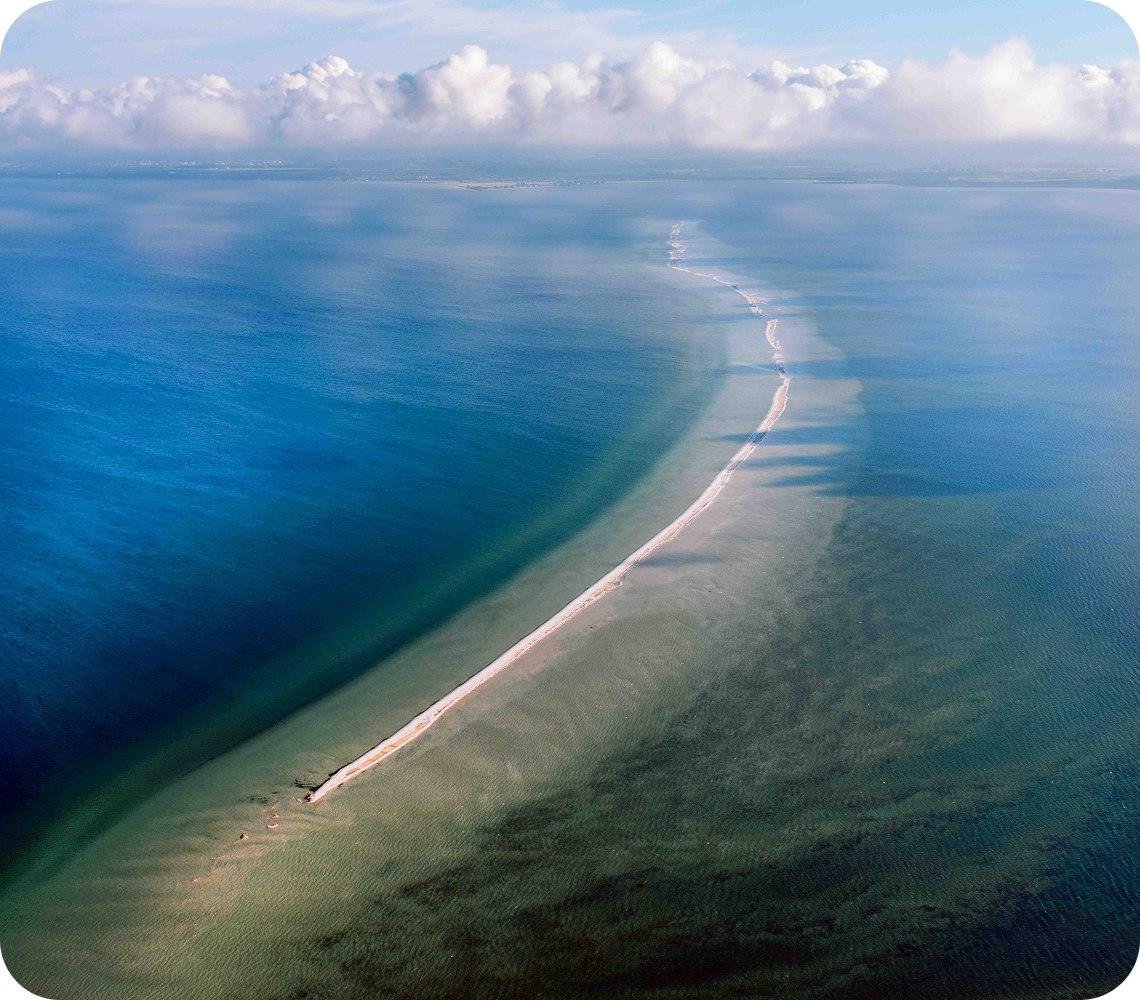
- The Baltic Sea is a semi-enclosed brackish sea in Northern Europe.
- It is bordered by Denmark, Sweden, Finland, Russia, Estonia, Latvia, Lithuania, Poland and Germany.
- It is connected to the North Sea through the Danish Straits and, farther west, the Kattegat and Skagerrak.
- Major sub-regions include the Gulf of Bothnia, Gulf of Finland, Gulf of Riga and Baltic Proper.
- The Baltic is geologically young, formed after the retreat of the Scandinavian ice sheet following the last Ice Age.
- Large freshwater inflow and restricted exchange with the North Sea produce low salinity, which generally decreases toward the north and east.
- Its ecosystem supports a distinctive mix of marine and freshwater species.
- Gotland, belonging to Sweden, is the largest island in the Baltic Sea.
Environmental Concerns
- Eutrophication: Excess nitrogen and phosphorus from agriculture and wastewater promote algal growth.
- Oxygen depletion: Decomposition of algal biomass contributes to low-oxygen conditions in deeper waters.
- Marine pollution: Hazardous substances and shipping-related pollution continue to affect water quality.
- Fish-stock decline: Several commercially important fish populations remain under ecological stress.
- The Baltic Sea receives special pollution-control protection under MARPOL provisions because of its environmental sensitivity.
FAQs
Q1. How many countries border the Baltic Sea?
Nine.
Q2. What type of water characterises the Baltic Sea?
Brackish water.
Q3. Which are its major gulfs?
The Gulf of Bothnia, Gulf of Finland and Gulf of Riga.
Q4. Which is the largest island in the Baltic Sea?
Gotland, belonging to Sweden.
Q5. Which environmental problem is especially serious in the Baltic Sea?
Eutrophication caused by excessive nutrient inputs.