Context
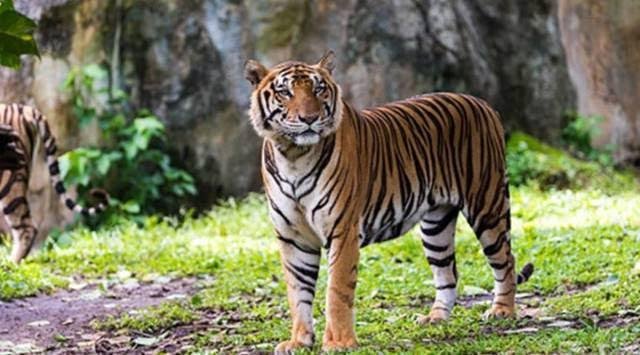
Recently, a tigress was moving between a village in Assam and areas of West Bengal. The incident highlights the importance of wildlife movement corridors and human–wildlife interactions in the region.
About Buxa Tiger Reserve
- Location: It is situated in the eastern Himalayan foothills of West Bengal.
- Establishment: It was established as a Tiger Reserve in 1983.
- Core area: Includes the Critical Tiger Habitat, which is important for the conservation of tigers and their ecosystem.
- Buffer area: Supports habitat connectivity, conservation activities and compatible human activities.
- Wildlife corridor: Buxa is an important elephant movement corridor connecting India and Bhutan.
- Important Wildlife: Mammals include Bengal tiger, Asian elephant, Leopard, Clouded leopard, Sloth bear, Fishing cat and Leopard cat. Birds include Bengal florican, Great hornbill and Black stork.
Tiger Population in India
- India’s tiger population reached 3,682 in 2022, indicating a significant increase over the years.
- Key Facts
- State with the highest tiger population – Madhya Pradesh
- Second-highest tiger population – Karnataka
- Tiger reserve with the highest tiger population – Jim Corbett Tiger Reserve
- Tiger reserves with no tigers – Dampa (Mizoram) and Kamlang (Arunachal Pradesh).
Tiger Reintroduction Programme in Buxa
Buxa historically supported a tiger population, but habitat degradation, fragmentation and declining prey availability affected its ability to sustain resident tigers. The recovery programme focuses on rebuilding the ecological conditions required for a viable tiger population.
Major conservation measures:
- Habitat improvement: Restoration of grasslands and improvement of forest habitats to support wildlife.
- Prey-base augmentation: More than 800 chital have been released under the recovery efforts to improve food availability for tigers.
- Scientific monitoring: Camera traps and other monitoring techniques are being used to track tiger movement and assess population recovery.
- Tiger reintroduction: The first tigress was brought from Valmiki Tiger Reserve in Bihar in October 2026.
- Community participation: Local communities are being involved through Eco-Development Committees and Joint Forest Management Committees.
- Human-wildlife conflict management: Awareness programmes, monitoring and community engagement are being promoted to reduce conflict.
The objective is not simply to introduce tigers into Buxa but to establish a healthy, breeding and self-sustaining tiger population.
Wildlife Corridors Associated with Buxa Tiger Reserve
Buxa is important because it connects several forest landscapes across West Bengal, Assam and Bhutan.
| Wildlife corridor | Importance |
| Buxa–Titi Corridor | Facilitates wildlife movement between forest habitats & and adjoining landscapes. |
| Buxa–Chilapata Corridor | Connects Buxa with the Chilapata forest landscape. |
| Buxa–Ripu Corridor | Provides connectivity towards the Ripu forest landscape and Bhutan. |
| Rydak–Jayanti Corridor | Important for elephant movement & connectivity between forest areas. |
Protected areas connected through the larger landscape:
- Manas Tiger Reserve: Assam.
- Raimona National Park: Assam.
- Phibsoo Wildlife Sanctuary: Bhutan.
- Jaldapara National Park: West Bengal.
- Buxa Tiger Reserve: West Bengal.
These corridors support the movement and dispersal of elephants, tigers, gaurs and other wildlife. They also help maintain genetic exchange between isolated animal populations.
Challenges and Way Forward
| Challenges | Way Forward |
| 1. Habitat fragmentation: Roads, human settlements and developmental activities can disrupt wildlife corridors. | Protect and restore wildlife corridors connecting Buxa, Manas, Raimona and Bhutan’s forest areas. |
| 2. Declining prey availability: An inadequate prey base makes it difficult to sustain a healthy tiger population. | Improve prey availability through habitat restoration and grassland development. |
| 3. Human-wildlife conflict: Movement of large carnivores towards villages can result in livestock losses and threats to human safety. | Strengthen camera-trap monitoring, radio-collar tracking and scientific assessment. |
| 4. Poaching and security: Its proximity to international borders makes effective wildlife protection particularly important. | Involve local communities in conservation through livelihood opportunities, awareness & timely compensation for wildlife-related losses. |
| 5. Interstate coordination: Wildlife movement across West Bengal, Assam and Bhutan requires cooperation between different authorities. | Improve coordination between forest departments of neighbouring states. |
Frequently Asked Questions (FAQs)
Q1. Where is Buxa Tiger Reserve located, and when was it established?
Buxa Tiger Reserve is located in the eastern Himalayan foothills of West Bengal. It was established as a Tiger Reserve in 1983.
Q2. Why is Buxa Tiger Reserve important for wildlife connectivity?
It serves as an important elephant movement corridor connecting India and Bhutan and links forest landscapes across West Bengal, Assam and Bhutan through several wildlife corridors.
Q3. What measures are being undertaken under the Buxa Tiger Reintroduction Programme?
Measures include habitat restoration, release of over 800 chital to improve prey base, camera-trap monitoring, tiger reintroduction and community participation through conservation committees.
Q4. Which protected areas are connected through the larger Buxa landscape?
The larger landscape connects Buxa Tiger Reserve and Jaldapara National Park in West Bengal, Manas Tiger Reserve and Raimona National Park in Assam, and Phibsoo Wildlife Sanctuary in Bhutan.
Q5. What are the major challenges to tiger conservation in Buxa?
Major challenges include habitat fragmentation, declining prey availability, human-wildlife conflict, poaching risks and the need for interstate and international coordination to protect wildlife corridors.