Context
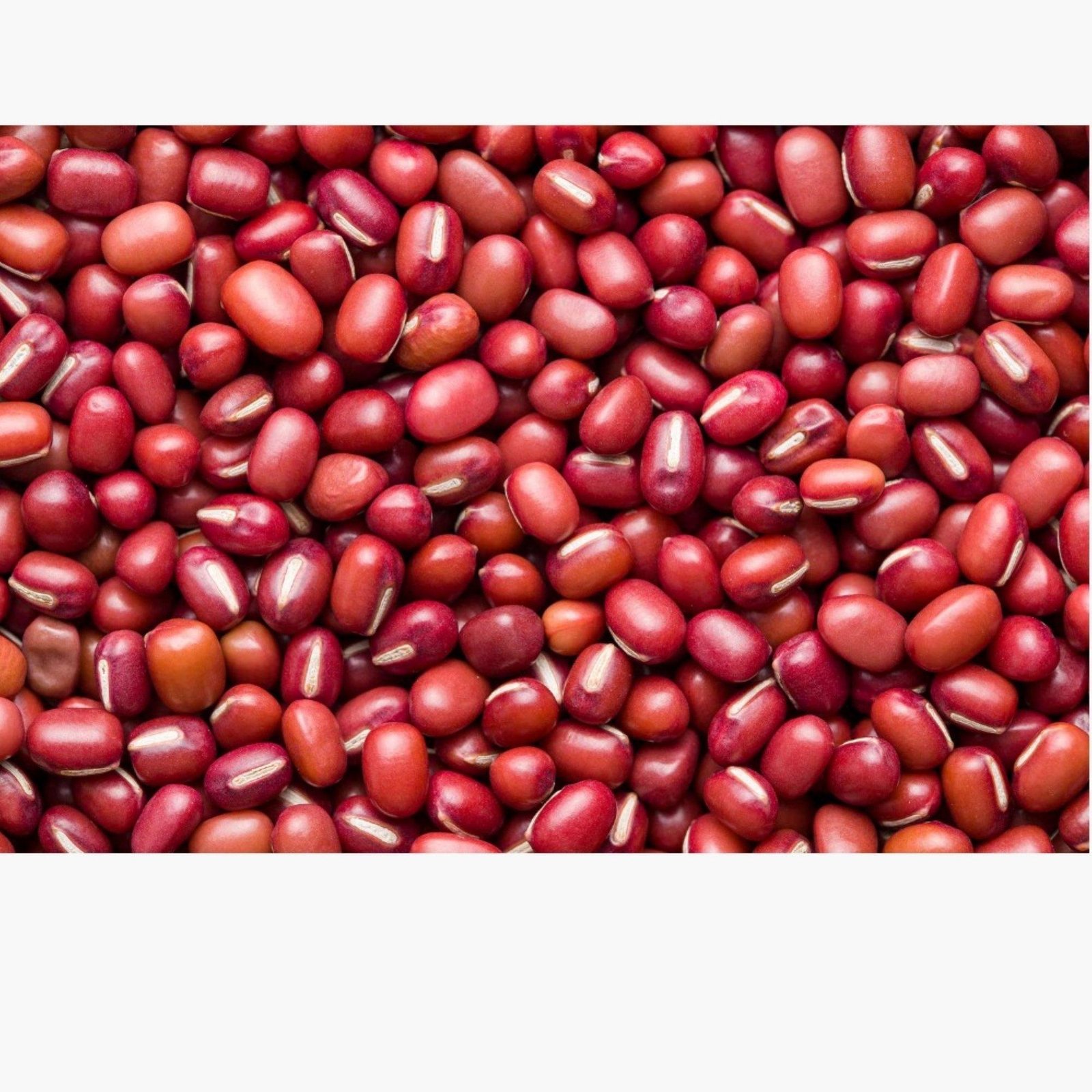
The first consignment of GI-tagged Tandur Red Gram was recently exported from Hyderabad, Telangana, to Australia. This marks its entry into an international market and provides an opportunity to promote Telangana’s agricultural produce.
About Tandur Red Gram
| Aspect | Key Features |
| Other name | Tandur Toor Dal |
| Location | Grown mainly in the rainfed areas of four mandals in Telangana (Tandur, Basheerabad, Peddemul and Yelal) |
| Distinctive features | Its unique qualities are linked to the region’s fertile deep black soils, deposits of attapulgite clay mineral and significant limestone deposits.
GI recognition: It became the first agricultural product from Telangana to receive a GI tag, in 2022. |
| Nutritional Value & Special Qualities | Protein-rich: Contains approximately 22–24% protein, nearly three times the protein content of cereals.
Taste: Known for its distinctive taste. Cooking quality: Has superior cooking properties. Storage: Offers better storage quality. |
Geographical Indication (GI) Tag
- A GI tag is a label used for products that originate from a particular geographical area and have qualities, characteristics or a reputation linked to that location.
- Products covered: GI recognition is commonly given to agricultural products, food products, wine and spirit drinks, handicrafts and industrial products.
- Legal framework in India:
- The Geographical Indications of Goods (Registration and Protection) Act, 1999 provides for the registration and legal protection of GI-tagged goods in India.
- A GI registration is valid for 10 years and can be renewed thereafter.
Frequently Asked Questions (FAQs)
Q1. What is Tandur Red Gram, and where is it cultivated?
Also known as Tandur Toor Dal, it is grown mainly in the rainfed areas of four Telangana mandals: Tandur, Basheerabad, Peddemul and Yelal.
Q2. Why does Tandur Red Gram have distinctive qualities?
Its unique characteristics are linked to the region’s fertile deep black soils, deposits of attapulgite clay mineral and significant limestone deposits.
Q3. Why is Tandur Red Gram nutritionally and commercially significant?
It contains approximately 22–24% protein, nearly three times that of cereals. It is also known for its distinctive taste, superior cooking properties and better storage quality.
Q4. When did Tandur Red Gram receive the GI tag, and why is it significant?
It received the GI tag in 2022, becoming the first agricultural product from Telangana to receive this recognition. It highlights the product’s geographical identity and distinctive qualities.
Q5. What is a Geographical Indication (GI) tag, and what is its validity in India?
A GI tag identifies products originating from a specific geographical area with qualities or reputation linked to that location. Under the GI Act, 1999, registration is valid for 10 years and can be renewed.