Context
- A recent inspection in the Karka area of Udanti-Sitanadi Tiger Reserve found around 2,500 trees, mainly Sal, Bija and Tendu, damaged through girdling.
- Girdling involves removing a strip of bark around a tree trunk, disrupting the movement of nutrients and potentially killing the tree.
- The Chhattisgarh Forest Department is exploring bridge grafting, a technique that may help save more than 500 recently damaged trees.
- The incident has also raised concerns about forest encroachment.
Bridge grafting
|
About Udanti-Sitanadi Tiger Reserve
- Location: Gariyaband and Dhamtari districts of Chhattisgarh.
- Established: Notified as a Tiger Reserve in 2009.
- Area: ~1,800 sq. km, including core and buffer areas.
- Formation: Comprises the Udanti & Sitanadi Wildlife Sanctuaries, along with adjoining forest areas.
- Geographical Region: Forms part of the Eastern Highlands of Central India.
Geographical Features
- Rivers: The Mahanadi is the main river system, with the Udanti, Sitanadi, Indravan and Pairi rivers flowing through the reserve.
- Mountains: The reserve has several hills, with Deo Dongri as its highest point and Atānga Dongar as a prominent mountain.
- Ecological Importance: Its forests form part of a larger landscape connecting with surrounding forest divisions and the Indravati Tiger Reserve region.
Flora (Plant Life)
- Forest Type: Tropical dry and moist deciduous forests.
- Dominant Trees: Sal (Shorea robusta) forms extensive patches.
- Other Flora: Teak, bamboo, Tendu, Mahua, Bija and Harra.
Fauna (Animal Life)
Important mammals found in the reserve include:
- Wild Buffalo: An important species for conservation in the region.
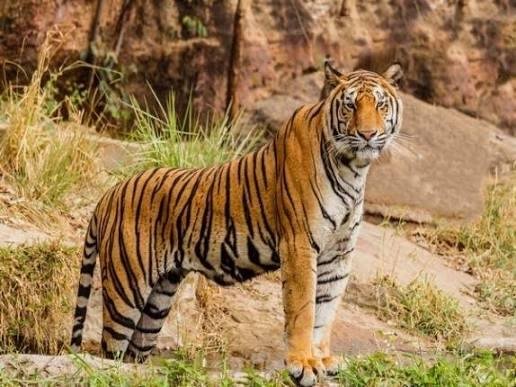
- Tiger: The reserve provides habitat for tiger conservation.
- Other Mammals: Indian wolf, leopard, sloth bear and mouse deer.
Ecological Significance
- Wildlife Conservation: Protects important habitats for tigers, wild buffalo and other wildlife.
- Forest Connectivity: Supports wildlife movement between forest landscapes in Chhattisgarh and adjoining regions.
- River Conservation: Its forests & rivers form part of the Mahanadi basin’s ecological landscape.
- Forest Protection: Preventing encroachment and restoring damaged trees are essential for preserving biodiversity and forest cover.
Frequently Asked Questions (FAQs)
Q1. Where is Udanti-Sitanadi Tiger Reserve located?
It is located in the Gariyaband and Dhamtari districts of Chhattisgarh. It was designated as a Tiger Reserve in 2009.
Q2. Which rivers and vegetation are found in the Udanti-Sitanadi Tiger Reserve?
The reserve lies within the Mahanadi river system, with the Udanti, Sitanadi, Indravan and Pairi rivers flowing through it. Its tropical dry and moist deciduous forests contain Sal, Teak, bamboo, Tendu, Mahua, Bija and Harra.
Q3. What is the ecological significance of Udanti-Sitanadi Tiger Reserve?
It protects habitats for tigers, wild buffalo and other wildlife, supports forest connectivity and conserves the Mahanadi basin’s ecological landscape. Preventing forest encroachment and restoring damaged trees are important for preserving its biodiversity.