Context
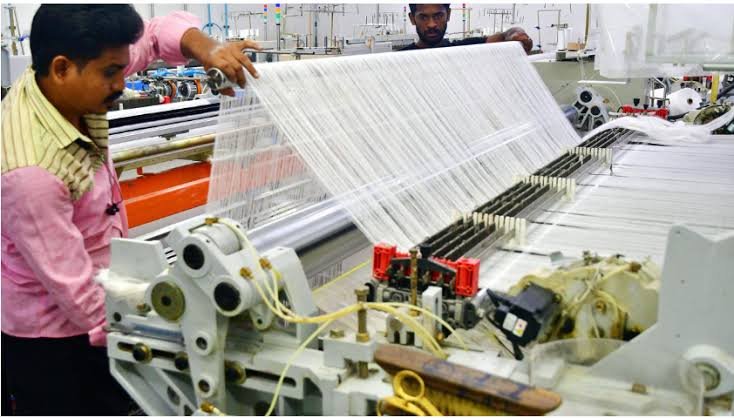
The government is promoting India’s textile sector through initiatives such as PM MITRA Parks and the PLI Scheme for Textiles to boost domestic manufacturing, increase exports and strengthen India’s position in the global textile market.
About the Textile Sector
- Value Chain: Covers production from raw fibres, yarn, and fabrics to finished garments and made-ups.
- Material Base: Spans natural fibres (cotton, silk, wool, jute), man-made fibres (MMF), and technical textiles.
- Technical Textiles: Products designed mainly for functional performance rather than appearance, such as medical textiles, agricultural textiles and geotextiles used in infrastructure.
- Socio-Economic Reach: Integrates large industries, MSMEs, handloom weavers, and artisans, bridging modern manufacturing with traditional crafts.
Key Data and Significance
- GDP & Industrial Share: Contributes approximately 2% to India’s GDP and accounts for 11% of manufacturing GVA (Gross Value Added).
- Employment Generation: Direct employer to over 45 million people, ranking as India’s second-largest employer after agriculture.
- Export Capacity: Achieved US$ 37.75 billion in exports across textiles, apparel, and handicrafts during FY 2024–25.
- Global Position: India was the sixth-largest textile and apparel exporter in 2023, accounting for around 9% of global trade.
- Rural Livelihoods: Acts as a socio-economic lifeline for cotton farmers, handloom weavers, artisans, women workers, and MSMEs.
- Cultural Heritage Preservation: Preserves traditional Indian craftsmanship, including regional textile designs, handloom weaving, block printing, and hand embroidery.
Major Government Initiatives
- Skill Development & Technology Upgradation
- SAMARTH Scheme: Provides skill training, capacity building, and placement support across the textile value chain (excluding spinning and weaving).
- ATUFS (Amended Technology Upgradation Fund Scheme): Promoted capital subsidies for modern machinery adoption (implementation period ended March 2022).
- Manufacturing & Investment Promotion
- PLI Scheme for Textiles: Incentivizes domestic manufacturing of MMF (Man-Made Fibre) garments/fabrics and Technical Textiles.
- National Technical Textiles Mission (NTTM): Focuses on R&D, innovation, and export promotion in high-value technical textiles.
- PM MITRA Parks Scheme: Establishes 7 mega integrated textile parks with plug-and-play infrastructure (₹4,445 crore outlay up to 2027–28).
- Environmental Infrastructure & Jute Sector
- IPDS (Integrated Processing Development Scheme): Funds CETPs (Common Effluent Treatment Plants) to address environmental pollution in textile clusters.
- Jute-ICARE: Promotes certified seeds, ribbon retting, and water-efficient practices to enhance jute fibre quality and yields.
Challenges Facing the Textile Sector
- Fragmented Production: Small-scale, unorganized units limit economies of scale, modernization, and productivity.
- Raw Material Constraints: Inconsistent cotton quality and higher cost of Man-Made Fibres (MMF) inflate production costs.
- Tech & Skill Gaps: Outdated machinery and skilled labor shortages restrict high-value addition and efficiency.
- Global Competition: Stiff competition from Bangladesh and Vietnam (duty-free access advantages) hurts export competitiveness.
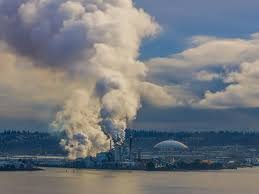
- Environmental Impact: High water consumption and untreated toxic wastewater pollution raise sustainability concerns.
- Low Value Addition: Heavy focus on raw yarn/fabric rather than high-value finished garments and technical textiles.
Way Forward
- Infrastructure Modernization: Accelerate credit access and technology adoption (g., Industry 4.0, CAD) for MSMEs via ATUFS and Common Facility Centres (CFCs).
- Higher Value Addition: Scale up production of Technical Textiles (via NTTM) and branded, high-margin functional fabrics.
- Skill & R&D Integration: Expand SAMARTH and strengthen industry–academia partnerships (NIFT/NID) for specialized workforce training.
- Export Competitiveness: Secure preferential market access through FTAs (g., UK, EU) and adhere to global ESG (Environmental, Social, and Governance) compliance.
- Sustainable Manufacturing: Adopt zero liquid discharge, water-efficient dyeing, CETPs (Common Effluent Treatment Plants), and circular economy practices (g., Eco-Mark certification).
- Value Chain Integration (5F Vision): Implement the Government’s 5F Strategy (Farm to Fibre Fibre to Factory Factory to Fashion Fashion to Foreign) through integrated PM MITRA Parks to cut logistics costs and delays
FAQs
Q1. What are technical textiles?
Ans. Technical textiles are products designed primarily for functional performance rather than appearance. They are used in healthcare, agriculture, construction, transport and other sectors.
Q2. How does the PM MITRA scheme support the textile industry?
Ans. It provides integrated infrastructure to improve textile manufacturing, investment and competitiveness.
Q3. What is the role of SAMARTH?
Ans. It provides skill training to improve employability and address workforce skill gaps in the textile sector.
Q4. What is the significance of Jute-ICARE?
Ans. It promotes improved jute cultivation and retting techniques to enhance fibre quality and reduce water use.