Context
- The Union Minister for Environment, Forest and Climate Change (MoEFCC) launched the implementation guidelines for the National Coastal Mission (NCM 2.0).
- The mission aims to protect India’s coastal regions, improve their ability to face climate-related threats and promote the sustainable use of marine resources.
Need for the National Coastal Mission
- India’s coastal regions support fishing, tourism, ports, trade and rich marine biodiversity. However, coastal erosion, cyclones, rising sea levels and marine pollution threaten coastal ecosystems and the livelihoods of local communities. Therefore, India needs an integrated approach to protect coastal areas while supporting economic development.
- Need for the National Coastal Mission
- To protect fragile coastal ecosystems and marine biodiversity.
- To reduce the impact of climate change on coastal communities.
- To control pollution in coastal and marine waters.
- To promote sustainable livelihoods for fishing and other coastal communities.
- To support economic activities that use marine resources without damaging the environment.
About National Coastal Mission (NCM)
- It is a Central Sector Scheme under the MoEFCC. It aims to improve the sustainability of India’s coastal regions while promoting the responsible use of ocean resources through the Blue Economy.
- About National Coastal Mission 1.0: The first phase of the mission was implemented from 2021–22 to 2025–26. It provided the foundation for coastal conservation and management activities.
- Need for National Coastal Mission 2.0:
- Coastal threats require stronger and more coordinated conservation efforts.
- Coastal development needs better planning to balance environmental protection and economic growth.
- Communities dependent on coastal resources need more secure and diverse livelihood opportunities.
- Improved monitoring and cooperation between the Centre, States and other stakeholders are necessary for effective implementation.
- About National Coastal Mission 2.0
- NCM 2.0 builds on the earlier phase with a larger financial outlay and a wider focus on climate resilience, coastal planning and sustainable development.
- Key Features: It has a financial outlay of ₹767 crore with implementation period from 2025–26 to 2030–31. It aims to strengthen coastal resilience and sustainability.
- Geographical Coverage: 9 coastal states (Gujarat, Maharashtra, Goa, Karnataka, Kerala, Tamil Nadu, Andhra Pradesh, Odisha and West Bengal) and 4 Union Territories (Dadra and Nagar Haveli and Daman & Diu, Andaman and Nicobar Islands, Puducherry and Lakshadweep).
- Major Objectives of National Coastal Mission 2.0
- Climate Change Adaptation: Reduce the impacts of climate change on coastal communities and ecosystems through adaptation and mitigation measures.
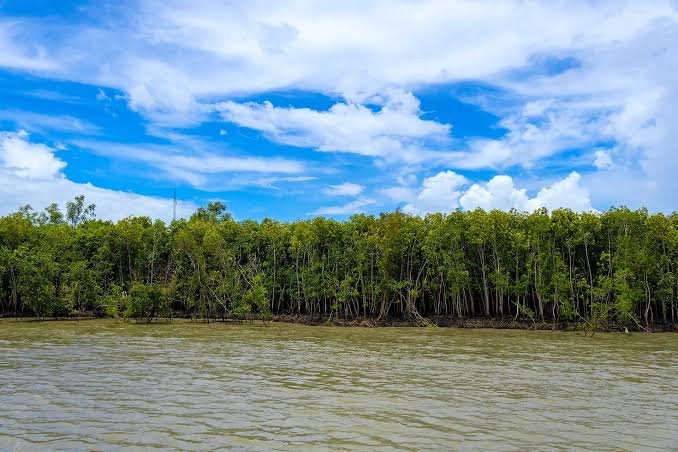
- Coastal Ecosystem Conservation: Protect and restore mangroves, coral reefs, brackish-water wetlands and other fragile marine habitats.
- Integrated Coastal Planning: Prepare Integrated Coastal Zone Management Plans (ICZMPs) and Coastal Marine Spatial Plans (CMSPs) to promote sustainable coastal development, green infrastructure and environmentally friendly shoreline management.
- Sustainable Livelihoods: Create diverse and reliable livelihood opportunities for coastal communities and reduce their dependence on climate-vulnerable activities.
- Marine Pollution Control and Global Commitments: Reduce pollution in coastal waters while supporting Atmanirbhar Bharat and India’s international commitments on ocean and coastal environmental protection.
Frequently Asked Questions (FAQs)
Q1. What is the National Coastal Mission 2.0?
It is a Central Sector Scheme under the Ministry of Environment, Forest and Climate Change (MoEFCC) aimed at protecting India’s coastal regions and promoting climate resilience and sustainable marine resource use.
Q2. What is the financial outlay and implementation period of NCM 2.0?
The mission has an outlay of ₹767 crore and will be implemented from 2025–26 to 2030–31.
Q3. Which regions are covered under NCM 2.0?
It covers 9 coastal states and 4 Union Territories, including Gujarat, Kerala, Tamil Nadu, Odisha, West Bengal, Lakshadweep and the Andaman and Nicobar Islands.
Q4. What are the major objectives of NCM 2.0?
Its key objectives include climate change adaptation, coastal ecosystem conservation, integrated coastal planning, sustainable livelihoods and marine pollution control.
Q5. How does NCM 2.0 promote sustainable coastal development?
It promotes coastal management plans, ecosystem restoration, green infrastructure and alternative livelihood opportunities while supporting India’s Blue Economy and international environmental commitments.