Context
- The Election Commission of India (ECI) conducts the Special Intensive Revision (SIR) to verify and update electoral rolls.
- The exercise has raised concerns over large-scale deletions, documentation requirements, procedural transparency and safeguards against excluding eligible voters.
Scale of Deletions
- Approximately 13.37 crore names were left out of draft electoral rolls across 30 States and Union Territories during three phases of SIR, representing a 14.1% reduction from pre-revision rolls. Delhi recorded a 32.8% reduction, followed by Dadra and Nagar Haveli and Daman and Diu (29.6%) and Telangana (21.7%).
- These figures relate to draft rolls and do not establish that every deletion was wrongful. The reasons for removal, subsequent restoration of entries and outcomes of appeals are essential to assess the exercise.
Major Procedural Concerns
- Documentation requirements: Linking applicants to older electoral records may disadvantage young voters, migrants and individuals who lack access to historical documents. Accessible alternatives are necessary to establish eligibility.
- Re-enrolment of omitted voters: The ECI has directed a special enrolment drive in 20 States and Union Territories where SIR has concluded. Eligible voters omitted from the rolls can apply for inclusion through Form 6, the prescribed application for enrolment. The additional SIR-linked declaration has been removed from the form used in these jurisdictions.
- Safeguards against deletion: Form 7 is used to object to the inclusion of a name or seek deletion of an existing entry. In October 2026, the ECI capped individual submissions at 10 during the claims-and-objections period and five per month during continuous updation. Electoral Registration Officers (EROs) must verify objections, issue the prescribed notices and conduct hearings before ordering deletions.
- Automated verification: Software-based comparisons may flag spelling variations, age discrepancies or inconsistencies in family records. Such flags should trigger individual scrutiny rather than automatic rejection, with affected applicants given an opportunity to respond.
- Institutional accountability: Reports have highlighted disagreements among Election Commissioners over aspects of SIR, including the Form 6 declaration and the handling of electoral databases. Transparent decision-making, proper consultation and auditable records are essential for institutional accountability.
Unequal Impact and Judicial Oversight
- Risk of disproportionate exclusion: Women, migrants, young voters and minorities may face additional barriers where verification depends on historical records or documentation. Disaggregated data are needed to establish whether particular groups are disproportionately affected.
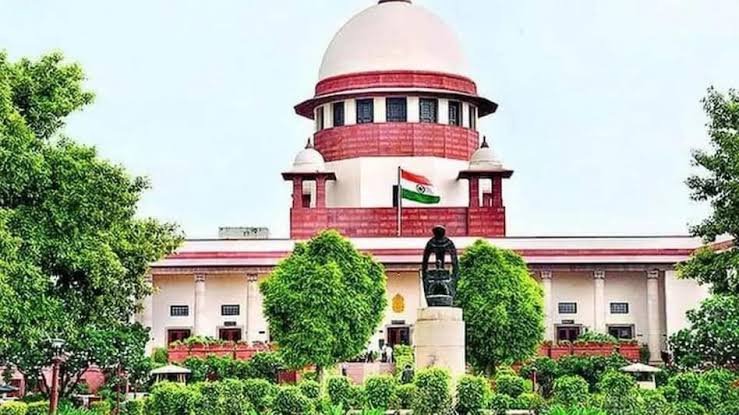
- Supreme Court scrutiny of Form 6: On 5 October 2026, the Supreme Court stated that it had not approved modifications to Form 6 and sought records to determine who authorised the changes. The ECI maintained that the statutory form itself had not been amended and that a separate declaration had been attached during SIR. The Court’s observations and the ECI’s position must be distinguished.
- Legal basis of SIR: In its judgment dated 27 May 2026, the Supreme Court upheld the validity of the Bihar SIR. It held that the ECI’s authority was traceable to Article 324 of the Constitution read with Section 21(3) of the Representation of the People Act, 1950. The exercise remains subject to applicable electoral laws and procedural safeguards.
Way Forward
- Strengthen door-to-door verification and assist applicants who lack access to historical records.
- Issue reasoned notices for proposed deletions and provide affected voters with meaningful opportunities to respond and appeal.
- Publish data on additions, deletions, restorations and appeal outcomes, disaggregated by relevant demographic categories.
- Maintain auditable electoral databases and ensure accountability of EROs.
- Investigate credible allegations of wrongful exclusion and deliberate misuse of the objection process.
- Protect personal information while enabling appropriate scrutiny of electoral-roll decisions.
Conclusion
Electoral-roll revision is essential for maintaining accurate voter lists, but administrative efficiency must be balanced with procedural fairness. Transparent verification, accountable decision-making and accessible remedies are vital to uphold universal adult suffrage and public confidence in elections.
Frequently Asked Questions (FAQs)
Q1. What is the Special Intensive Revision (SIR)?
SIR is an ECI exercise to verify and update electoral rolls.
Q2. What are Forms 6 and 7 used for?
Form 6 is used to apply for inclusion in an electoral roll, while Form 7 is used to object to an entry or seek deletion of a name.
Q3. What limits apply to Form 7 submissions under the October 2026 directive?
An individual may submit up to 10 objections during the claims-and-objections period and five per month during continuous updation.
Q4. What did the Supreme Court clarify about Form 6 in October 2026?
The Court stated that it had not approved the modifications and sought records concerning the changes. The ECI maintained that the statutory form remained unchanged.
Q5. What is the legal basis for SIR?
The Supreme Court upheld the Bihar SIR under Article 324 of the Constitution read with Section 21(3) of the Representation of the People Act, 1950.