Context
Wildlife Week (2–8 October) highlights the need to strengthen wildlife conservation in India. Recent recovery efforts for species such as the Great Indian Bustard and Asiatic lion underline the importance of protecting habitats and threatened species
India’s Biodiversity and Conservation Status
- Biodiversity: India occupies 2.4% of the world’s land area but supports nearly 7–8% of recorded global species. It is one of the 17 megadiverse countries and contains parts of four global biodiversity hotspots: Himalaya, Indo-Burma, Western Ghats–Sri Lanka, and Sundaland (Nicobar Islands).
- Threatened Species: Of 7,516 assessed Indian animal species, 1,012 are threatened. Limited assessments leave gaps in understanding the overall risk to biodiversity.
- National Red List Roadmap: Launched in 2025, it aims to prepare National Red Data Books for plants and animals by 2030 to identify threatened species and guide conservation priorities.
Major Threats to Wildlife
- Habitat Loss and Fragmentation: Deforestation, agriculture, urbanisation, roads and railways destroy habitats and restrict wildlife movement and breeding.
- Poaching and Illegal Trade: Illegal hunting and trafficking of animals and their body parts threaten species such as tigers, pangolins and rhinoceroses.
- Pollution and Toxic Substances: Pesticides and harmful chemicals damage ecosystems. Veterinary diclofenac caused severe mortality among vultures that consumed treated livestock carcasses.
- Invasive Alien Species: Non-native species compete with native wildlife and disrupt ecosystems.
- Climate Change: Rising temperatures, irregular rainfall, wildfires and water scarcity degrade habitats and threaten species survival.
- Human-Wildlife Conflict: Habitat loss and blocked migration routes bring animals into human settlements and farms, causing crop damage, casualties and retaliatory killings.
- Unsustainable Tourism and Infrastructure: Excessive tourism and poorly planned development disturb wildlife and damage habitats.
- Data Gaps: Inadequate species assessments and population monitoring hinder conservation planning and evaluation.
Major Conservation Initiatives and Successes
- National Species Recovery Programmes
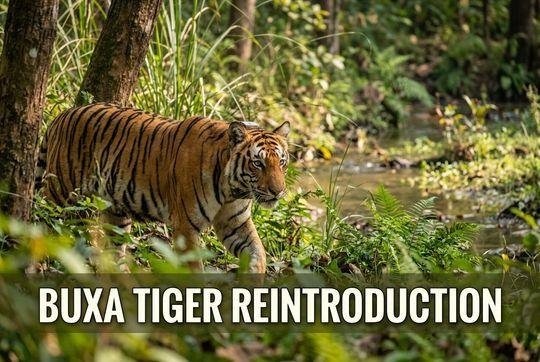
- Project Tiger (1973): Launched for tiger conservation; now covers 58 tiger reserves. India’s tiger population was estimated at 3,682 in 2022.
- Project Elephant (1992): Protects elephants, habitats and migration corridors; also addresses human-elephant conflict.
- Integrated Development of Wildlife Habitats (IDWH): A centrally sponsored scheme that supports protected-area management, habitat restoration and recovery of threatened species.
- Cheetah Reintroduction (2022): African cheetahs were introduced at Kuno National Park (Madhya Pradesh) to establish a wild population.
- Great Indian Bustard Conservation: Captive breeding and grassland protection in Rajasthan and Gujarat aim to prevent extinction of this critically endangered bird.
- Vulture Conservation: The ban on veterinary diclofenac, captive breeding and monitoring address major causes of vulture mortality.
- State-Level Conservation Efforts
- Project Nilgiri Tahr (2023): Tamil Nadu launched a dedicated conservation project focused on population estimation, habitat restoration and scientific monitoring across the Western Ghats.
- Asiatic Lion: Gujarat’s conservation measures include grassland restoration, invasive-plant control and population monitoring.
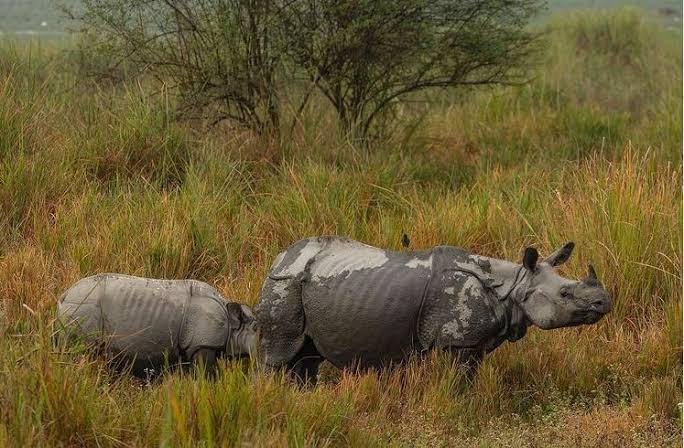
- Greater One-Horned Rhinoceros: Assam combines anti-poaching measures, habitat management and community participation; flood management is important in the Brahmaputra floodplains.
- Dugong Conservation Reserve (2022): Established in Palk Bay, Tamil Nadu, to protect seagrass ecosystems and dugong habitats.
- Snow Leopard Population Assessment (2019–2023): India’s first scientific assessment estimated 718 snow leopards, with the findings released in 2024.
- Global Lessons for Wildlife Recovery
- Iberian Lynx — Spain and Portugal: Habitat restoration, captive breeding and reintroduction helped rebuild wild populations.
- Scimitar-Horned Oryx — Chad: Reintroduction programmes restored the species to the wild after it had become extinct in the wild.
- Saiga Antelope — Kazakhstan: Its recovery highlights the importance of habitat protection, anti-poaching measures and sustained monitoring.
Legal and Institutional Framework
- Wild Life (Protection) Act, 1972: Provides legal protection to wild animals and regulates wildlife-related offences. The 2022 amendment strengthened India’s implementation of CITES (Convention on International Trade in Endangered Species of Wild Fauna and Flora).
- Protected Area Network: Includes national parks, wildlife sanctuaries, conservation reserves and community reserves for protecting species and their habitats.
- Wildlife Corridors: Connect fragmented habitats and enable animal movement, breeding and genetic exchange. The Supreme Court’s August 2026 directions on elephant corridors highlight the need to protect traditional movement routes.
- Joint Forest Management (JFM): Involves local communities in forest protection and management, linking conservation with local livelihoods.
- Kunming–Montreal Global Biodiversity Framework (2022): Sets the 30-by-30 target—to conserve at least 30% of the world’s land, inland waters, coastal areas and oceans by 2030.
Way Forward
- Scientific Monitoring: Expand species surveys, camera trapping, Geographic Information System (GIS) mapping and genetic studies to track population trends and habitat quality.
- Ecosystem-Based Conservation: Protect entire ecosystems, including prey species, food sources, water bodies and vegetation, rather than focusing only on flagship species.
- Habitat and Corridor Protection: Integrate wildlife needs into infrastructure planning and provide safe crossings to maintain habitat connectivity and reduce human-wildlife conflict.
- Species-Specific Strategies: Tailor conservation to habitat needs, such as grassland protection for the Great Indian Bustard, high-altitude habitats for the snow leopard, seagrass ecosystems for the dugong and connected forests for the clouded leopard.
- Sustained Funding and Enforcement: Ensure long-term funding, strengthen anti-poaching measures and curb illegal wildlife trade through effective law enforcement and cross-border cooperation.
- Community Participation and Accountability: Involve local communities, ensure fair compensation for wildlife-related losses and assess conservation programmes through measurable targets and regular monitoring.
FAQs
Q1. Why is India important for global wildlife conservation?
Ans. India supports nearly 7–8% of recorded global species despite occupying only 2.4% of the world’s land area.
Q2. What is the objective of the National Red List Roadmap?
Ans. Launched in 2025, it aims to prepare National Red Data Books for plants and animals by 2030 to identify threatened species and guide conservation priorities.
Q3. How do wildlife corridors support conservation?
Ans. They connect fragmented habitats, enabling animal movement, breeding and genetic exchange while reducing human-wildlife conflict.
Q4. How has vulture conservation been strengthened in India?
Ans. Measures include banning veterinary diclofenac, captive breeding, population monitoring and habitat protection.