Context
- A 28-year-old laboratory worker at an anti-plague research institute in Siberia died after severe pneumonia, prompting precautionary measures over a suspected pneumonic plague case.
Cause and Transmission
- Plague is a zoonotic bacterial disease caused by Yersinia pestis.
- It is mainly maintained in small mammals and their fleas.
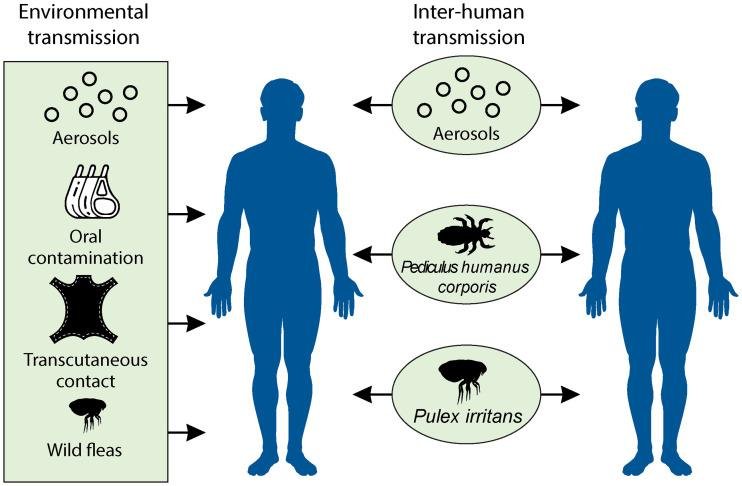
- Humans can be infected through flea bites, contact with infected animal tissues or fluids, or inhalation of infectious respiratory particles.
- Person-to-person transmission is mainly associated with pneumonic plague.
Types and Symptoms
- Bubonic plague: Most common form; causes painful swollen lymph nodes called buboes, fever, chills and weakness.
- Pneumonic plague: Affects the lungs and can cause fever, cough, breathing difficulty and blood-stained sputum.
- It is the form most capable of spreading directly between people through respiratory particles.
- Septicaemic plague: Occurs when bacteria multiply in the bloodstream, causing severe weakness, bleeding, shock and possible tissue death.
Treatment and Prevention
- Plague is treatable with antibiotics, especially when diagnosed early.
- Severe forms can progress rapidly, so prompt treatment is critical.
- Prevention includes early case detection, flea control, safe handling of animals and monitoring of close contacts.
- People exposed to pneumonic plague may require preventive antibiotics.
- There is no routinely recommended plague vaccine for the general public.
Public-Health Relevance
- Pneumonic plague is especially important because of its potential for respiratory spread and outbreaks.
- Plague remains a classic example of a zoonotic disease requiring One Health surveillance.
- Rapid diagnosis, contact tracing and isolation are important for controlling transmission.
- Suspected laboratory-linked cases also highlight the need for strong biosafety and outbreak preparedness.
FAQs
Q1. What causes plague?
It is caused by Yersinia pestis.
Q2. What are the three major forms of plague?
Bubonic, pneumonic and septicaemic plague.
Q3. Which form can spread from person to person?
Pneumonic plague.
Q4. What is a bubo?
A painful swollen lymph node seen in bubonic plague.
Q5. Is plague curable?
Yes. Early antibiotic treatment is effective.