Context
A vulture survey is currently being conducted in Wayanad Wildlife Sanctuary, Kerala, as part of preparations for the upcoming Wildlife Week.
About Wayanad Wildlife Sanctuary
- Location: Situated in Wayanad district, Kerala, in the Western Ghats.
- Established: Declared a wildlife sanctuary in 1973; it covers 344 sq. km and is the second-largest wildlife sanctuary in Kerala. It is also known as Muthanga Wildlife Sanctuary.
- Biodiversity landscape: Forms part of the Nilgiri Biosphere Reserve (India’s first biosphere reserve) and is connected to Nagarhole and Bandipur (Karnataka) and Mudumalai (Tamil Nadu).
- Four Ranges: Divided into four distinct hill ranges: Muthanga, Sulthan Bathery, Kurichiat, and Tholpetty.
- Rivers: Kabini (a major tributary of the Cauvery River system), Bavali and Cherupuzha are important rivers associated with the sanctuary.
- Vegetation: Comprises moist and dry deciduous forests and semi-evergreen patches, along with plantations of teak, rosewood, eucalyptus and silver oak.
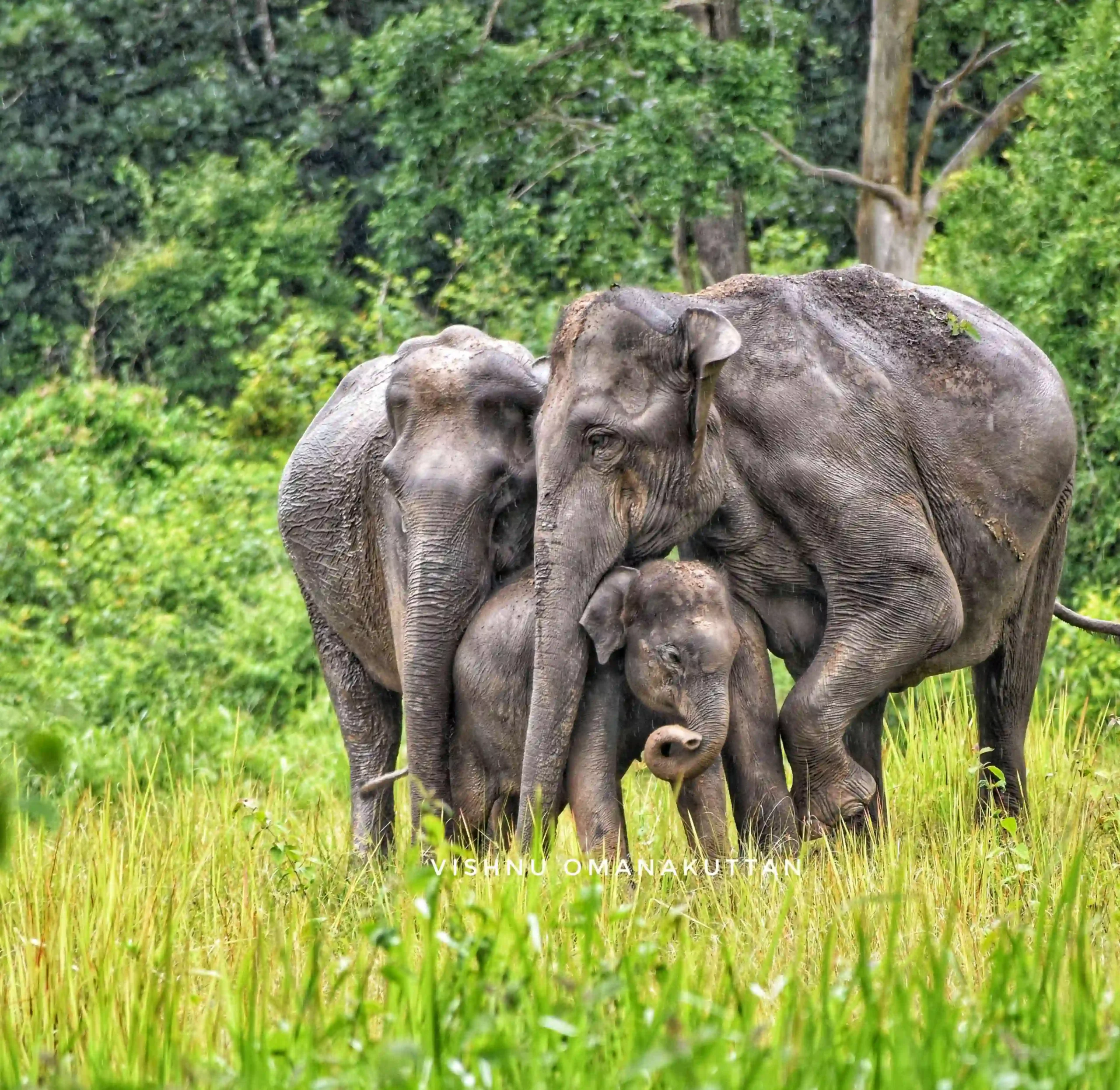
- Wildlife: Major species include Asian elephant, tiger, leopard, gaur, sambar, wild boar, sloth bear and jungle cat.
- Tribal communities: Paniyas, Kattunaikkans, Kurumas, Ooralis, Adiyans and Kurichiyas live in the area.
Significance
- Corridor role – connects Bandipur-Nagarhole-Mudumalai-Wayanad, enabling gene flow for elephants, tigers and other wide-ranging species.
- Biodiversity Conservation: Supports conservation of the Western Ghats ecosystem and its diverse wildlife.
- Elephant Conservation: The Wayanad Elephant Reserve is an important landscape for Asian elephant conservation.
- Vulture Monitoring: The ongoing survey will provide data on vulture distribution and population status, supporting targeted conservation measures. Top of Form
FAQs
Q1. Where is Wayanad Wildlife Sanctuary located?
Ans: It is located in Wayanad district of Kerala in the Western Ghats.
Q2. When was Wayanad Wildlife Sanctuary established?
Ans: It was established in 1973.
Q3. Which major rivers flow through the sanctuary?
Ans: The Kabini, Bavali and Cherupuzha are important rivers associated with the sanctuary.