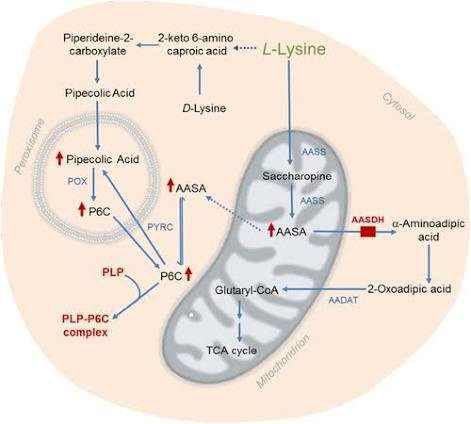
Context
Reports from America’s Poison Centers indicate that cases of Vitamin B6 poisoning have increased by around 40% over the past decade.
About Vitamin B6
- Vitamin B6 (pyridoxine) is a water-soluble vitamin that is essential for normal brain, nervous-system and immune-system functioning.
- Since it is water-soluble, the body does not store large amounts of it, making regular dietary intake important.
- It helps the body to:
- Produce antibodies needed to fight infections.
- Maintain normal nerve function.
- Produce haemoglobin, which carries oxygen to body tissues.
- Break down proteins and support their utilisation.
- Maintain normal blood glucose levels.
- Dietary Sources: Available naturally in a variety of animal- and plant-based foods, including:
- Fish: Tuna and salmon
- Meat: Liver, organ meat, turkey and other poultry
- Plant sources: Soybeans, pistachios and sunflower seeds
- Other sources: Potatoes, white rice and non-citrus fruits such as bananas
- It is also available through fortified foods and dietary supplements.
- Deficiency is more likely among people with conditions that affect nutrient absorption or metabolism, such as kidney disease , malabsorption disorders , certain autoimmune diseases, use of some epilepsy medicines or alcohol dependence.
- Effects: Insufficient Vitamin B6 can interfere with red blood cell formation and nervous-system function, resulting in anaemia, confusion, depression and irritability, mouth and tongue sores (glossitis) or peripheral neuropathy.
- Over intake: Although Vitamin B6 is essential, high doses, particularly from supplements, can cause toxicity affecting the nervous system and leading to numbness, sensory changes or difficulty coordinating movements.
FAQs
Q1. What is Vitamin B6?
Vitamin B6 (pyridoxine) is a water‑soluble vitamin essential for brain, nervous‑system, and immune‑system functioning.
Q2. Why is regular intake necessary?
Being water‑soluble, the body does not store large amounts, so daily dietary intake is required.
Q3. What are the key functions of Vitamin B6?
It helps produce antibodies, maintain nerve function, form haemoglobin, break down proteins, and regulate blood glucose.
Q4. Which foods are rich in Vitamin B6?
Sources include fish (tuna, salmon), meat (liver, turkey), plant foods (soybeans, pistachios, sunflower seeds), potatoes, rice, bananas, and fortified foods.
Q5. Who is at risk of deficiency?
People with kidney disease, malabsorption disorders, autoimmune conditions, epilepsy medication use, or alcohol dependence.