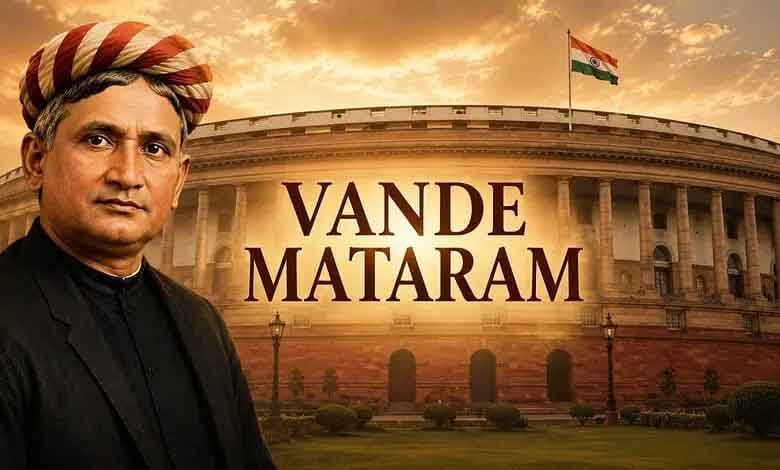
Context
The Prevention of Insults to National Honour (Amendment) Bill, 2026 is proposed to be introduced in the Rajya Sabha during the Monsoon Session of Parliament.
About the Bill
The proposed amendment seeks to strengthen the legal framework for protecting India’s national symbols by extending statutory safeguards to the National Song.
- The Bill proposes to amend Section 3 of the Prevention of Insults to National Honour Act, 1971.
- At present, Section 3 makes it an offence to:
- Intentionally prevent the singing of the National Anthem.
- Cause disturbance to an assembly engaged in singing the anthem.
- The amendment seeks to extend these provisions to Vande Mataram.
- In Salman v. State of Kerala (2014), the Kerala High Court held that intentionally creating noise or obstructing the singing of the National Anthem could constitute an offence under Section 3, thereby justifying police investigation.
- If enacted, intentionally obstructing or disturbing the singing of the National Song would be punishable with imprisonment of up to three years, a fine, or both.
Current Legal Framework
- ‘Jana Gana Mana’ is India’s National Anthem, while ‘Vande Mataram’ is recognised as the National Song.
- The Constitution of India does not expressly mention the National Song. Its status is based on historical recognition and long-standing constitutional practice.
- The Ministry of Home Affairs (MHA) has issued advisory guidelines regarding the singing and playing of Vande Mataram.
- The guidelines:
- Prescribe the authorised lyrics composed by Bankim Chandra Chatterjee.
- Recommend community singing during National Flag unfurling, ceremonial functions, and cultural programmes.
- Advise people to stand at attention during the official rendition.
- Encourage schools to begin the day with community singing of the National Song.
- These guidelines are advisory and do not currently prescribe any legal penalty for non-compliance.
Judicial Perspective
Supreme Court on MHA Guidelines
- The Supreme Court dismissed a petition challenging the MHA guidelines as premature, observing that the guidelines were advisory in nature and imposed no penal consequences.
- If the proposed amendment is enacted, the legal position would change by introducing statutory penalties for acts covered under the amended provision.
- In Bijoe Emmanuel v. State of Kerala (1986), the Supreme Court held that individuals cannot be compelled to sing the National Anthem if doing so conflicts with their genuine religious beliefs.
- The Court ruled that standing respectfully during the anthem is sufficient to show respect, and merely remaining silent does not amount to disrespect.
- The judgment upheld:
- Article 19(1)(a) – Freedom of Speech and Expression.
- Article 25(1) – Freedom of Religion.
- The decision remains a landmark precedent on balancing respect for national symbols with individual constitutional freedoms.
Conclusion
The proposed amendment seeks to extend statutory protection to Vande Mataram, reflecting the State’s commitment to safeguarding national symbols. If enacted, its implementation will need to uphold the constitutional balance between national honour and Fundamental Rights, with its scope ultimately shaped by judicial interpretation.
Frequently Asked Questions (FAQs)
Q1. What is the objective of the Prevention of Insults to National Honour (Amendment) Bill, 2026?
Ans: The Bill seeks to extend the statutory protection available to the National Anthem to Vande Mataram by making the intentional obstruction or disturbance of its singing a punishable offence under the Prevention of Insults to National Honour Act, 1971.
Q2. What amendment does the Bill propose to the Prevention of Insults to National Honour Act, 1971?
Ans: The Bill proposes to amend Section 3 of the Act to include the National Song within its penal provisions. If enacted, deliberate disruption of the singing of Vande Mataram would attract the same punishment currently applicable to the National Anthem.
Q3. What is the current legal status of Vande Mataram?
Ans: Vande Mataram is recognised as the National Song of India. The MHA guidelines prescribe its authorised lyrics, occasions for singing, and expected conduct, but they are advisory and do not currently impose any legal penalty for non-compliance.
Q4. Why is the Bijoe Emmanuel judgment important in the context of the Bill?
Ans: In Bijoe Emmanuel v. State of Kerala (1986), the Supreme Court held that respectfully remaining silent during the National Anthem does not amount to disrespect. The judgment protected the rights guaranteed under Articles 19(1)(a) and 25(1) and is likely to guide the interpretation of any future law concerning the National Song.
Q5. What constitutional issues may arise if the Bill is enacted?
Ans: The proposed amendment may require courts to balance the objective of protecting national honour with the Fundamental Rights relating to freedom of speech and expression and freedom of religion, particularly under Articles 19(1)(a) and 25(1) of the Constitution.
Q6. Which judgment interpreted the meaning of “disturbance” under Section 3 of the Prevention of Insults to National Honour Act, 1971?
Ans: In Salman v. State of Kerala (2014), the Kerala High Court held that intentionally creating noise or obstructing the singing of the National Anthem could constitute a disturbance under Section 3, thereby attracting legal action.
Q7. Why is the proposed amendment significant from a constitutional perspective?
Ans: The proposed amendment seeks to strengthen the legal protection of a national symbol while preserving constitutional liberties. Its implementation and judicial interpretation may further define the balance between national honour and Fundamental Rights within India’s constitutional framework.