Context
The World Health Assembly (WHA) has for the first time adopted a resolution highlighting stroke prevention, treatment and care as an important global public health concern.
About Stroke
- Stroke is a medical emergency caused by interruption of blood supply to the brain due to blockage of a blood vessel or bleeding within the brain.
- The condition may lead to brain cell damage, long-term disability or death.
Types
- Ischaemic Stroke: Occurs when a blood clot blocks blood flow to the brain.
- Haemorrhagic Stroke: Caused by rupture of a blood vessel in the brain, leading to internal bleeding.
- Transient Ischaemic Attack (TIA): A temporary disruption of blood flow to the brain that causes short-term stroke-like symptoms without permanent damage.
Risk Factors
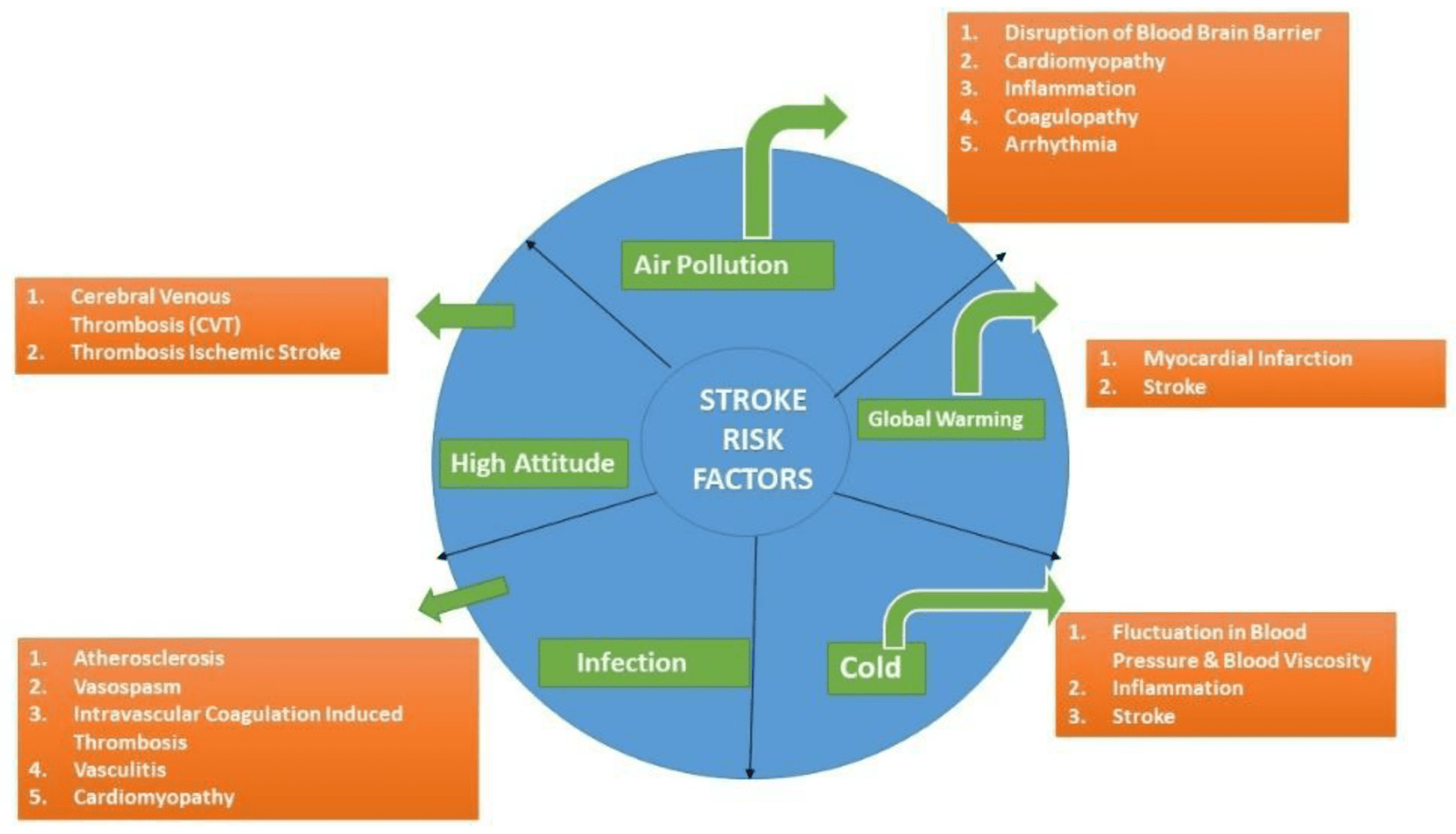
- Modifiable risk factors include high blood pressure, smoking, air pollution, high LDL cholesterol, obesity, physical inactivity, high blood glucose, kidney dysfunction, high-sodium diet and harmful alcohol consumption.
- Non-modifiable risk factors include ageing, previous stroke, chronic kidney disease and cardiac conditions such as atrial fibrillation and heart failure.
Symptoms
- Weakness or numbness in the face, arm or leg, particularly on one side of the body.
- Difficulty in speaking, understanding speech, maintaining balance or walking.
- Vision problems, dizziness and severe headache without any known cause.
Treatment and Prevention
- Treatment includes medicines, surgery and rehabilitation.
- Prevention of recurrent strokes through lifestyle changes and appropriate medication forms an important part of long-term management.