Context
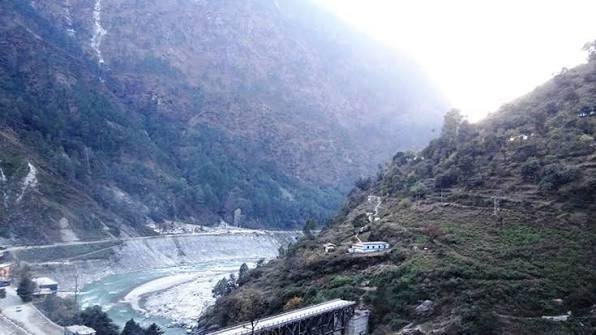
A landslide-triggered surge of water and debris entered an under-construction tunnel of the 444 MW Vishnugad-Pipalkoti Hydroelectric Project (VPHEP) in Chamoli district, Uttarakhand, killing seven workers.
About VPHEP
- Location: Chamoli district, Uttarakhand.
- River: Being developed on the Alaknanda River, a major tributary of the Ganga.
- Type: Run-of-the-river hydropower project, which generates electricity using natural river flow with limited water storage.
- Installed Capacity: 444 MW, (4 units of 111 MW each).
- Purpose: Provides peaking power to the Northern Grid during high-demand periods.
- Expected annual generation is around 1,665 GWh in a typical year.
- Developer: THDC India Ltd (formerly Tehri Hydro Development Corporation Limited), a joint venture between the Government of India and the Government of Uttar Pradesh.
- Financing: Supported by a US$648 million loan from the World Bank (International Bank for Reconstruction and Development).
UPSC FAQs
Q1. What is VPHEP?
Ans: It is a 444 MW run-of-the-river hydropower project being constructed on the Alaknanda River in Chamoli district, Uttarakhand.
Q2. Which river is associated with the project?
Ans: VPHEP is being developed on the Alaknanda River, a major tributary of the Ganga.
Q3. What type of hydropower project is VPHEP?
Ans: It is a run-of-the-river project, which uses the river’s flow to generate electricity with limited dependence on large water storage.
Q4. Which organisation is developing the project?
Ans: THDC India Ltd. is developing the project. It is a joint venture between the Government of India and Government of Uttar Pradesh.
Q5. Why is VPHEP important for India’s power sector?
Ans: Its 444 MW capacity is intended to provide peaking power to the Northern Grid, helping meet electricity demand during high-demand periods.