Context
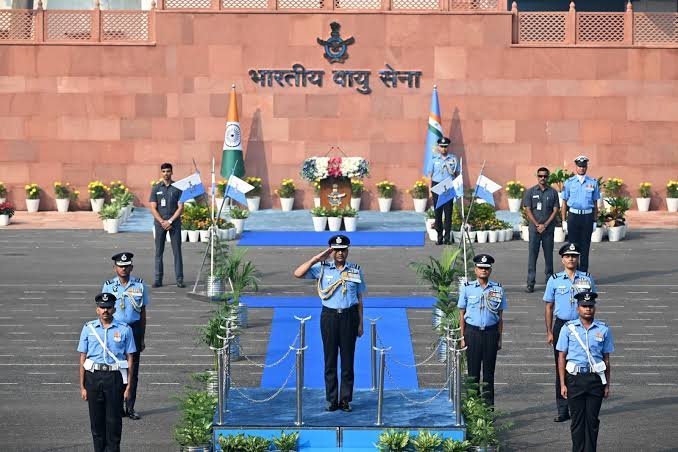
On 1 November 2026, Air Chief Marshal Ashutosh Dixit assumed charge as the 29th Chief of the Air Staff (CAS) of the Indian Air Force (IAF), succeeding Air Chief Marshal A.P. Singh. In his maiden address, he unveiled the VAYU vision, outlining four priorities to strengthen the IAF’s operational readiness, promote indigenous defence capabilities, encourage technological innovation and improve coordination among the three armed forces.
VAYU Framework
VAYU is a four-pillar vision to transform the Indian Air Force into an operationally ready, technologically advanced, self-reliant and integrated force.
1. V – Vigilance, Victory and Readiness
- Operational Preparedness: Ensure that every squadron, radar, air defence unit and Air Warrior remains prepared to respond to emerging threats.
- Restoring Combat Strength: Bring the IAF’s fighter squadron strength towards its sanctioned level of 42 squadrons.
- Deterrence: Maintain credible air power to deter adversaries and protect national interests.
2. A – Aatmanirbharta
- Indigenous Aircraft: Prioritise indigenous platforms such as Light Combat Aircraft (LCA) Tejas Mk1A and the Advanced Medium Combat Aircraft (AMCA) programme.
- Domestic Defence Technology: Strengthen indigenous development of sensors, weapons and other critical technologies.
- Reduced Import Dependence: Build domestic production capabilities to improve operational self-reliance and reduce dependence on foreign suppliers.
3. Y – Yukti
- Artificial Intelligence: Develop networked, Artificial Intelligence-enabled command and control systems for faster decision-making.
- Counter-Drone Capabilities: Strengthen layered defence systems to counter the growing threat from unmanned aerial vehicles.
- Operational Innovation: Improve military doctrine, maintenance systems, force protection and operational resilience.
- Emerging Domains: Develop capabilities in near-space operations and other emerging areas of warfare.
4. U – Unity of Effort
- Tri-Service Jointness: Strengthen coordination among the Indian Army, Navy and Air Force.
- Integrated Planning: Incorporate air power into military planning from the initial stages of operations.
- Inter-Agency Coordination: Improve cooperation between the armed forces and national agencies to address evolving security challenges.
The VAYU vision is aligned with the broader national vision of JAI – Jointness, Aatmanirbharta and Innovation.
Challenges Facing the Indian Air Force
- Shortage of Fighter Squadrons: The IAF has a sanctioned strength of 42 fighter squadrons, but its actual strength remains below this level, affecting operational preparedness.
- Ageing Aircraft Fleet: Retirement of older aircraft, including MiG-21s, creates pressure to induct replacement platforms in time.
- Delays in Indigenous Programmes: Delays in the delivery of LCA Tejas Mk1A aircraft and the development of advanced platforms can affect modernisation plans.
- Changing Nature of Warfare: Drones, long-range precision weapons, cyber warfare, space-based systems and electronic warfare are changing the character of air combat.
- Dependence on Foreign Technology: Dependence on imported engines, components and critical defence technologies can create supply-chain vulnerabilities.
- Need for Greater Jointness: Effective modern warfare requires seamless coordination among the Army, Navy, Air Force and other national agencies.
Significance of the VAYU Framework
- Strengthens National Security: Improved readiness and credible air power enhance India’s ability to deter external threats.
- Promotes Defence Self-Reliance: Indigenous platforms, weapons and sensors can reduce import dependence and strengthen domestic defence manufacturing.
- Prepares for Future Warfare: AI, counter-drone systems and emerging-domain capabilities help the IAF adapt to technological changes.
- Improves Operational Efficiency: Integrated command and control systems can support faster decision-making and better situational awareness.
- Enhances Tri-Service Coordination: Joint planning and interoperability improve the effectiveness of integrated military operations.
- Supports Defence Innovation: Greater emphasis on research, development and indigenous technologies can strengthen India’s defence industrial ecosystem.
Way Forward
- Accelerate Aircraft Induction: Ensure timely delivery of indigenous fighter aircraft and strengthen the operational fleet.
- Strengthen Defence Research: Increase collaboration among the Defence Research and Development Organisation (DRDO), public-sector units, private industry and start-ups.
- Develop Critical Technologies: Prioritise indigenous aircraft engines, advanced radars, electronic warfare systems and precision-guided weapons.
- Build Multi-Layered Air Defence: Strengthen capabilities against drones, missiles and other aerial threats.
- Deepen Tri-Service Integration: Promote joint commands, integrated planning, common logistics and interoperability.
- Invest in Human Capital: Improve specialised training in AI, cyber warfare, space operations and emerging technologies.
- Strengthen Maintenance Ecosystem: Develop domestic maintenance, repair and overhaul capabilities to improve aircraft availability and reduce operational downtime.
Conclusion
The VAYU framework reflects the changing requirements of modern air power, where operational readiness must be supported by technological innovation, indigenous capabilities and joint military planning. Its effective implementation can help build a combat-ready, technologically advanced and self-reliant Indian Air Force capable of addressing emerging national security challenges.
FAQs
Q1. What is the VAYU framework?
Ans: It is the four-pillar vision of the Chief of the Air Staff to modernise the Indian Air Force and strengthen its operational capabilities..
Q2. Who introduced the VAYU vision?
Ans: Air Chief Marshal Ashutosh Dixit, as per the reported announcement in the given context.
Q3. What is the sanctioned fighter squadron strength of the IAF?
Ans: 42 fighter squadrons.
Q4. What is the JAI vision associated with India’s defence sector?
Ans: JAI stands for Jointness, Aatmanirbharta and Innovation.
Q5. What is the Advanced Medium Combat Aircraft (AMCA) programme?
Ans: It is India’s indigenous fifth-generation stealth multirole fighter aircraft development programme.
Q6. Why are counter-drone systems important for the IAF?
Ans: They help detect, track and neutralise unmanned aerial threats, including hostile drones used for surveillance and attacks.