Context
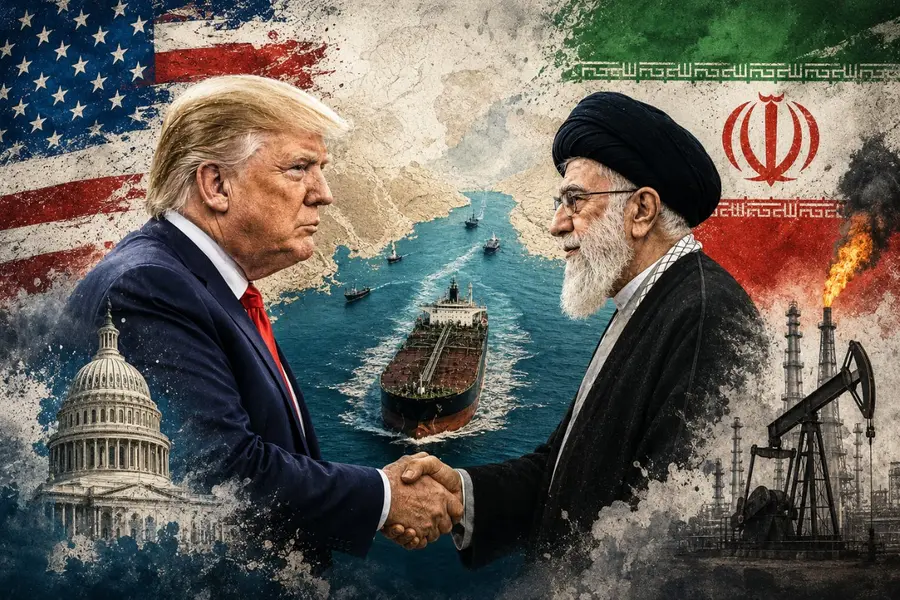
The United States of America and Iran have announced a framework peace agreement aimed at ending months of conflict that disrupted regional stability, affected global energy supplies, and heightened geopolitical tensions across West Asia. The proposed Memorandum of Understanding (MoU) is expected to be formalised in Switzerland and subsequently endorsed through a United Nations Security Council (UNSC) resolution.
Genesis of the Peace Framework
The crisis stemmed from escalating tensions between the United States, Israel, and Iran over regional security concerns and Iran’s nuclear programme. Military confrontations, economic pressures, and disruptions to maritime trade routes contributed to a prolonged period of instability, with significant implications for global energy markets.
Key Provisions of the Agreement
- Security and Military Measures
- A permanent ceasefire has been proposed across all theatres of conflict.
- The United States will progressively lift the naval blockade imposed on Iran.
- American military deployments in areas surrounding Iran are expected to be scaled down.
- Both sides have agreed to refrain from actions that could undermine the peace process during the implementation period.
- Strait of Hormuz
- Iran has agreed to restore unhindered commercial navigation through the Strait of Hormuz.
- The reopening of this critical maritime corridor is expected to support global energy security and international trade.
- Implementation arrangements will be managed under Iranian oversight.
- Economic Measures
- A portion of Iran’s frozen overseas assets will be released.
- Selected energy-related sanctions will be temporarily relaxed.
- Discussions have been initiated on an international economic recovery and reconstruction package for Iran.
- Economic concessions will be linked to phased implementation of the agreement.
4.Nuclear Commitments
- Iran has reiterated its commitment not to pursue nuclear weapons.
- Uranium enrichment activities will remain frozen during the interim period.
- Negotiations on a comprehensive nuclear settlement will be undertaken separately in a subsequent phase.
Factors Facilitating the Agreement
- Rising regional instability increased concerns over a wider conflict.
- Disruptions to energy supplies created economic pressures on multiple stakeholders.
- The growing costs of prolonged confrontation encouraged diplomatic engagement.
- Mediation efforts by Pakistan, Qatar, Saudi Arabia, and Turkey helped create conditions for dialogue and consensus-building.
Unresolved Nuclear Issue
The future of Iran’s nuclear programme remains the most sensitive and unresolved aspect of the peace process.
Despite military operations and economic sanctions, neither side achieved a decisive breakthrough. Consequently, both countries opted to prioritise conflict de-escalation and confidence-building measures while deferring negotiations on a long-term nuclear arrangement.
Implementation Phase
The agreement envisages a 60-day implementation and verification period aimed at building mutual confidence and ensuring compliance.
Key areas of assessment include:
- Observance of ceasefire commitments.
- Progress in sanctions relief and asset releases.
- Reduction in regional military tensions.
- Prevention of actions that could disrupt the negotiation process.
The success of this phase will significantly influence prospects for a comprehensive settlement.
Challenges Ahead
- Deep-seated mistrust between the United States and Iran may hinder implementation.
- The unresolved nuclear issue could complicate future negotiations.
- Actions by regional actors may affect the stability of the agreement.
- Delays in sanctions relief or military de-escalation could weaken confidence-building efforts.
- Sustaining diplomatic momentum over an extended period remains a key challenge.
Significance
Regional and Global Impact
- Reduces the possibility of a broader conflict in West Asia.
- Contributes to stability in a strategically important geopolitical region.
- Reduces uncertainty in global energy markets and maritime trade routes.
- Demonstrates the continued relevance of diplomacy and mediation in resolving complex international disputes.
- May create conditions for broader regional dialogue and confidence-building in West Asia.
Implications for India
- Enhances India’s energy security by reducing risks to crude oil imports from the Persian Gulf.
- Improves the safety of maritime trade and shipping routes crucial for India’s commerce.
- Supports India’s strategic interests linked to Chabahar Port and regional connectivity initiatives.
- Promotes stability in a region that is vital to India’s economic, energy, and geopolitical interests.
Conclusion
The US–Iran Peace Framework Agreement represents an important step towards reducing tensions in West Asia and restoring stability to global energy markets. While significant challenges remain, particularly regarding the nuclear issue, the agreement provides a foundation for sustained diplomatic engagement, economic recovery, and long-term regional stability. Its ultimate success will depend on effective implementation, continued dialogue, and the willingness of all stakeholders to uphold their commitments.