US Midterms 2026: Trump’s Setback and Implications for India
Context
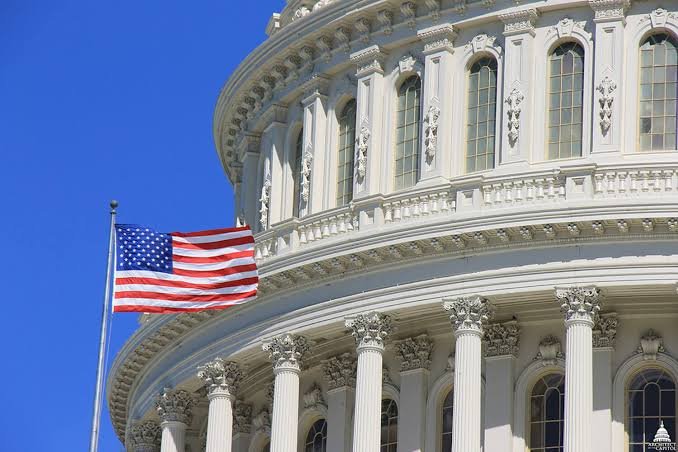
The November 2026 US midterm elections gave Democrats control of both the House of Representatives and Senate, dealing President Donald Trump’s Republican Party a major political setback. The result creates divided government from January 2027, strengthening congressional checks during the remaining two years of Trump’s presidency.
How US Midterm Elections Work
- House of Representatives: All 435 voting seats are contested every two years, making the chamber highly responsive to changing voter preferences.
- Senate: The 100-member Senate has six-year terms, with roughly one-third of seats contested every two years, providing greater institutional continuity.
- Election mechanism: For the House of Representatives, the country is divided into congressional districts, and voters in each district elect one representative. For the Senate, each state elects two Senators, but only the seat scheduled for that election cycle is contested; all voters in the state vote for that seat. In most cases, the candidate with the highest number of votes wins, though some states use runoffs or ranked-choice voting.
- Midterm character: Held halfway through a President’s four-year term, these elections determine control of Congress and often function as a political assessment of the incumbent administration.
- Congressional power: Both chambers must approve federal legislation, while the Senate also confirms senior executive and judicial appointments; losing Congress can therefore constrain a President’s domestic agenda.
What Drove the Republican Setback?
- Cost-of-living pressure: Nearly nine in ten voters considered living costs important; persistent price concerns weakened Republican support and made affordability the dominant electoral issue.
- Tariff backlash: Higher import tariffs added to cost pressures for consumers and firms, turning trade policy into a domestic political vulnerability.
- War fatigue: The continuing Iran conflict and associated energy-price concerns contributed to dissatisfaction among voters seeking less overseas military involvement.
- Broader voter shift: Democrats gained support among independents and regained ground among groups that had moved toward Trump in 2024, widening Republican losses beyond a few swing constituencies.
How Democratic Control Changes Washington
- Legislative constraint: Democrats can block major parts of Trump’s domestic legislative agenda, increasing the need for negotiation with Congress.
- Stronger oversight: Congressional committees gain greater ability to conduct hearings, investigations and scrutiny of executive actions.
- Appointment control: A Democratic Senate can delay or reject presidential nominees, increasing checks on executive and judicial appointments.
- Institutional limits: Trump retains veto and substantial executive powers, while Senate procedures can restrict Democratic legislation; divided government therefore increases the possibility of policy gridlock.
Implications for India
- Trade and tariffs: Democratic control may increase scrutiny of Trump’s tariff policies, but protectionism has bipartisan support; therefore, an easier India-US trade environment cannot be assumed.
- Immigration and mobility: Congress can influence H-1B visas, green-card reform and immigration legislation, but executive agencies retain major implementation powers, keeping outcomes uncertain for Indian professionals and students.
- Strategic continuity: Congress can shape defence funding, sanctions and oversight, while the President retains substantial foreign-policy authority; major India-US strategic cooperation is therefore likely to remain institutionally shared.
- Diplomatic engagement: A divided Washington requires India to engage simultaneously with the White House, Congress and key committees on trade, technology, defence and diaspora concerns.
FAQs
Q1. What are US midterm elections?
Congressional elections held halfway through a President’s four-year term.
Q2. What was the main result of the 2026 midterms?
Democrats gained control of both the House and Senate.
Q3. How are House and Senate members elected?
House members are elected from congressional districts, while Senators are elected by voters across an entire state.
Q4. Does Democratic control remove Trump’s executive powers?
No. Congress gains stronger legislative and oversight powers, but the President retains substantial executive authority.
Q5. Why do the results matter for India?
They may affect trade, visas, technology cooperation, defence policy and congressional oversight of bilateral relations.