Context
- UNESCO presented the 2026 International Literacy Prizes during the global celebration of International Literacy Day in Chiapas, Mexico.
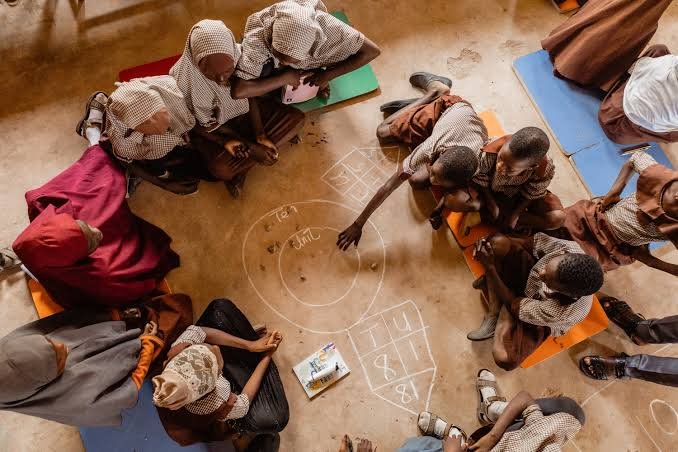
- Six literacy initiatives were recognised for their contribution to literacy, lifelong learning and inclusion.
- The 2026 theme was “Literacy for people, the planet and prosperity.”
What Are UNESCO International Literacy Prizes?
- UNESCO has awarded these prizes since 1967 to recognise effective and innovative literacy programmes.
- Individuals, NGOs and government bodies working in literacy promotion can be considered when their initiatives demonstrate impact and align with the year’s theme.
- The awards reinforce literacy as a foundation for learning, equity and sustainable development.
Prize Categories
UNESCO King Sejong Literacy Prize
- Supported by the Republic of Korea since 1989.
- Focuses especially on mother-tongue and multilingual literacy.
- Three awards are given annually.
- Each laureate receives US$30,000, a medal and a diploma.
UNESCO Confucius Prize for Literacy
- Supported by the People’s Republic of China since 2005.
- Emphasises functional literacy, especially among rural populations and out-of-school youth.
- Gives importance to the use of technology in literacy programmes.
- Three awards are given annually, with each laureate receiving US$30,000, a medal and a diploma.
What Do the Prizes Promote?
- Innovative literacy models: They identify approaches that can be replicated in other regions.
- Multilingual inclusion: Mother-tongue literacy helps reduce exclusion among linguistically diverse populations.
- Functional capability: Literacy is linked with livelihoods, health awareness, financial decisions and daily life.
- Digital access: Technology-supported programmes can expand learning opportunities for remote and underserved populations.
Thus, the awards promote a shift from:
Basic literacy → Functional literacy → Lifelong learning
Global Literacy Gap
Despite major progress, large numbers of youth and adults still lack basic literacy skills.
The challenge is especially serious because poor literacy can restrict:
- access to education;
- employment opportunities;
- health information;
- digital services;
- civic participation.
Therefore, literacy remains a key determinant of human development and social mobility.
Relevance for India
- Linguistic diversity: India’s multilingual society makes mother-tongue and multilingual
- literacy highly relevant.
- Adult literacy: Literacy policy must include adults who missed formal schooling, not only school-age children.
- Digital inclusion: As welfare and public services increasingly move online, literacy must include the ability to access digital platforms.
- Livelihood linkage: Literacy programmes should be connected with financial awareness, vocational skills and employment opportunities.
Thus, for India, literacy policy should move beyond enrolment towards usable capability and social participation.
Core Policy Challenge
The central challenge is not merely ensuring that people can read and write, but ensuring that they can use literacy meaningfully.
A modern literacy framework should enable people to:
Read → Understand → Apply → Participate
This requires integrating foundational literacy with digital, financial and livelihood skills.
FAQs
Q1. Since when have UNESCO International Literacy Prizes been awarded?
Since 1967.
Q2. How many prizes are awarded annually?
Six — three King Sejong Literacy Prizes and three Confucius Prizes for Literacy.
Q3. What does the King Sejong Literacy Prize emphasise?
It focuses on mother-tongue and multilingual literacy.
Q4. What is the focus of the Confucius Prize for Literacy?
It emphasises functional literacy, rural populations, out-of-school youth and technology-enabled learning.
Q5. What was the theme of International Literacy Day 2026?
“Literacy for people, the planet and prosperity.”