Context
A rare sighting of Phayre’s leaf monkey, popularly known as the Spectacle Monkey, was recently captured on camera at Trishna Wildlife Sanctuary in South Tripura, Tripura.
About Trishna Wildlife Sanctuary
- Location: Tripura, northeastern India.
- Establishment: 1988.
- Vegetation: Three major types of vegetation are found here:
- Tropical semi-evergreen forests.
- Moist mixed deciduous forests.
- Savannah woodland.
- Floral Diversity: The sanctuary has around 230 tree species, 400 herbs, 110 shrubs and 150 climbers.
- Medicinal Plants: Kurcha, Tulsi, Vasak, Sarpagandha, Rudraksha and Bel.
- Bamboo: Oxytenanthera nigrociliata, locally known as Kaillai, is common here.
Fauna
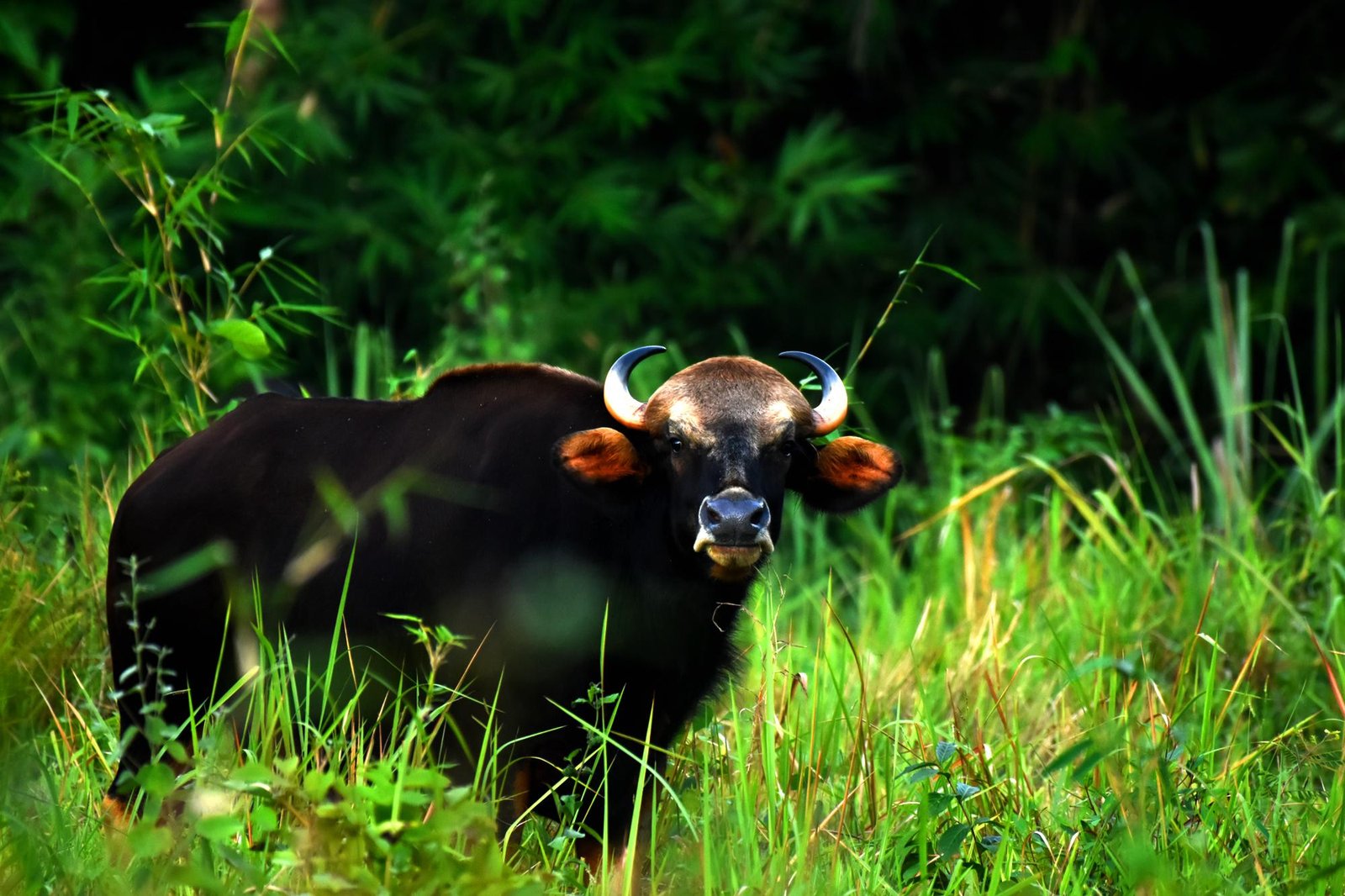
- Indian Gaur: Also known as the Indian bison.
- Hoolock Gibbon: The only ape native to the Indian subcontinent.
- Primates: Capped langur, golden langur and Phayre’s leaf monkey.
Phayre’s Leaf Monkey (Spectacle Monkey)
- Distinctive Feature: Pale markings around its eyes resemble spectacles, giving it the popular name Spectacle Monkey.
- Behaviour: Primarily arboreal, spending most of its time in trees.
- Diet: Mainly leaves and other plant matter.
- Conservation Status: Endangered on the IUCN Red List.
- Major Threats: Habitat destruction, forest degradation, fragmentation and other human-induced pressures.
Frequently Asked Questions (FAQs)
Q1. Where is Trishna Wildlife Sanctuary located, and when was it established?
It is located in South Tripura, Tripura, and was established in 1988.
Q2. What are the major vegetation types found in Trishna Wildlife Sanctuary?
The sanctuary has tropical semi-evergreen forests, moist mixed deciduous forests and savannah woodland.
Q3. What are the important fauna species found in the sanctuary?
Important species include the Indian gaur, hoolock gibbon, capped langur, golden langur and Phayre’s leaf monkey.
Q4. What are the distinctive features and conservation status of Phayre’s leaf monkey?
It has pale markings around its eyes resembling spectacles, is primarily arboreal and feeds mainly on leaves and other plant matter. It is classified as Endangered on the IUCN Red List.