Context
The Madhya Pradesh government has begun fresh excavation at Vaishya Tekri in Ujjain to investigate Buddhist remains associated with the Mauryan period.
Vaishya Tekri and Archaeological Evidence
- The main Vaishya Tekri Stupa is about 350 feet wide at the base and 100 feet high, making it considerably larger than the 54-foot Sanchi Stupa.
- Excavations in 1938–39 by the Archaeology Department of the erstwhile Gwalior State unearthed large bricks and punch-marked coins, leading to its attribution to the Mauryan period.
- Historians caution that these findings do not conclusively establish a direct Ashokan connection, as the earlier excavation records and interpretations require reassessment.
- The nearby Kumhar Tekri is also important for understanding the archaeological landscape of ancient Ujjain.
Ashoka and Ujjain
- Ujjain (ancient Ujjayini) was the capital of Avanti and an important commercial centre connecting Pataliputra with western coastal ports.
- Ashoka is believed to have served as viceroy of Avanti, with Ujjain as his administrative base before becoming emperor.
- Some Ashokan edicts refer to a kumara (prince) stationed at Ujjain, providing evidence of the city’s association with the Mauryan administration.
- Tradition associates Ashoka with Devi of Vidisha and identifies Mahinda and Sanghamitta as their children.
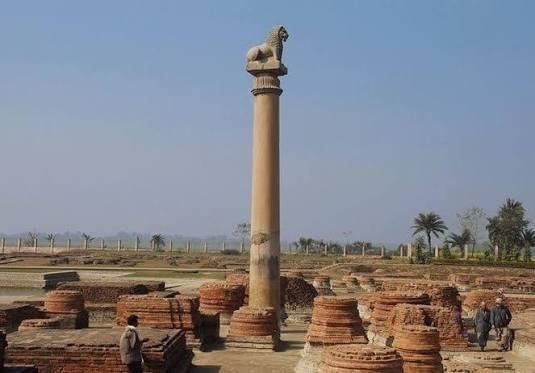
- However, no Ashokan pillar or inscription has been found at Ujjain, limiting direct archaeological evidence of his presence.
Buddhist and Historical Associations
- Local tradition connects Vaishya Tekri with Devi, while Kumhar Tekri has a different historical association.
- The Chinese traveller Xuanzang, who visited Ujjain in the 7th century CE, described a site associated with an alleged “hellish prison” linked to Ashoka.
- Excavations at Kumhar Tekri have revealed a 3rd-century BCE burial-cum-cremation site, providing material evidence from the period associated with Ashoka.
Conclusion
The Vaishya Tekri excavation provides an opportunity to reassess Ujjain’s Mauryan past through new archaeological evidence. A wider investigation can help distinguish established historical facts from later traditions and strengthen the understanding of ancient Malwa’s Buddhist heritage.
FAQs
1. Why is Vaishya Tekri significant?
It contains a large stupa previously attributed to the Mauryan period. Fresh excavation may help establish its chronology and historical context more firmly.
2. What was Ashoka’s association with Ujjain?
Ashoka is believed to have served as viceroy of Avanti, with Ujjain as his administrative centre before becoming emperor.
3. What evidence supports Ashoka’s connection with Ujjain?
Some Ashokan edicts refer to a kumara stationed at Ujjain. However, no Ashokan pillar or inscription has been found in the city.
4. Why was Ujjain important in ancient India?
Ujjain was the capital of Avanti and an important trade centre linking Pataliputra with western coastal ports.
5. What is the significance of Kumhar Tekri?
Xuanzang associated the site with an alleged prison linked to Ashoka. Excavations have also revealed a 3rd-century BCE burial-cum-cremation site.
6. Why is the new excavation important?
It can provide fresh evidence about Mauryan-era Ujjain, early Buddhism and the wider archaeological landscape, while helping reassess earlier interpretations.