Context
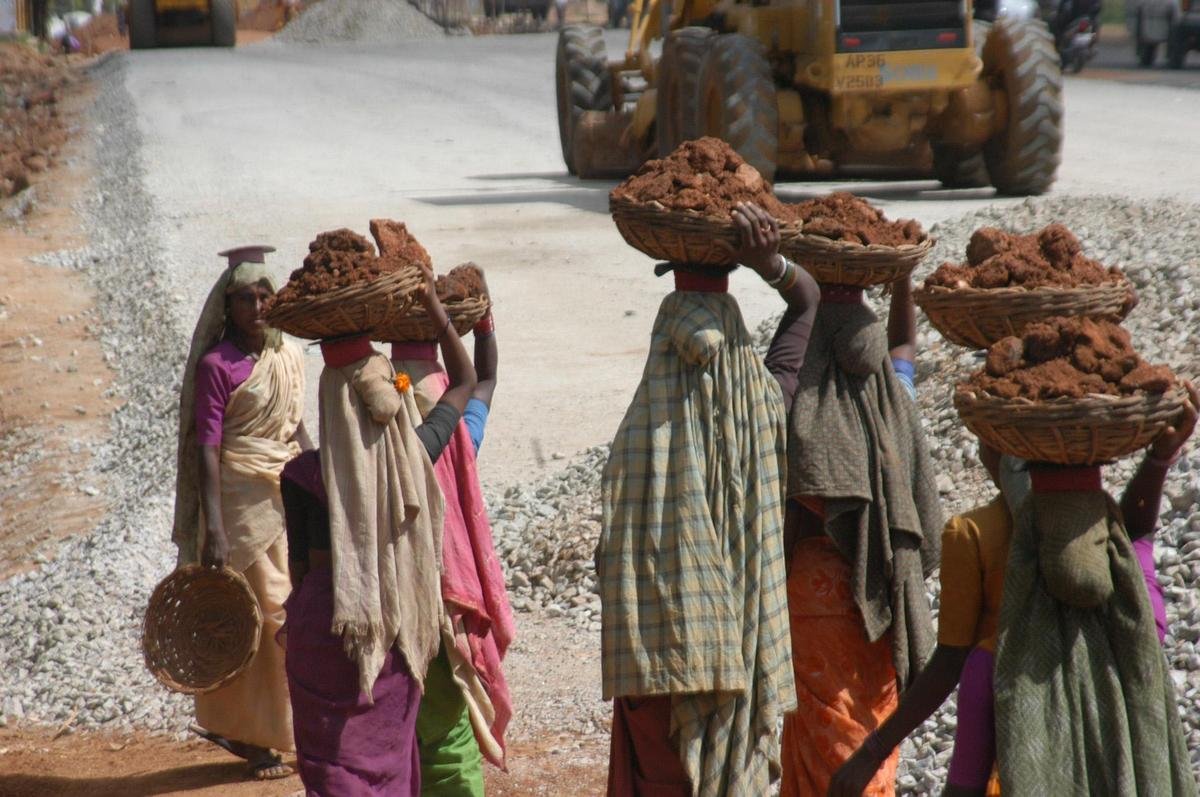
Recent concerns over wage inequality, workplace safety and insecure employment have renewed debate over the classification of millions of workers as “unskilled”. The debate raises a larger question: whether conventional labour classifications adequately recognise practical knowledge, workplace experience and occupational competence.
Misclassification of Practical Skills
- “Unskilled” is an occupational classification, not evidence that workers possess no competence or judgment.
- Many manual occupations depend on tacit knowledge, workplace learning and accumulated experience that remain outside formal certification.
- Agricultural, construction and factory work often require situational judgment, tool handling and problem-solving, despite being placed in lower skill categories.
- This creates a gap between actual competence and formally recognised competence.
Skill Hierarchy and Labour Vulnerability
- Skill categories influence minimum-wage determination, while formal recognition of skills can affect occupational mobility and access to better employment opportunities.
- Lower classification can contribute to a cycle of low wages → limited training → weak certification → restricted mobility.
- Informality, contractualisation and outsourcing can further weaken access to social security, workplace safety and effective grievance mechanisms.
- Migrant workers, women and historically disadvantaged groups may face additional vulnerabilities because of weaker bargaining power and insecure employment.
- Labour disadvantage therefore emerges from the interaction of skill recognition, informality and structural inequality.
From Credential-Based to Competency-Based Recognition
- Labour policy should increasingly recognise demonstrated competence, rather than relying only on formal qualifications.
- Recognition of Prior Learning (RPL) can certify skills acquired through work experience and informal learning.
- The National Skills Qualification Framework (NSQF) can improve mobility by linking qualifications with measurable levels of knowledge, skills and responsibility.
- Wage determination should better reflect job complexity, experience, responsibility and occupational risk.
- Stronger safety enforcement, social security and grievance redressal are essential for informal and contract workers.
- The objective should be to convert practical experience into recognised skills, better mobility and dignified employment.
FAQs
Q1. What is meant by ‘unskilled labour’?
It generally refers to work classified as requiring relatively lower formally recognised skill levels.
Q2. Why can the term ‘unskilled’ be misleading?
It may overlook practical knowledge and competence acquired through workplace experience.
Q3. What is Recognition of Prior Learning?
RPL assesses and certifies skills acquired through prior work experience or informal learning.
Q4. How can skill classification affect workers?
It can influence wage determination, occupational mobility, training opportunities and employment conditions.
Q5. What reforms can improve the situation?
India needs stronger competency recognition, fair wages, occupational safety, social security and effective labour enforcement.