Context
Australia and the Solomon Islands recently signed a bilateral security treaty, reaffirming Australia as the island nation’s primary security partner amid growing geopolitical competition in the Pacific region.
About Solomon Islands
- Location: An island nation in the southwestern Pacific Ocean, forming part of Melanesia in Oceania.
- Relative Position: Lies southeast of Papua New Guinea, northwest of Vanuatu, and northeast of Australia.
- Capital: Honiara, situated on Guadalcanal, the country’s largest island.
- Independence: Gained independence on 7 July 1978 from British rule.
- Polity & Currency: Parliamentary democracy and constitutional monarchy with a single-house (unicameral) legislature; official currency is the Solomon Islands Dollar.
- Demographics: Majority Melanesian population, alongside Polynesian and Micronesian minorities.
Geographical Features
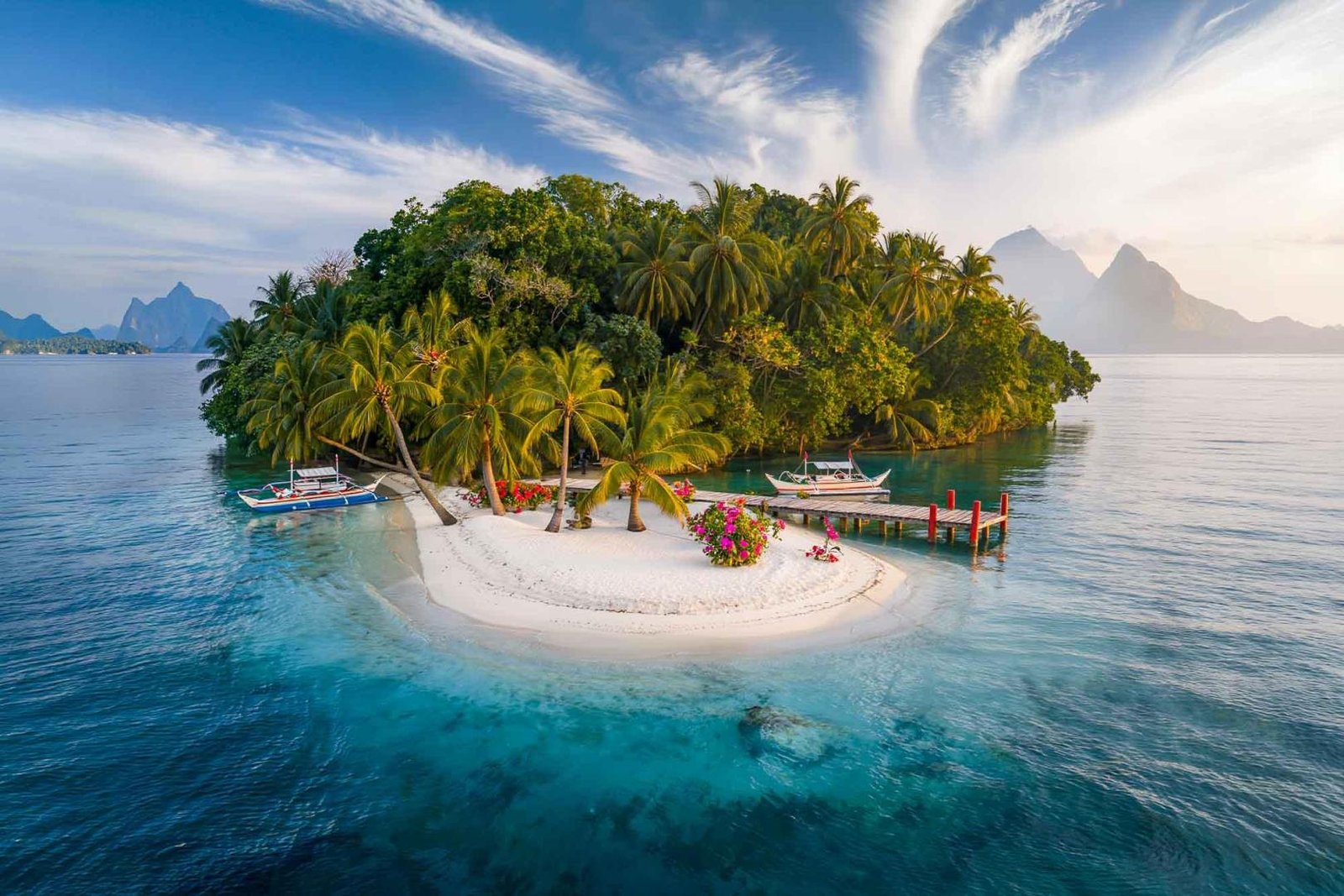
- Island Make-Up: Comprises nearly 1,000 islands, including six major islands, volcanic islands, and low-lying coral atolls.
- Six Major Islands: Guadalcanal, Malaita, Makira, Choiseul, Santa Isabel, and New Georgia.
- Terrain & Highest Point: Marked by rugged mountains, thick tropical rainforests, and narrow coastal plains, peaking at Mount Popomanaseu (2,335 m) on Guadalcanal.
- Climate: Tropical oceanic (maritime) climate with high humidity, heavy rainfall, and steady year-round temperatures.
- Tectonic & Disaster Profile: Sits along the Pacific Ring of Fire near the Australian–Pacific tectonic plate boundary, making it prone to earthquakes, volcanic eruptions, and tsunamis.
- Surrounding Seas & Biodiversity: Bordered by the Solomon Sea, Coral Sea, and Pacific Ocean, and forms part of the East Melanesian Islands Biodiversity Hotspot.
Strategic & Environmental Significance
- Key Sea Lanes: Lies close to vital southwestern Pacific maritime shipping routes.
- Geopolitical Focus: Signed a bilateral security pact with China in 2022, sparking strategic concerns among Australia and regional partners.
- Regional Grouping: Active member of the PIF (Pacific Islands Forum).
- Climate Risks: Highly vulnerable to rising sea levels, coastal erosion, and tropical cyclones, especially across low-lying coastal settlements and atolls.
FAQs
Q1. Solomon Islands belong to which geographical region of Oceania?
Ans. Melanesia, which also includes Papua New Guinea, Fiji, Vanuatu and New Caledonia.
Q2. What is the capital of the Solomon Islands?
Ans. Honiara, located on Guadalcanal Island.
Q3. Which is the highest mountain in the Solomon Islands?
Ans. Mount Popomanaseu (2,335 metres), situated on Guadalcanal Island.